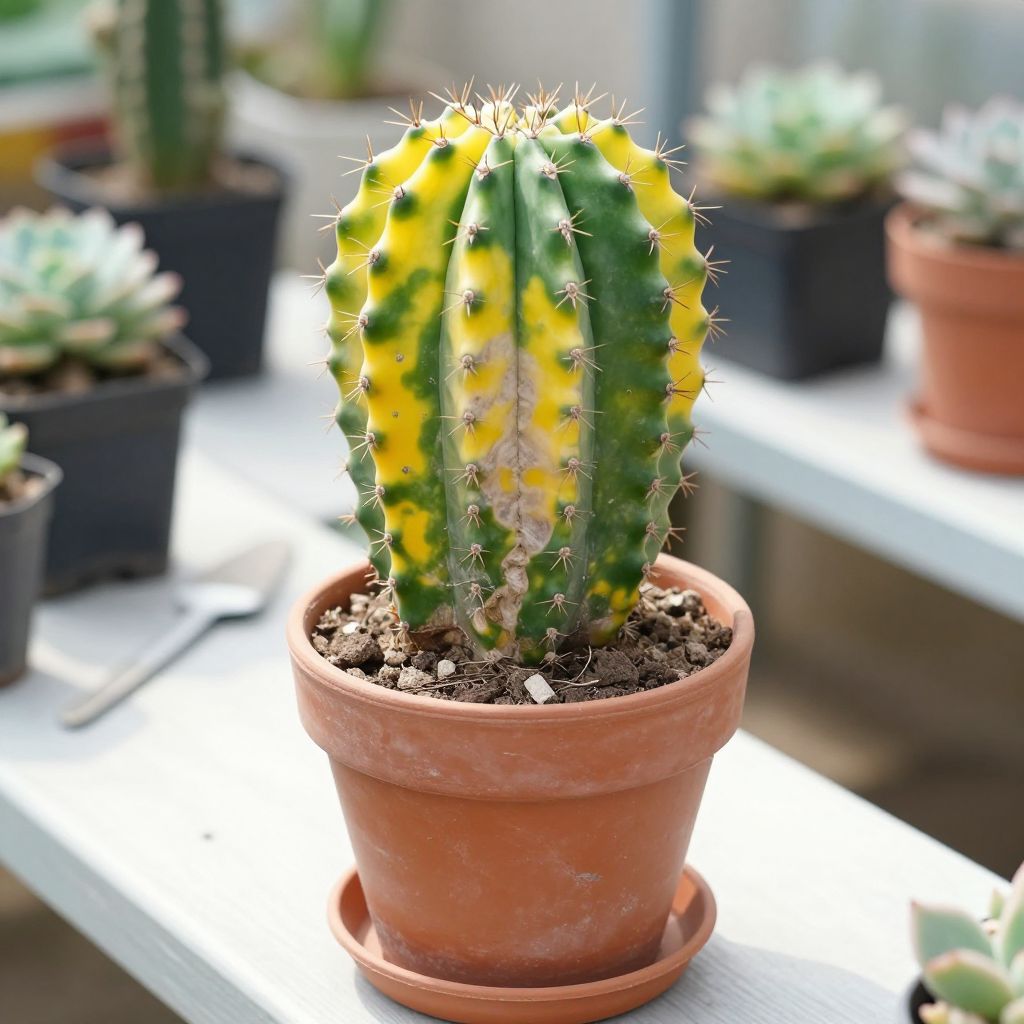
Why is my cactus turning yellow? Yellowing usually means your cactus is stressed, and the most common causes are too much water, poor drainage, insufficient light, or root problems. The good news is that most cases can be corrected if you catch them early and adjust the growing conditions before rot or sun damage spreads.
The key is to look at where the yellowing starts, how soft or firm the plant feels, and whether the cactus is indoors or outdoors. A cactus that is pale from low light needs a very different fix from one that is yellowing because its roots are staying wet.
Why is my cactus turning yellow?
Most yellow cacti are reacting to stress from excess moisture, low light, temperature shock, nutrient issues, pests, or natural aging of older tissue. Start by checking the soil and roots first, because overwatering and poor drainage are the most common and most serious causes. If the cactus is firm and only lightly faded, light or nutrition may be involved instead.
The most common causes of yellow cactus growth
1. Overwatering and root rot
This is the number one reason a cactus turns yellow, especially indoors. Cacti store water in their stems, so soil that stays wet can suffocate roots and lead to rot.
Signs include yellowing that starts near the base, a soft or mushy stem, a sour smell from the potting mix, or a plant that looks swollen and unhealthy rather than plump and firm.
What to do:
- Stop watering immediately.
- Check that the pot has a drainage hole.
- Slide the cactus out and inspect the roots.
- Trim away black, mushy, or foul-smelling roots with clean scissors.
- Let the plant dry for a day or two before repotting into fresh, fast-draining cactus mix.
If the rot is advanced and the stem is collapsing, you may need to take healthy cuttings and propagate what you can salvage.
2. Poor drainage or the wrong soil mix
Even if you do not water often, a dense potting mix can hold too much moisture around the roots. Regular houseplant soil is usually too heavy for cacti.
Use a gritty, fast-draining mix made for cacti and succulents, or amend a standard mix with coarse sand, pumice, or perlite if needed. The goal is soil that dries out relatively quickly after watering.
Also check the container. A decorative pot without drainage can trap water at the bottom and cause yellowing even when the topsoil looks dry.
3. Too little light
Cacti need bright light, and many indoor cacti turn yellow or pale when they are not getting enough sun. Low light often causes slow growth, weak stems, and a washed-out color.
Indoor cacti usually do best in the brightest window you have, often south- or west-facing in the Northern Hemisphere, though harsh afternoon sun through glass can still scorch some species if they are moved too quickly.
Fix it gradually: move the cactus to brighter light over 7 to 14 days so it can adjust. Sudden exposure to intense sun can cause sunburn, which also shows up as yellow, tan, or bleached patches.
4. Sunburn from sudden intense light
A cactus can turn yellow after being moved from shade to strong direct sun too quickly. This is common after bringing a plant outdoors for summer or shifting it to a brighter window.
Sunburn usually appears as bleached yellow, tan, or white patches on the side facing the light. The damaged area often stays permanently marked, though the plant may recover if the damage is not severe.
To prevent this, increase sun exposure slowly. Start with morning sun or filtered light, then build up to stronger exposure over time.
5. Temperature stress or cold damage
Cacti dislike sudden temperature swings, cold drafts, and frost. Cold injury can cause yellowing, translucent tissue, or later blackened areas.
Indoor cacti should be kept away from freezing windows, air-conditioning blasts, and heat vents. Outdoor cacti need protection during cold snaps, especially if they are in containers, because pots chill faster than in-ground plantings.
If a cactus has been cold-damaged, move it to a stable, warmer location and avoid watering heavily until you see whether the tissue firms back up.
6. Nutrient deficiency or exhausted potting mix
A cactus that has been in the same pot for a long time may start to look dull or yellow if the potting mix is depleted. This is more likely in container-grown plants than in those planted in the ground.
Use a cactus fertilizer sparingly during active growth only, and follow the product label. Overfertilizing can do more harm than good, especially if the plant is already stressed or the soil is wet.
If the cactus is healthy otherwise, repotting into fresh mix may help more than feeding it heavily.
7. Pests that weaken the plant
Mealybugs, scale insects, and spider mites can drain a cactus and make it look yellow, dusty, or tired. They often hide in creases, near the base, or in the crown.
Look for cottony white clusters, sticky residue, tiny moving specks, or raised brown bumps on the stems. A magnifying glass can help you inspect the plant closely.
What to do:
- Isolate the cactus from other plants.
- Remove visible pests with a cotton swab dipped in rubbing alcohol.
- Rinse the plant gently if appropriate for the species.
- Repeat treatment as needed, because pests often return from hidden eggs or nymphs.
8. Natural aging or normal color change
Sometimes older lower sections of a cactus become yellowish, corky, or brownish as they mature. This is not always a problem, especially if the plant is otherwise firm, growing, and producing healthy new tissue.
Older tissue that is dry, hard, and stable may simply be aging. In contrast, soft yellowing, spreading discoloration, or rapid decline usually points to a care issue.
How to diagnose the problem step by step
When you are trying to figure out why is my cactus turning yellow, use a simple check in this order. This helps you avoid guessing and treating the wrong issue.
- Feel the stem. Firm and plump usually suggests light or nutrition issues; soft or mushy suggests rot.
- Check the soil. If it is wet several days after watering, drainage is likely a problem.
- Look at the pattern. Base yellowing often points to overwatering; top-side bleaching often points to sunburn.
- Inspect the roots if needed. Healthy roots are usually pale and firm, not black and slimy.
- Look for pests. Check joints, ribs, and the soil line carefully.
- Review recent changes. New window, repotting, cold weather, or a watering change can explain the stress.
How to fix a yellow cactus
If the cactus is overwatered
- Stop watering right away.
- Remove the plant from wet soil if rot is suspected.
- Trim damaged roots with sterilized tools.
- Repot into dry, well-draining cactus mix.
- Wait before watering again so the roots can recover.
Do not assume a yellow cactus needs more water. In many cases, that makes the problem worse.
If the cactus needs more light
- Move it closer to a bright window.
- Rotate the pot every week or two so all sides get even light.
- Acclimate it slowly if moving outdoors.
- Watch for scorching during the first few weeks.
If pests are present
- Isolate the plant immediately.
- Remove visible insects by hand where possible.
- Clean the stem crevices carefully.
- Repeat inspections weekly until the problem is gone.
If the plant is rootbound or the mix is old
Repotting can help if the cactus has outgrown its container or the mix has broken down and stays soggy. Choose a pot only slightly larger than the root ball, because oversized pots hold excess moisture.
Use gloves or folded newspaper to handle spiny plants safely, and avoid watering immediately after repotting unless the roots were severely disturbed or damaged.
Indoor vs. outdoor cactus care
Indoor cacti
Indoor cacti yellow most often from low light and too much water. Because indoor air dries slowly and pots receive less sun, the soil stays wet longer than many gardeners expect.
Place indoor cacti in the brightest spot available, use a pot with drainage, and water only when the mix has dried well. The exact timing depends on season, pot size, light, temperature, and the cactus species.
Outdoor cacti
Outdoor cacti usually have better light but can yellow from cold snaps, heavy rain, poor soil drainage, or sudden sun exposure after being moved outside.
If your climate is wet, raised beds, rock gardens, and very free-draining soil are especially important. In rainy regions, even drought-tolerant cacti can suffer if the planting site stays damp.
How to prevent yellowing in the future
- Use a pot with a drainage hole.
- Plant in a gritty cactus mix that drains quickly.
- Water deeply, then let the mix dry appropriately before watering again.
- Give the plant bright light, but acclimate it gradually to stronger sun.
- Keep it away from cold drafts and frost.
- Inspect regularly for pests and early rot.
- Repot when the mix breaks down or the plant becomes crowded.
A useful rule: it is usually safer to underwater a cactus slightly than to keep it consistently damp. Most cactus losses happen from too much moisture, not too little.
When yellowing is a warning sign of serious trouble
Seek urgent action if the yellowing is spreading quickly, the cactus feels soft, the base is collapsing, or the plant smells rotten. Those signs often mean root rot or stem rot is already advanced.
In that case, remove the plant from the pot, inspect the roots and lower stem, and salvage any healthy sections as soon as possible. Clean tools and fresh potting mix help prevent the problem from returning.
Conclusion
If you are asking why is my cactus turning yellow, start with the soil, roots, and light level. Most yellow cacti can recover when you correct watering, improve drainage, and match the plant to the right amount of sun. Check your cactus today, make one fix at a time, and watch for firmer, healthier new growth.
For more practical plant care reading, you may also want to explore how to tell if a succulent is overwatered and the best cactus soil mix for healthy roots.