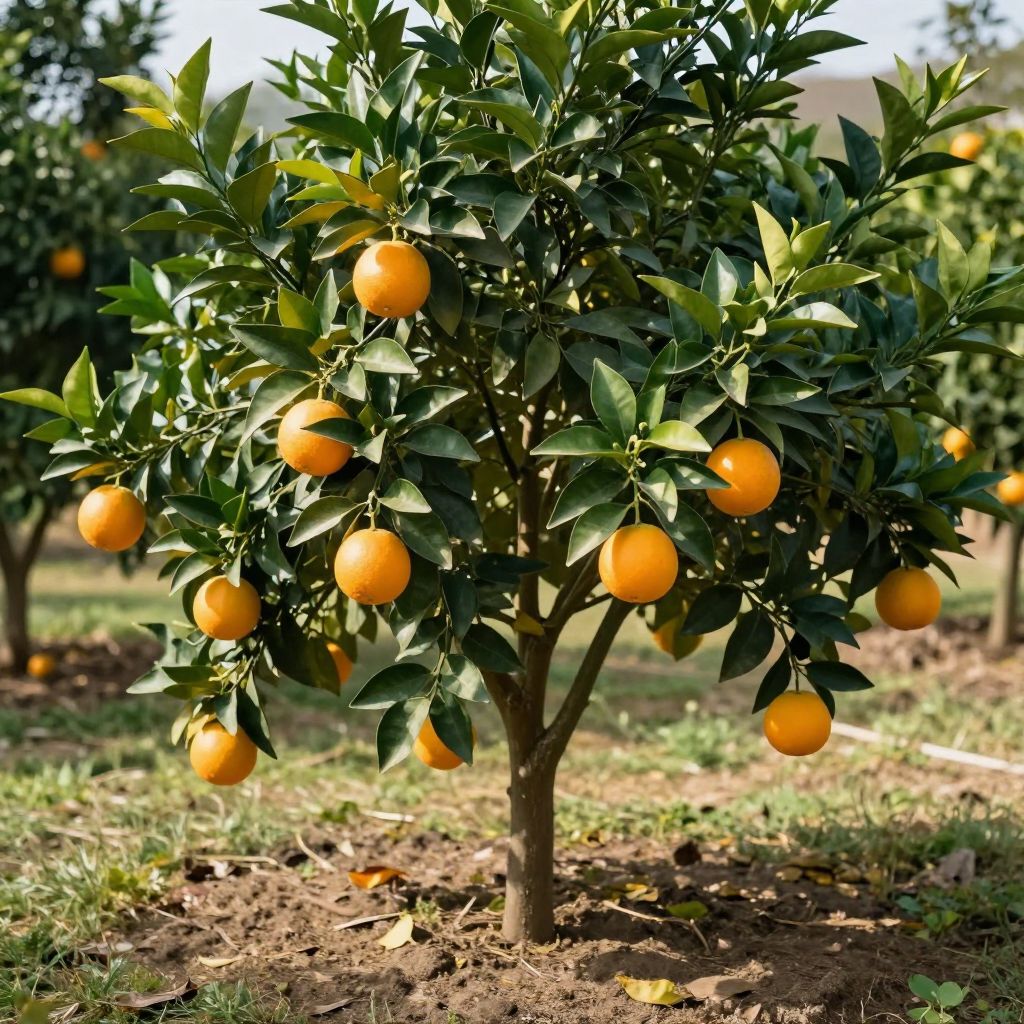
Do oranges grow on trees? Yes—they grow on evergreen citrus trees, most commonly Citrus sinensis for sweet oranges. If you give the tree enough sun, warmth, well-drained soil, and steady care, it can flower, set fruit, and produce oranges for many years.
Whether you want to grow one in a container, a greenhouse, or the ground in a mild climate, success comes down to matching the tree to your conditions. The tips below will help you grow healthier citrus and avoid the most common mistakes.
Do oranges grow on trees?
Oranges grow on citrus trees, not vines or shrubs. Sweet oranges develop on evergreen trees that need full sun, warmth, and excellent drainage. In the right climate, they can be productive landscape trees; in cooler regions, they are often grown in pots and moved indoors or under cover in winter.
What kind of orange tree are you growing?
Before you plant, identify whether you have a sweet orange, a navel orange, or another citrus type. Most home gardeners grow sweet orange trees, which do best outdoors only where winters are mild and frost is rare.
Outdoor trees vs. container trees
- Outdoor planting: Best for frost-free or very mild climates with long, sunny growing seasons.
- Container growing: Best if you have cold winters, limited space, or want to move the tree for protection.
- Indoor overwintering: Useful in colder regions, but the tree still needs strong light and good air movement.
If you are unsure which citrus you have, check the plant tag, nursery label, or the fruit type. That helps you judge whether the tree is suited to your local climate and how much cold protection it may need.
Best growing conditions for orange trees
Orange trees grow best in full sun, warm temperatures, and soil that drains quickly. They dislike soggy roots, heavy clay, and prolonged cold. If you can provide those basics, the rest of the care is much easier.
Sunlight
Give orange trees at least 6 to 8 hours of direct sun daily. More sun usually means better flowering and fruit quality. In very hot climates, a little afternoon protection can help young trees avoid stress, but full shade will reduce growth and fruiting.
Soil and drainage
Orange trees prefer slightly acidic to neutral soil that drains well. If water sits around the roots after rain or irrigation, the tree may develop root problems. Raised beds, berms, or planting on a gentle slope can help in heavier soils.
For containers, use a high-quality citrus or well-draining potting mix, not dense garden soil. A pot with drainage holes is essential.
Climate and cold protection
Orange trees are sensitive to frost, especially when young. Mature trees may tolerate brief cool spells better than tender new growth, but prolonged freezing weather can damage leaves, branches, and fruit. If your area has occasional cold snaps, plan to protect the tree with frost cloth, wind shelter, or container movement indoors.
How to plant an orange tree
Planting correctly gives the tree a strong start. The main goal is to keep the root flare near the soil surface and avoid burying the trunk too deeply.
- Choose a sunny site with well-drained soil.
- Dig a hole only as deep as the root ball and about 2 to 3 times as wide.
- Remove the tree from the pot and loosen circling roots gently.
- Set the tree so the top of the root ball sits level with or slightly above the surrounding soil.
- Backfill with the native soil if it drains well; improve only if your soil is very poor or compacted.
- Water thoroughly to settle the soil.
- Add a light mulch ring, keeping mulch several inches away from the trunk.
Avoid planting too deep. Burying the trunk can lead to rot and poor growth. Also avoid creating a “bathtub” hole that holds water around the roots.
Watering orange trees the right way
Orange trees need consistent moisture, especially while they are establishing and during flowering and fruit development. At the same time, they do not like wet feet. The best approach is deep watering when the upper soil begins to dry, rather than frequent shallow watering.
How to tell when to water
- Check the soil 2 to 4 inches below the surface.
- If it feels dry at that depth, water deeply.
- If it still feels moist, wait and check again later.
Young trees usually need more frequent watering than established trees. Container-grown oranges dry out faster than in-ground trees, especially in hot or windy weather. Adjust your routine to the season, pot size, and local climate.
Common watering mistakes
- Watering on a fixed schedule without checking the soil
- Letting pots sit in saucers of water
- Allowing the soil to swing from bone dry to saturated
- Using shallow sprinkling instead of deep soaking
Feeding and mulch for healthy growth
Orange trees are moderate feeders, but they do best with regular, balanced nutrition during active growth. A citrus-specific fertilizer is often helpful because citrus has particular needs for nitrogen and micronutrients such as iron and magnesium.
Rather than guessing, follow the product label and adjust for tree size and age. Young trees need lighter feeding than mature fruiting trees. In cooler months or during dormancy, reduce feeding if growth slows.
Using compost and mulch
A thin layer of compost can improve soil structure, especially in poor ground, but do not pile it against the trunk. Mulch helps conserve moisture and moderate soil temperature.
- Use 2 to 4 inches of organic mulch such as wood chips or shredded bark.
- Keep mulch a few inches away from the trunk.
- Refresh mulch as it breaks down, especially after heavy rain or wind.
Pruning orange trees
Orange trees do not need heavy pruning, but light shaping helps maintain airflow, remove damaged wood, and keep the canopy manageable. The best time to prune is usually after harvest or during a mild period when the tree is actively growing but not stressed.
What to remove
- Dead, broken, or diseased branches
- Crossing branches that rub together
- Suckers from below the graft union
- Dense interior growth that blocks light and airflow
Do not overprune. Removing too much foliage can reduce fruiting and sunburn the branches. A light, thoughtful pruning is usually better than a hard cutback.
Pollination, flowering, and fruit set
Orange trees are generally self-fertile, so a single tree can produce fruit. Bees and other pollinators may improve fruit set, especially outdoors, but you usually do not need a second tree for oranges to form.
Flowering can be affected by temperature, water stress, and overall plant health. If a tree flowers but drops many blossoms or tiny fruit, that can be normal, especially on young trees. Citrus often sheds some fruit naturally when it is setting and sizing up the crop.
Why fruit may not form
- Not enough sun
- Cold weather during bloom
- Overwatering or poor drainage
- Too much nitrogen and not enough balance
- Young tree still establishing roots
Common pests and diseases
Orange trees can be affected by pests and diseases, especially when stressed. Catching problems early makes them much easier to manage.
Common pests
- Aphids on tender new growth
- Scale insects on stems and leaves
- Spider mites in hot, dry conditions
- Whiteflies on the undersides of leaves
- Citrus leafminer on young flush growth
For small infestations, a strong spray of water, pruning out heavily infested growth, and improving plant vigor may help. Keep an eye on the undersides of leaves and new shoots, where pests often hide.
Common diseases and problems
- Root rot from poor drainage or overwatering
- Leaf yellowing from nutrient issues, cold stress, or water problems
- Fruit drop from stress, drought, or temperature swings
- Sunburn on exposed limbs and fruit in very hot climates
If leaves yellow while veins stay green, the tree may be short on certain nutrients or struggling with root uptake. If the soil is wet, fix drainage first before adding more fertilizer.
Growing oranges in containers
Container growing is a practical option if your winter climate is too cold for citrus outdoors. The key is to give the tree enough light, a roomy pot, and careful watering.
Container care basics
- Choose a pot with drainage holes.
- Use a free-draining citrus or potting mix.
- Repot when roots circle tightly or growth slows.
- Move the tree gradually when changing light conditions.
Place container oranges in the sunniest spot you have, such as a south-facing patio, greenhouse, or bright indoor window. Indoors, low light is one of the biggest reasons citrus decline, so supplemental grow lights may help in darker homes.
Harvesting oranges
Oranges do not ripen much after picking, so harvest when the fruit looks fully colored, feels heavy for its size, and tastes sweet enough for your variety. Color alone is not always a perfect guide in warm climates, where fruit can be ripe before it turns fully orange.
Use clean pruners or twist the fruit gently to avoid tearing the stem. Handle fruit carefully to prevent bruising, especially if you plan to store it for a short time.
Troubleshooting: why your orange tree may struggle
If your orange tree looks unhappy, the cause is often environmental rather than mysterious. Start with the basics: light, drainage, watering, and temperature.
- Yellow leaves: Check for overwatering, poor drainage, or nutrient imbalance.
- Leaf drop: Look for cold drafts, drought stress, or sudden changes in location.
- No fruit: Make sure the tree gets enough sun and is mature enough to bear.
- Slow growth: Review pot size, root health, and feeding.
- Sticky leaves or ants: Inspect for sap-sucking pests like aphids or scale.
When in doubt, improve the growing conditions first. Citrus often responds better to steadier care than to frequent problem-solving with extra fertilizer or water.
Final tips for success
So, do oranges grow on trees? Absolutely—and with the right site, soil, and care, an orange tree can be a rewarding addition to your garden or patio. Focus on sun, drainage, consistent watering, and light pruning, and your tree will have a much better chance of flowering and fruiting well.
If you want to keep learning, a helpful next step is reading more about how to grow citrus in containers and pruning fruit trees for better harvests so you can tailor care to your space and climate.