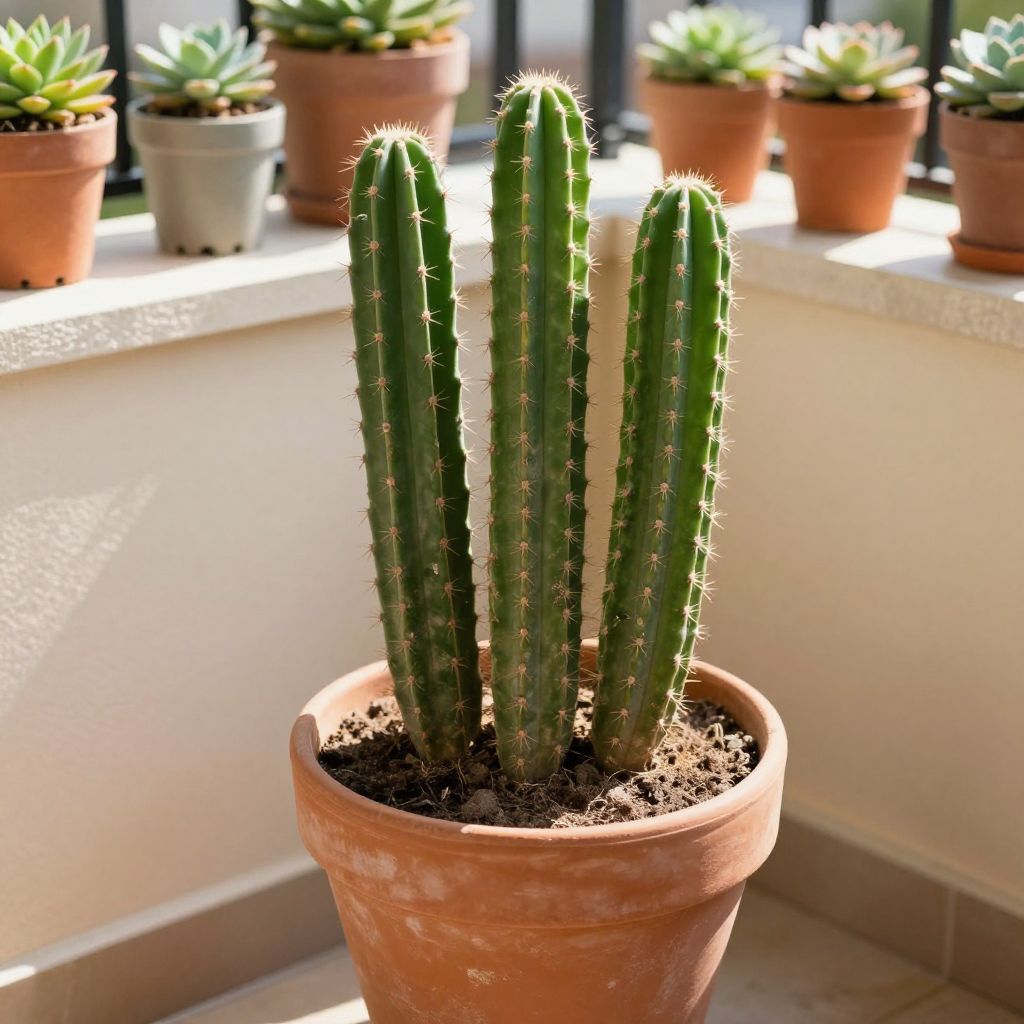
Do cactus need sun? Usually, yes—but not always full, blazing all-day sun. Most cacti grow best with several hours of bright light, and many need direct sun to stay compact and healthy. The exact amount depends on whether your cactus lives indoors or outdoors, and on the species, season, and your local climate.
If you give a cactus too little light, it may stretch, lean, or lose its shape. Too much intense sun too fast can scorch it, especially if it has been growing indoors or in shade. The goal is steady, appropriate light and a gradual adjustment when conditions change.
Do cactus need sun?
Yes. Most cacti need bright light and some direct sun to grow well, but the amount varies by species and setting. Many indoor cacti do best near a very bright window with a few hours of direct sun, while outdoor cacti often prefer full sun or light afternoon shade in very hot climates.
How much sun do cacti actually need?
Cacti are adapted to bright, open habitats, so light is one of the most important parts of their care. In general, they need more light than most houseplants, but not every cactus wants the same intensity all day.
Indoor cactus light needs
Indoors, a south- or west-facing window usually gives the strongest light. Many cacti do well with 4 to 6 hours of direct sun, or very bright indirect light all day if the sun is extremely intense in your area.
If your cactus sits farther than a few feet from a bright window, it may not get enough light. In low-light rooms, a grow light can help, especially in winter.
Outdoor cactus light needs
Outdoors, many cacti prefer full sun, meaning at least 6 hours of direct sunlight. However, in very hot regions, some cacti benefit from afternoon shade to reduce sunburn and heat stress.
Newly planted cacti, recently moved plants, and potted cacti often need more protection than established in-ground plants.
Signs your cactus is getting enough light
A healthy cactus usually looks compact, firm, and evenly colored. Growth may be slow, but it should stay in proportion and hold its shape.
- Compact growth rather than stretched stems
- Even color without pale, weak sections
- Strong upright posture
- New growth that matches the plant’s normal shape
Some cacti also flower more reliably when they receive enough light, though flowering depends on species, age, and season as well.
Signs your cactus is not getting enough sun
Low light is one of the most common cactus problems indoors. The plant may survive for a while, but it often becomes weak and unattractive over time.
Common low-light symptoms
- Etiolation: stretched, skinny growth
- Leaning toward the window
- Pale or dull color
- Slow, weak growth
- Spines that look farther apart than usual
Once a cactus stretches from low light, that growth usually does not return to normal. The best fix is to improve light for future growth.
Can cactus get too much sun?
Yes. Cacti can be sunburned, especially when they are moved suddenly into stronger light. Sunburn is more likely on plants that were grown indoors, kept in a greenhouse, or shaded for a long time.
Signs of sunburn
- Bleached, yellow, tan, or white patches
- Dry, corky, or scorched-looking skin
- Damage on the side facing the strongest sun
- Sudden browning after a heatwave or move outdoors
Sunburned tissue does not heal, but the plant may continue growing if the damage is limited and you correct the exposure.
How to acclimate a cactus to stronger sun
If you want to move a cactus into brighter light, do it gradually. Sudden changes are one of the easiest ways to damage it.
- Start with bright shade or morning sun for several days.
- Increase direct sun exposure a little at a time over 1 to 2 weeks.
- Watch for bleaching, wrinkling, or shriveling.
- If the plant looks stressed, reduce exposure and try again more slowly.
This gradual approach is especially important for potted cacti, which can heat up faster than those planted in the ground.
Best light conditions for indoor cacti
Indoor cacti need the brightest spot you can realistically provide. A sunny window is usually better than a decorative shelf across the room.
Where to place them
- South-facing window: often best in cooler climates
- West-facing window: strong afternoon sun, useful for many cacti
- East-facing window: good morning sun, gentler for sensitive plants
If your home has weak winter light, rotate the pot every week or two so the plant grows evenly. A grow light can be useful when natural light is not enough, especially from late fall through winter.
Indoor light mistakes to avoid
- Putting a cactus in a dim corner
- Moving it from low light straight into harsh sun
- Blocking the window with curtains or furniture
- Assuming “bright room” means enough direct light
Best light conditions for outdoor cacti
Outdoors, cacti usually perform best in open, sunny positions with very sharp drainage. In many regions, full sun is ideal, but climate matters a lot.
When full sun works best
Full sun is often suitable when temperatures are moderate, humidity is low, and the cactus has been hardened off properly. Established desert cacti are often the most sun-tolerant.
When afternoon shade helps
In very hot climates, reflected heat from walls, patios, or pavement can stress cacti. A little afternoon shade can reduce scorch and water loss, especially for potted plants.
If you are unsure, observe the plant through the hottest part of the day. If it looks bleached, shriveled, or stressed despite adequate water and drainage, the site may be too intense.
Do all cactus species need the same amount of sun?
No. “Cactus” covers many different plants, and their light needs vary. Some species are true desert sun lovers, while others naturally grow in partial shade among rocks, shrubs, or trees.
General pattern to remember
- Desert-type cacti usually want more direct sun
- Forest or jungle cacti often prefer bright light with less intense direct sun
- Young plants usually need gentler light than mature plants
If you do not know the exact species, start with bright light and moderate direct sun, then adjust based on how the plant responds.
Soil, drainage, and sun go together
Even though this article is about light, cactus health depends on the whole growing setup. A cactus in strong sun can still struggle if the soil stays wet for too long.
Use a fast-draining cactus mix or a gritty potting mix that does not hold excess moisture. In containers, drainage holes are essential. In the ground, raised beds or rocky sites often work better than heavy, water-retentive soil.
- Choose a pot with drainage holes
- Use a gritty, free-draining mix
- Avoid oversized pots that stay wet too long
- Do not let the pot sit in standing water
Strong light and good drainage usually work together to keep cactus growth firm and healthy.
How to tell whether to move your cactus
If your cactus is stretching, leaning, or looking weak, it probably needs more light. If it is bleaching, turning tan, or drying out suddenly after a move, it may need less direct sun or a slower transition.
Quick decision guide
- Move closer to light if the plant is etiolated or leaning
- Provide shade if the skin looks scorched or bleached
- Keep conditions steady if the cactus looks compact and healthy
Try to make one change at a time so you can see how the plant responds.
Seasonal sunlight changes
Cacti often receive less light in winter, especially indoors. Shorter days and lower sun angles can slow growth and make a bright window feel less bright than it does in summer.
During the growing season, many cacti can handle stronger light and warmer temperatures. In winter, some species rest and need less water, but they still need enough light to avoid stretching.
If your cactus is indoors year-round, consider moving it to the brightest available window for winter and returning it to a stronger outdoor spot only after gradual acclimation in spring.
Common cactus care mistakes related to sun
Most cactus light problems come from either too little sun or too much sun too quickly. A few simple habits can prevent both.
- Buying a cactus and placing it in a dim room
- Skipping acclimation before outdoor summer sun
- Assuming all cacti like the same exposure
- Ignoring seasonal changes in light
- Pairing strong sun with poor drainage and overwatering
When in doubt, remember that cacti want bright light, but they also need time to adapt.
Simple cactus sun care checklist
If you want a quick way to care for your cactus, use this checklist as a starting point and adjust for your climate and plant type.
- Give the brightest safe light you can provide
- Use morning sun or filtered sun if the plant is sensitive
- Increase direct sun gradually
- Watch for stretching, leaning, or bleaching
- Keep the soil fast-draining
- Protect newly moved plants from sudden heat and sun
Conclusion
So, do cactus need sun? Yes—most need bright light and some direct sun to stay compact, healthy, and true to form. The right amount depends on the species, your climate, and whether the plant is indoors or outdoors. Start with bright conditions, adjust slowly, and let the cactus tell you if it wants more or less light.
If you want to keep learning about cactus care, you may also enjoy reading more about how to water cactus properly and the best soil mix for cactus and succulents.