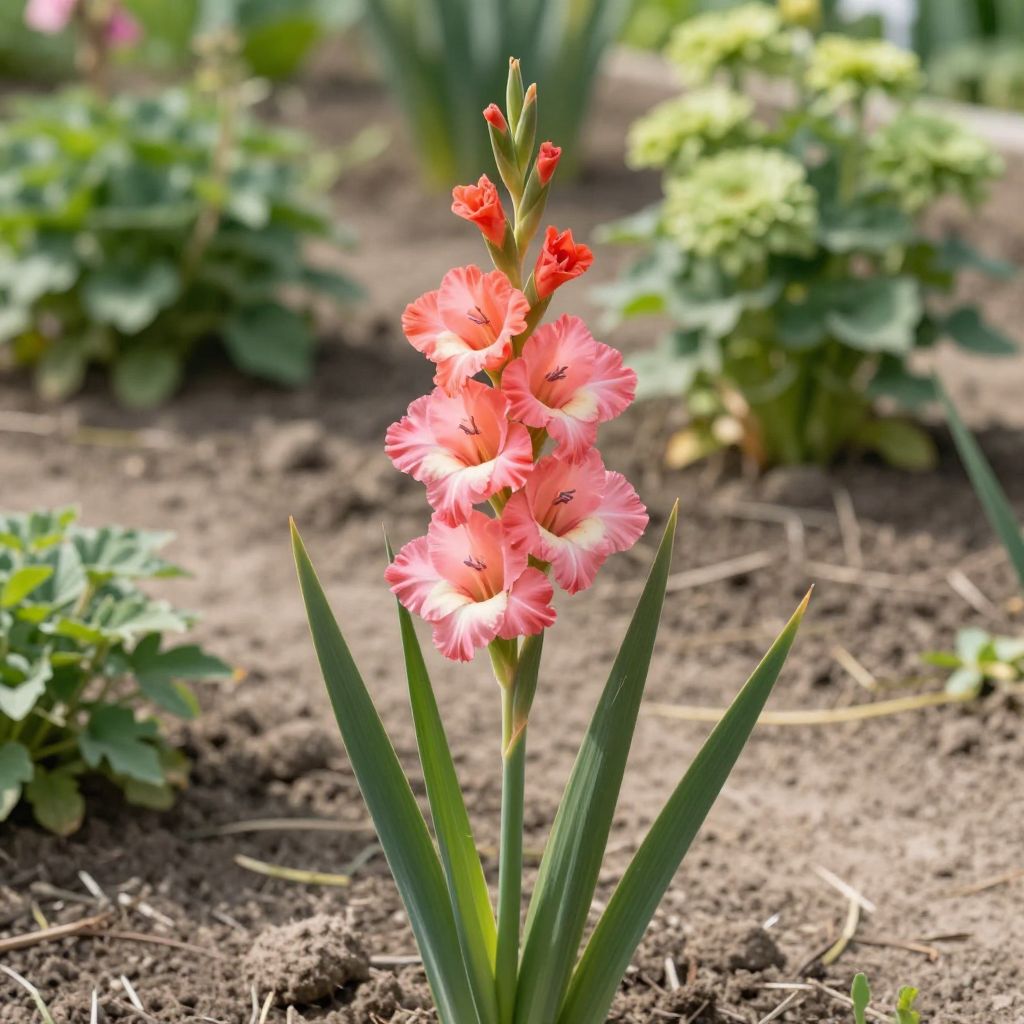
What is the flower for August? If you’re looking for the traditional flower of the month, August is usually represented by gladiolus and, in many places, poppy. Both are classic late-summer flowers, but they suit different gardens and growing conditions.
If you want to grow or identify an August flower, it helps to know which one you mean. Gladiolus gives tall, dramatic spikes of blooms, while poppies are airy, delicate, and often self-seed. Here’s how to tell them apart and grow them well.
What Is The Flower For August?
The most widely recognized flowers for August are gladiolus and poppy. Gladiolus is the more common “birth flower” choice in many modern floral traditions, while poppies are also strongly associated with August in some calendars. Both bloom in summer and can add color to the garden when many spring flowers are fading.
How to Identify August Flowers in the Garden
If you’re trying to identify an August flower, start with bloom shape, leaf form, and plant height. Gladiolus grows from a corm and produces upright flower spikes with sword-like leaves. Poppies usually have softer, more open blooms and finer foliage, often with a shorter, looser habit.
Gladiolus: Tall and Spiked
- Flowers: Funnel-shaped blooms arranged along one side of a tall stem
- Leaves: Narrow, upright, sword-like
- Height: Often 2 to 5 feet, depending on type
- Growth form: Grows from a corm, not a true bulb
Poppy: Soft, Papery, and Open
- Flowers: Thin, papery petals with a loose, open look
- Leaves: Usually lobed or finely divided
- Height: Often 1 to 3 feet, depending on species
- Growth form: Usually grown from seed
Growing Gladiolus for August Color
Gladiolus is one of the easiest ways to get tall summer flowers if you have full sun and well-drained soil. It performs best in a spot that gets at least 6 hours of direct sunlight and does not stay soggy after rain.
Best Conditions
- Sunlight: Full sun
- Soil: Loose, fertile, and well-drained
- Drainage: Essential to prevent corm rot
- Support: Tall types may need staking in windy areas
Planting Tips
- Choose a sunny bed with soil that drains freely.
- Work in compost to improve structure and fertility.
- Plant corms with the pointed side up, following the depth recommended for the size of the corm.
- Space them so air can move between plants.
- Water after planting, then keep soil evenly moist as growth begins.
Common mistake: planting gladiolus in heavy, wet soil. If water sits around the corms, they are much more likely to rot before flowering.
Care Through the Season
As shoots emerge, keep the soil moist but not waterlogged. In richer soils, gladiolus may need less feeding than gardeners expect; too much nitrogen can produce leafy growth with fewer flowers.
- Stake tall stems before they lean over.
- Remove spent blooms to keep the plant tidy.
- Cut flower spikes for arrangements when the lowest buds begin to open.
- After flowering, let the foliage stay in place until it yellows naturally so the corm can recharge.
Growing Poppies for an August Garden
Poppies bring a lighter, more natural look to borders and cottage-style plantings. Many types prefer cool soil for germination and do best when sown directly where they will grow, because transplanting can disturb their roots.
Best Conditions
- Sunlight: Full sun is best
- Soil: Average to lean soil, not overly rich
- Drainage: Good drainage helps prevent weak growth
- Moisture: Moderate; avoid constantly wet soil
Sowing and Establishment
- Prepare a fine, weed-free seedbed.
- Scatter seed thinly on the surface or barely cover it, depending on the type.
- Keep the soil lightly moist until seedlings establish.
- Thin crowded plants so each one has room to grow.
Poppies often do better when you do less, not more. Overfeeding them can lead to floppy stems and fewer flowers, especially in fertile garden beds.
Aftercare
- Water young plants during dry spells until roots are established.
- Deadhead if you want to reduce self-seeding.
- Leave some seedheads if you want natural reseeding for future seasons.
When August Flowers Bloom
August flowers are often late-summer bloomers, but exact timing depends on your climate, planting time, and weather. In cooler regions, gladiolus may bloom later in summer, while in warmer areas it can flower earlier or over a longer period. Poppies may bloom in late spring, early summer, or again in cooler seasons depending on the type.
How Climate Changes Bloom Time
- Cool climates: Blooming may shift later into the season.
- Hot climates: Flowers may fade faster and need more careful watering.
- Short growing seasons: Start early or choose quick-blooming types.
- Mild climates: Some poppies and gladiolus can flower for a longer window.
If you’re growing for a specific August display, check your local frost dates and summer heat patterns before planting. The same flower can behave very differently in a cool coastal garden than in a hot inland one.
Common Problems and How to Fix Them
Most problems with August flowers come from poor drainage, too much shade, or overcrowding. Catching issues early usually means better blooms and healthier plants.
Gladiolus Problems
- Yellowing leaves early: Often from wet soil, poor drainage, or disease.
- Flopping stems: Can happen in windy sites or rich soil with too much nitrogen.
- No flowers: Often caused by too little sun or corms planted too shallowly or too deeply.
Poppy Problems
- Weak seedlings: Usually from overcrowding or too much moisture.
- Few flowers: Often caused by rich soil or too much shade.
- Plants collapsing: Can happen in heavy soil or during prolonged wet weather.
Good rule: if a flowering plant looks lush but refuses to bloom, reduce fertilizer, increase sunlight, and check drainage before doing anything else.
Pruning, Deadheading, and Maintenance
Maintenance is simple once you know the plant’s growth habit. Gladiolus and poppies need different handling, so avoid treating them the same way.
For Gladiolus
- Cut spent flower spikes after the last bloom fades.
- Leave the leaves in place until they yellow naturally.
- Lift and store corms in cold or wet climates if needed.
For Poppies
- Deadhead if you want a cleaner border or fewer volunteers.
- Leave seedheads to dry if you want self-seeding.
- Remove weak or crowded seedlings early to improve airflow.
Using August Flowers in the Landscape
August flowers can do more than fill a vase. Gladiolus works well at the back of a border, along fences, or in cutting gardens where its height can shine. Poppies fit best in mixed beds, meadow-style plantings, and informal edges where their lighter form looks natural.
Design Ideas
- Plant gladiolus in groups for a stronger visual impact.
- Mix poppies with grasses and other airy perennials for a soft look.
- Use both together only if their sun and soil needs match your site.
Propagation and Saving Plants for Next Year
If you want more flowers next season, both plants can be propagated, but in different ways. Gladiolus is usually multiplied by corms and small cormlets. Poppies are most often grown from seed, and many types will self-sow if you let them.
Gladiolus Propagation
- Lift corms after foliage dies back in climates where winter protection is needed.
- Separate healthy cormlets for replanting.
- Store corms in a cool, dry, frost-free place if required by your climate.
Poppy Propagation
- Collect dry seed pods when they rattle and brown.
- Store seed in a cool, dry place.
- Sow seed directly where you want flowers to grow.
What to Remember About the Flower for August
If you’re asking “what is the flower for August,” the best answer is usually gladiolus, with poppy also commonly recognized. Gladiolus gives you tall, bold summer color, while poppies offer a softer, more natural look. Choose the one that matches your climate, sun exposure, and garden style.
For the best results, start with good drainage, enough sunlight, and the right planting method for the plant you choose. If you want to keep learning, a helpful next step is reading more about how to grow gladiolus or how to grow poppies in your garden.