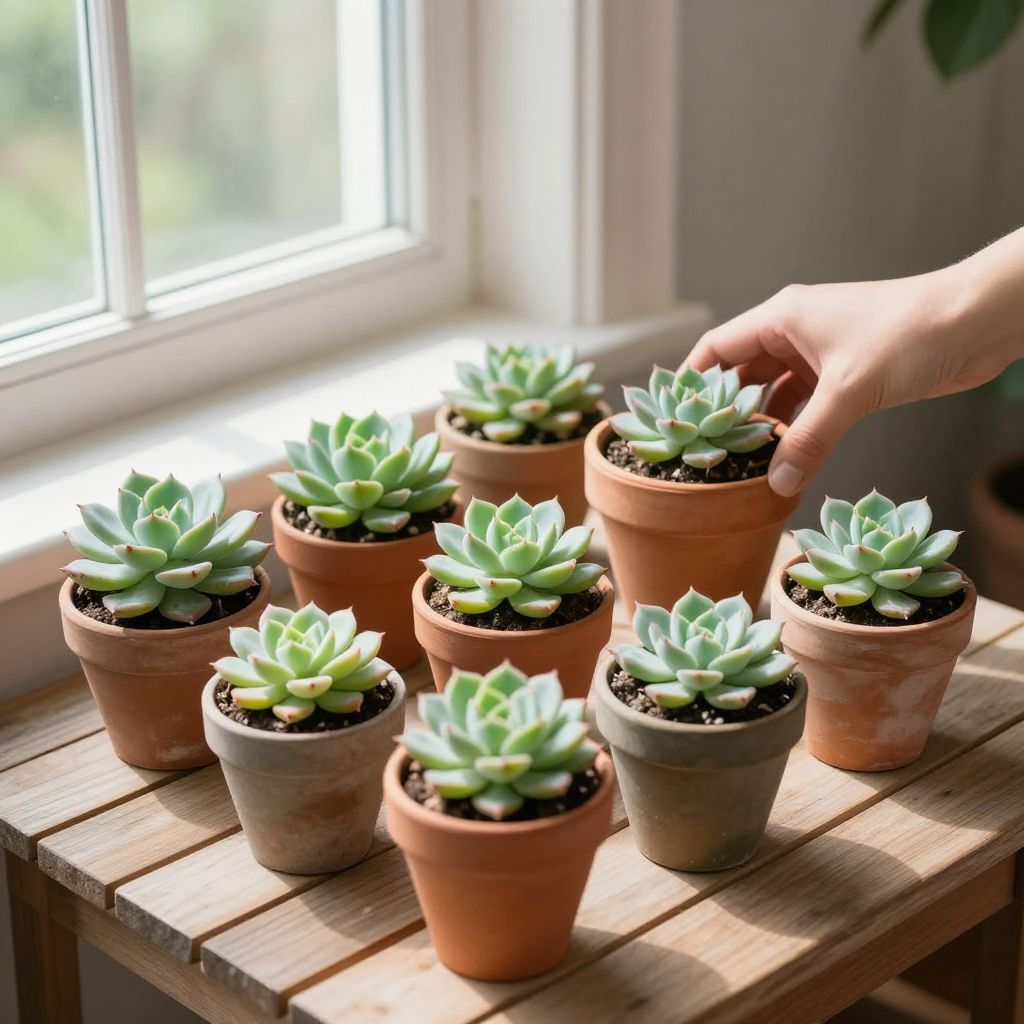
Do succulents need direct sunlight? Not always, but they do need bright light to stay compact, colorful, and healthy. Many succulents tolerate several hours of direct sun, while others prefer bright indirect light or gentle morning sun, especially indoors or in hot climates.
The right amount depends on the species, your climate, the season, and whether the plant is growing inside or outside. Too little light causes stretching and weak growth; too much harsh sun can scorch leaves, especially on plants that were recently moved.
Do succulents need direct sunlight?
Most succulents grow best with bright light and some direct sun, but not every succulent needs full-day direct exposure. Many do well with 4 to 6 hours of sun outdoors or very bright window light indoors. The key is matching the plant to the light level and acclimating it gradually.
How much sun succulents really need
“Succulent” describes a growth habit, not one exact light requirement. Some types, such as many Echeveria, Sedum, and Sempervivum, usually prefer more direct sun than shade-loving succulents like haworthias and gasterias.
Outdoor light
Outdoors, most sun-loving succulents do best in morning sun and afternoon protection in hot regions. In cooler climates, they may handle more direct sun without damage.
- Full sun: Often 6 or more hours of direct sun, suitable for many desert-type succulents if acclimated.
- Partial sun: About 3 to 6 hours of sun, often ideal in hot summers.
- Bright shade: Light under a tree canopy, patio cover, or near a wall with reflected light.
Indoor light
Indoors, succulents usually need the brightest window you have, often a south- or west-facing window in the Northern Hemisphere. A few hours of direct sun through glass can be helpful, but many indoor succulents still stretch if the light is too weak.
Window glass reduces light intensity, so a plant that thrives outdoors in sun may still need to be moved closer to the window indoors.
Signs your succulent is getting the wrong amount of light
Too little light
Low light is one of the most common reasons succulents look unhealthy. The plant often survives, but it loses its compact shape.
- Leaves spread farther apart on long stems
- New growth leans toward the window
- Color fades from red, purple, or blue tones
- Leaves may look thinner or softer than normal
- The plant becomes top-heavy and unstable
This stretching is called etiolation. Once it starts, the stretched growth will not compact again, but you can improve future growth with better light.
Too much direct sun
Strong sun can be just as problematic, especially after a sudden move from indoors to outdoors or from shade to full sun.
- Bleached, pale, or white patches on leaves
- Brown, dry, crispy spots
- Leaves shriveling despite regular watering
- Scorch on the side facing the strongest sun
Sunburned tissue usually does not recover, but the plant can often regrow if you adjust its exposure.
Which succulents need more sun?
Many common rosette and desert-style succulents prefer stronger light than leafy indoor types. These plants usually stay tighter and more colorful with several hours of direct sun.
- Echeveria
- Sedum
- Sempervivum
- Aeonium in cooler conditions
- Many cacti and cactus-like succulents
Even these plants may need afternoon shade in very hot climates, where intense sun and reflected heat can scorch leaves or cook the roots in containers.
Which succulents prefer less direct sun?
Some succulents naturally grow under filtered light or partial shade. They still need brightness, but they are more likely to burn in harsh midday sun.
- Haworthia
- Gasteria
- Many Sansevieria types, now often classified as Dracaena
- Some jade plants and other houseplant succulents grown indoors
These plants usually do well in bright indirect light or gentle morning sun. If they are outdoors, place them where they receive protection from the strongest afternoon rays.
How to acclimate succulents to direct sunlight
Sudden exposure is the fastest way to damage a succulent. Whether you are moving a plant outdoors for summer or shifting it to a brighter window, introduce stronger light gradually over 1 to 2 weeks.
- Start with bright shade or indirect light.
- Give a small amount of morning sun for 1 to 2 hours.
- Increase sun exposure every few days if the plant stays firm and unmarked.
- Watch for bleaching, browning, or shriveling.
- Stop increasing exposure if the plant shows stress.
If a succulent has been in low light for a long time, acclimate it even more slowly. Older leaves may never tolerate the same sun level as a plant grown in brighter conditions from the start.
Best placement for healthy succulent growth
Indoors
Place succulents as close to the brightest window as possible without letting leaves press against hot glass. A south-facing window is often best, but east- or west-facing windows can also work depending on your home and climate.
- Rotate the pot every week or two so growth stays even.
- Keep leaves clean so they can absorb light efficiently.
- If windows are dim, consider a grow light placed a few inches above the plant.
Outdoors
Outdoors, choose a spot with morning sun and afternoon shade if your summers are hot. In milder climates, many succulents can take more direct sun, especially if they are planted in the ground rather than in heat-trapping containers.
Container plants dry and heat up faster than in-ground plants, so they may need more protection from intense sun and wind.
Soil, drainage, and watering matter too
Light is only part of the equation. Succulents that receive the right sun still struggle if they sit in wet, dense soil.
- Use a fast-draining cactus or succulent mix, or amend regular potting mix with mineral materials that improve drainage.
- Choose pots with drainage holes.
- Water thoroughly, then let the soil dry out before watering again.
In brighter light, succulents generally use water faster. In lower light, they dry more slowly and are easier to overwater. That is why light and watering should always be adjusted together.
Common mistakes to avoid
- Putting a shade-grown succulent into full sun too quickly.
- Assuming all succulents need the same light.
- Keeping a plant far from windows and hoping it will “adapt.”
- Watering heavily when the plant is stretching from low light.
- Using a decorative pot without drainage.
- Ignoring reflected heat from walls, patios, or windows.
If your succulent looks weak, check light first before changing fertilizer or watering. In many cases, better light solves more problems than extra feeding.
Can succulents get too much sun in winter or summer?
Yes. Seasonal light changes matter. Winter sun is often gentler, and indoor plants may welcome more direct exposure. Summer sun can be much stronger, especially on balconies, patios, and south-facing windows.
In very hot weather, even sun-loving succulents may benefit from afternoon shade. If leaves start to bleach or wrinkle after a heat wave, move the plant back slightly and monitor it for a few days.
What to do if your succulent is already damaged
If the plant is stretched, move it to brighter light gradually and prune only if needed for shape. If leaves are sunburned, remove the worst damaged leaves once they are dry and fully dead, but leave healthy tissue in place.
For severely etiolated succulents, you can often propagate the healthy top growth after improving light. This gives you a chance to start fresh with a more compact plant.
Quick care checklist
- Give bright light, with some direct sun for many types
- Match the plant to its species and your climate
- Acclimate slowly to stronger sun
- Use fast-draining soil and a pot with drainage
- Watch for stretching, bleaching, or crispy spots
- Adjust watering as light and temperature change
Conclusion
So, do succulents need direct sunlight? Many do, but not all need the same amount. The best approach is to give bright light, introduce direct sun gradually, and watch how your plant responds. If you are unsure, start with morning sun or a bright window and adjust from there.
For more practical plant care, you may also want to read about how to water succulents correctly and choosing the best soil for succulents.