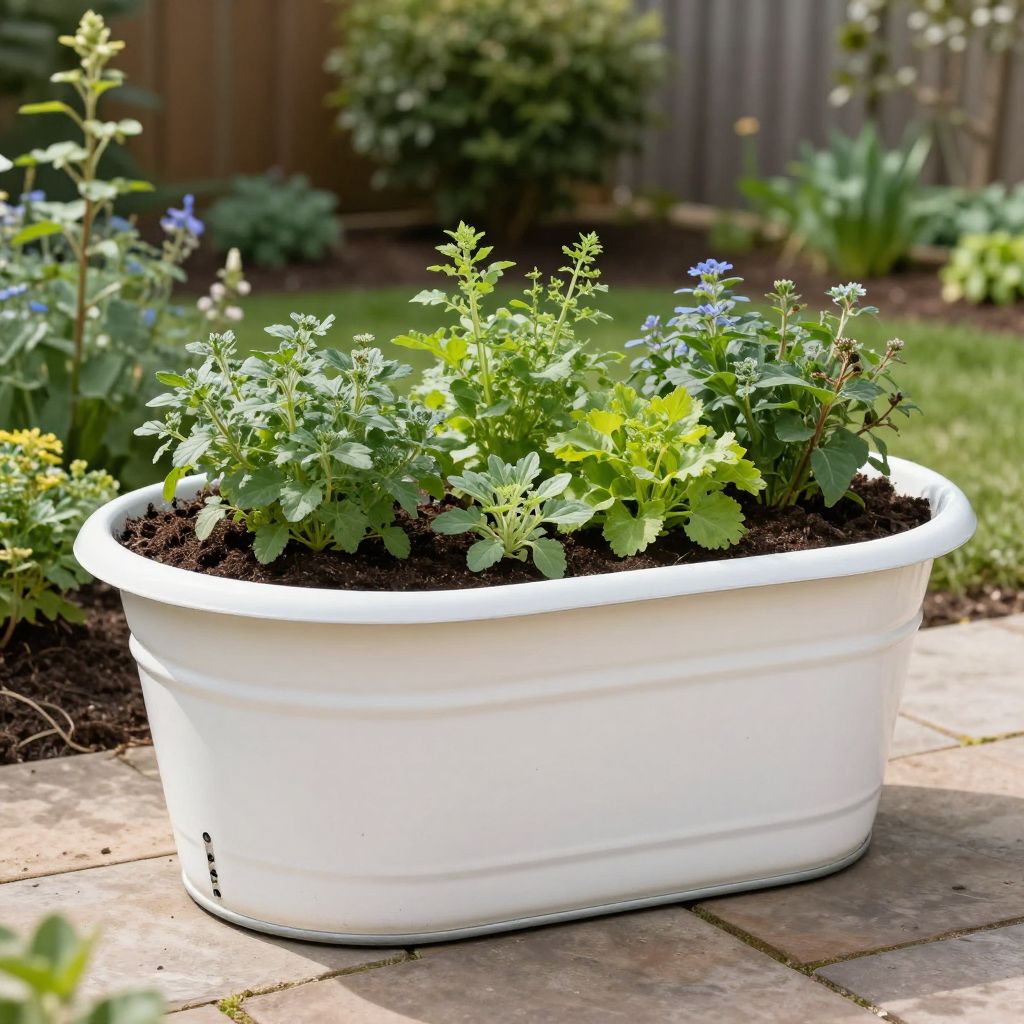
What is a garden tub, and is it something you can actually use in a garden? The term can mean different things depending on context, so it helps to identify whether you mean a large soaking tub for outdoor living or a planted tub-style container used in gardening.
In home gardening, a “garden tub” usually refers to a large, deep container or tub used for growing plants, often on patios, decks, or small yards. The right setup depends on drainage, soil mix, sun exposure, and the size of the plants you want to grow.
What Is A Garden Tub?
A garden tub is a large container or trough used for growing ornamental plants, herbs, vegetables, or small shrubs. Unlike a bed in the ground, it has limited root space, so success depends on choosing the right tub size, ensuring drainage, and using a quality potting mix rather than garden soil.
How to Identify a Garden Tub
Garden tubs are usually sturdy, wide, and deeper than a standard flowerpot. They may be made from wood, metal, stone, ceramic, fiberglass, or heavy-duty plastic, and many have a rustic or decorative look that makes them suitable for visible outdoor spaces.
Common features
- Large planting volume for root growth and moisture retention
- Drainage holes or space for adding them
- Wide opening for mixed plantings or specimen plants
- Heavy construction that helps the tub stay stable outdoors
How it differs from other containers
- A standard pot is usually smaller and more portable.
- A raised bed is open to the ground and allows deeper root spread.
- An ornamental tub may be decorative but still function as a planter if it drains well.
Choosing the Right Garden Tub for Plants
The best garden tub is one that matches the mature size of your plant and your climate. A container that is too small dries out quickly and restricts roots, while one that is too large can stay wet too long if drainage is poor.
Size and depth
For annual flowers and herbs, a medium to large tub is often enough. For shrubs, dwarf fruit, or larger mixed plantings, choose a deeper container with more root room.
- Shallow-rooted plants: herbs, pansies, lettuce, many annual flowers
- Moderate-rooted plants: tomatoes, peppers, dwarf dahlias, compact perennials
- Deep-rooted plants: small shrubs, citrus in warm climates, larger ornamental grasses
Material matters
Different materials affect moisture, temperature, and weight. In hot climates, dark metal tubs can heat up quickly and stress roots, while porous materials like terracotta may dry out faster than plastic or fiberglass.
- Wood: attractive and insulating, but may rot over time if not sealed properly
- Plastic/fiberglass: lightweight and moisture-retentive, good for easier handling
- Stone/concrete: durable and stable, but very heavy
- Metal: stylish, but can overheat in full sun unless shaded or insulated
How to Use a Garden Tub for Planting
Planting in a garden tub is straightforward, but the details matter. The biggest mistake is filling it with soil from the yard, which often compacts too tightly and drains poorly in containers.
Step-by-step planting guide
- Check drainage. Make sure the tub has drainage holes, or drill them if the material allows.
- Choose a suitable location. Match the site to the plant’s light needs before filling the tub.
- Add a drainage layer only if needed. In most cases, a good potting mix is better than adding gravel at the bottom.
- Use quality potting mix. Choose a mix designed for containers, not heavy garden soil.
- Plant at the proper depth. Keep the crown of the plant at the same level it was growing before.
- Water thoroughly. Soak the mix until water drains from the bottom.
- Mulch lightly. A thin layer of bark or compost can help reduce evaporation.
Best soil mix for a garden tub
A container mix should hold moisture but still drain freely. You can improve many potting mixes by blending in a small amount of compost for nutrients and structure, but avoid making the mix too rich or dense.
- Use a high-quality potting mix as the base
- Add compost if you want extra organic matter
- Avoid heavy clay soil, which compacts and limits oxygen around roots
Sunlight, Water, and Drainage Needs
Because a garden tub has limited soil volume, it responds faster to heat, wind, and drying than in-ground planting. That means sunlight, watering, and drainage need to work together for healthy growth.
Sunlight
Place the tub according to the needs of the plant, not just where it looks best. Full-sun vegetables need several hours of direct light, while shade-loving plants may scorch in intense afternoon sun.
- Full sun: vegetables, many flowering annuals, sun-loving herbs
- Partial shade: leafy greens, some herbs, impatiens, ferns
- Bright shade: plants that prefer protection from hot afternoon sun
Watering
Container plants usually need more frequent watering than plants in the ground, but the exact schedule depends on weather, pot size, plant type, and soil mix. Check the top inch or two of mix with your finger before watering.
- Water when the upper layer feels dry, not on a fixed calendar
- Water deeply so moisture reaches the root zone
- In hot, windy weather, tubs may need attention daily
- In cool or rainy periods, let the mix dry more between waterings
Drainage
Poor drainage is one of the fastest ways to lose plants in a garden tub. Roots need oxygen as well as moisture, and standing water can lead to rot, yellowing leaves, and decline.
- Make sure excess water can escape freely
- Never let the tub sit in a saucer full of water for long periods
- If the container is decorative and non-draining, use it as a cachepot only with a smaller inner pot
What to Grow in a Garden Tub
Garden tubs are versatile, but the best choices are plants that stay relatively compact or tolerate container life well. You can grow flowers, herbs, salad crops, and even some small shrubs if the tub is large enough.
Good plant choices
- Herbs such as basil, thyme, parsley, and chives
- Leafy greens like lettuce and spinach
- Compact flowering annuals
- Small ornamental grasses
- Dwarf shrubs or small patio plants
Plants that need extra caution
Large vegetables, vigorous vines, and fast-growing shrubs can outgrow a tub quickly. If you choose them, use a very large container and be prepared to water and feed more often.
- Tomatoes may need staking and regular feeding
- Cucumbers and squash can become too large for small tubs
- Woody shrubs may need root pruning or eventual transplanting
Feeding and Ongoing Maintenance
Plants in containers use up nutrients faster than plants in the ground because watering leaches minerals from the mix. A garden tub usually needs periodic feeding, but the best approach depends on the plant and the potting mix you use.
Fertilizing
Use a fertilizer appropriate for the plant type, following the product label. Slow-release fertilizers can work well in tubs, while flowering and fruiting plants may benefit from occasional liquid feeding during active growth.
- Do not overfertilize; excess salts can burn roots
- Refresh the top layer of mix or compost as needed
- Watch for pale leaves, weak growth, or poor flowering as possible signs of nutrient shortage
Pruning and grooming
Regular trimming keeps tub plants compact and attractive. Remove dead flowers, yellow leaves, and broken stems to reduce disease pressure and encourage new growth.
- Pinch back herbs to keep them bushy
- Deadhead annual flowers to prolong blooming
- Remove crowded stems to improve airflow
Common Problems in Garden Tubs
Most garden tub problems come from water stress, limited root space, or poor drainage. Catching issues early makes them much easier to fix.
Yellow leaves
Yellowing can mean overwatering, underwatering, poor nutrition, or root stress. Check the moisture level first, then inspect the drainage and overall plant vigor.
Wilting despite wet soil
This often points to root rot or compacted, oxygen-poor mix. If the soil stays soggy for days, improve drainage and consider repotting into fresh mix.
Cracked or stressed containers
Freeze-thaw cycles, sun exposure, and heavy weight can damage some tubs. Move vulnerable containers to sheltered spots in winter if your climate has hard freezes.
Pests and diseases
Container plants can still attract aphids, whiteflies, spider mites, and fungal diseases. Good spacing, regular inspection, and clean tools help prevent problems from spreading.
- Rinse off soft-bodied pests with water
- Remove badly affected leaves
- Improve airflow around crowded plants
- Do not let fallen leaves sit wet on the soil surface
Seasonal Care for Outdoor Garden Tubs
Outdoor tubs need seasonal adjustments because the root zone is exposed to temperature swings. In warm months, the main challenge is drying out; in cold months, the challenge is freeze damage and waterlogged soil.
In spring and summer
- Check moisture more often during heat waves
- Rotate the tub if one side gets more sun
- Refresh mulch or top-dress with compost if needed
In autumn and winter
- Reduce watering as growth slows
- Move tender plants to a protected area
- Raise the tub slightly so drainage holes do not clog
- Protect containers from harsh freeze-thaw cycles when possible
Indoor vs. Outdoor Use
A garden tub can work indoors if it is used as a planter and the plant suits indoor conditions. Indoors, light is usually the limiting factor, while outdoors, weather and drainage are the main concerns.
- Indoors: choose plants that tolerate lower light and stable temperatures
- Outdoors: choose plants based on sun, wind, rain, and seasonal temperature changes
- Always protect floors and furniture from drainage water
Mistakes to Avoid
Most failures in garden tubs come from a few avoidable errors. If you avoid these, your plants will have a much better chance of thriving.
- Using heavy garden soil instead of potting mix
- Choosing a tub without drainage
- Overcrowding too many plants in one container
- Placing sun-loving plants in too much shade
- Letting containers dry out completely for long periods
- Ignoring root space as the plant matures
Conclusion
A garden tub is simply a large container used for growing plants, and it can be a practical, attractive way to garden in small spaces or on hard surfaces. If you choose the right size, use a free-draining potting mix, and match the plant to the light conditions, you’ll set yourself up for success.
For more container-growing ideas and plant care tips, you may also find it helpful to read about how to grow herbs in containers and container gardening for beginners.