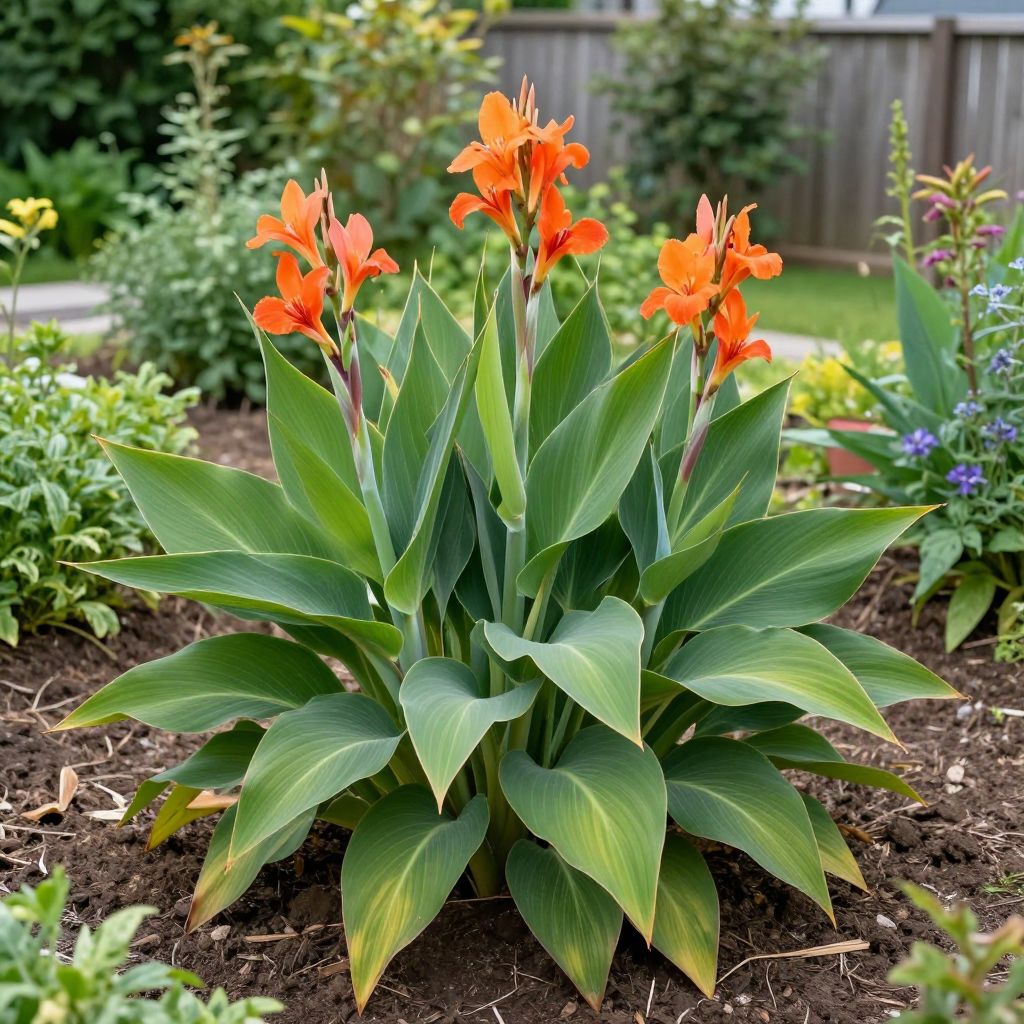
Are canna lilies perennials? Yes—canna lilies are perennial plants in warm climates, and in colder areas they can still come back year after year if you lift and store the rhizomes before hard frost. Their exact behavior depends on your USDA hardiness zone, winter temperatures, and how well the planting site drains.
If you want bold tropical-looking leaves and bright summer flowers, cannas are a reliable choice. The key is knowing whether your garden can keep them in the ground or whether you need to treat them as tender perennials and overwinter them indoors.
Are Canna Lilies Perennials?
Canna lilies (Canna spp.) are perennial plants grown from rhizomes. In frost-free or mild-winter regions, they usually survive outdoors and return each season. In colder climates, the top growth dies back and the rhizomes must be dug up and stored to keep them alive through winter.
How Canna Lilies Grow Year After Year
Cannas are not true bulbs. They grow from thick underground rhizomes that store energy for the next season. When temperatures warm up, new shoots emerge from these rhizomes and grow quickly into tall, leafy plants.
Because the plant’s survival depends on the rhizome, winter protection matters more than pruning or deadheading. If the rhizome stays warm enough and does not rot, the plant can return for many years.
Perennial in warm climates
In regions with mild winters, cannas can stay in the ground all year. They may die back a little after cold weather, but the rhizomes remain alive underground and sprout again in spring.
Tender perennial in cold climates
Where the ground freezes hard, cannas are treated as tender perennials. The foliage is frost-sensitive, and the rhizomes can be damaged by prolonged cold or wet soil. In those areas, gardeners usually dig them up after frost and replant them in spring.
What Climate Do Canna Lilies Need?
Cannas perform best in a long, warm growing season. They like heat, full sun, and moist but well-drained soil. The hotter the summer, the better they usually grow, as long as they are watered consistently.
If you are unsure whether cannas will overwinter in your area, check your local hardiness zone and pay attention to how long the soil stays frozen. Even in borderline climates, a thick mulch may help, but it is not a guarantee against winter loss.
- Warm regions: often perennial in the ground
- Cold regions: rhizomes usually need lifting and storage
- Wet winter soil: increases rot risk
- Dry, sheltered sites: improve winter survival
Best Growing Conditions for Healthy Cannas
Good growing conditions make cannas stronger and more likely to return. They are forgiving plants, but they do best when you match their needs closely.
Sunlight
Cannas bloom best in full sun, which usually means at least 6 hours of direct light a day. In very hot climates, a little afternoon shade can help keep foliage looking fresher, but too much shade reduces flowering and can make stems weak.
Soil
Rich, moisture-retentive soil is ideal. Cannas appreciate plenty of organic matter, so work in compost before planting if your soil is poor or sandy. At the same time, the site should drain well enough that water does not sit around the rhizomes.
Water
Cannas like even moisture during active growth. Dry soil can slow flowering and leave the leaves ragged, while soggy soil can cause rhizome rot. Water deeply when the top layer of soil begins to dry, especially during hot weather or container growing.
How to Plant Canna Rhizomes
Planting correctly helps cannas establish fast and return reliably. Whether you are planting in the ground or in a large container, avoid burying the rhizomes too deeply.
- Choose a sunny site with fertile, well-drained soil.
- Loosen the soil and mix in compost if needed.
- Set the rhizome horizontally, with the growing eyes facing up if visible.
- Cover with about 2 to 4 inches of soil, depending on soil texture and local conditions.
- Water thoroughly after planting.
If you are planting several rhizomes, space them far enough apart for mature growth. Cannas can spread and form large clumps, so give them room to fill in without crowding.
Container growing
Cannas can grow in large containers if the pot is deep and wide enough and has drainage holes. Container soil dries faster than garden soil, so potted cannas usually need more frequent watering and regular feeding during the growing season.
Do Canna Lilies Come Back After Winter?
Yes, they can come back after winter if the rhizomes survive. In warm climates, that often happens naturally in the ground. In cold climates, success depends on digging, drying, and storing the rhizomes properly before freezing weather arrives.
How to overwinter cannas in cold areas
After the first frost blackens the foliage, cut the stems back and dig up the rhizomes carefully. Brush off excess soil, let them dry briefly in a sheltered place, and store them in a cool, dry, frost-free location.
Use a box, crate, or paper bag with peat moss, vermiculite, or dry sawdust to help prevent shriveling. Check them occasionally through winter and remove any pieces that start to rot.
When to leave them in the ground
If winters are mild and your soil drains well, you may leave cannas in place. A layer of mulch can help moderate temperature swings, but avoid piling mulch against stems if the area stays wet, since excess moisture can encourage rot.
Pruning, Deadheading, and Seasonal Cleanup
Cannas do not need complicated pruning, but a little cleanup keeps them looking better and may improve flowering. Remove spent blooms if you want a tidier display, and cut back damaged foliage as needed during the season.
- Deadhead faded flowers to keep the plant neat.
- Remove yellowing or broken leaves at the base.
- Cut stems down after frost if you plan to store rhizomes.
Do not cut healthy green growth too early in the season. The leaves are feeding the rhizomes and building energy for next year’s growth.
Common Problems That Affect Perennial Cannas
Most canna problems come from weather, water, or pests rather than disease. Catching issues early helps keep the plant vigorous enough to return next season.
Rhizome rot
Rot is one of the biggest threats, especially in heavy or waterlogged soil. Symptoms include soft rhizomes, weak shoots, and a sour smell. Improve drainage, reduce overwatering, and avoid planting in low spots where water collects.
Frost damage
A sudden frost can blacken leaves and stems. In warm regions, the rhizomes may still survive underground. In colder areas, treat frost as a sign to lift the rhizomes if you want to save them.
Pests
Cannas can be bothered by aphids, spider mites, and caterpillars. Slugs and snails may chew young leaves in damp gardens. Check the undersides of leaves and new growth regularly, especially in warm, sheltered spots.
If pests are light, rinse them off with water or remove them by hand. For heavier infestations, improve airflow, avoid stressing the plant with drought, and remove badly damaged leaves.
Leaf spotting and poor flowering
Spotted or ragged leaves often point to stress, crowding, or inconsistent watering. Poor flowering usually means too much shade, too little feeding, or a plant that is still establishing. Cannas often bloom better after they have had time to build a strong rhizome clump.
How to Divide and Propagate Canna Lilies
Division is the easiest way to make more cannas and keep older clumps productive. Over time, dense clumps can become crowded, and dividing them helps renew growth.
- Lift the clump in spring or after the foliage dies back in fall, depending on your climate.
- Shake off excess soil and locate healthy growing points.
- Cut the rhizome into sections, making sure each piece has at least one healthy bud or “eye.”
- Replant the divisions promptly in prepared soil or store them for later planting if needed.
Use a clean, sharp knife or spade for division. Discard any soft, diseased, or badly shriveled sections rather than trying to save them.
Feeding and Maintenance Tips for Strong Returns
Cannas are heavy growers, so they benefit from fertile soil and steady moisture. Compost is often enough in rich garden beds, but if your soil is poor, a balanced feeding approach during active growth can help support flowering.
Keep weeds down around the plants so they do not compete for water and nutrients. A mulch layer can help conserve moisture and reduce weed pressure, but keep mulch a little away from the crowns to avoid excess dampness.
Simple maintenance checklist
- Plant in full sun
- Use compost-rich, well-drained soil
- Water consistently during active growth
- Remove spent flowers and damaged leaves
- Protect rhizomes from freezing in cold climates
- Divide crowded clumps every few years if needed
Are Canna Lilies Perennials in Pots?
They can be, but container-grown cannas are more exposed to temperature swings. In warm climates, a large pot may stay outside year-round if drainage is excellent. In cold climates, pots are more likely to freeze solid, so you should bring them into a protected space or remove and store the rhizomes.
Container plants also dry out faster, so check moisture often during hot weather. A pot that is too small can limit growth and make the plant more vulnerable to stress.
Conclusion: Should You Treat Cannas as Perennials?
Yes, but with a climate-based approach. In warm areas, cannas behave like true perennials in the ground. In cold regions, they are tender perennials that need winter protection to return.
If you want reliable results, plant cannas in a sunny, well-drained spot, keep them evenly watered, and decide before frost whether to mulch, lift, or store the rhizomes. For more practical plant-care guidance, you may also want to read related gardening articles on dividing perennials and overwintering tender bulbs and rhizomes.