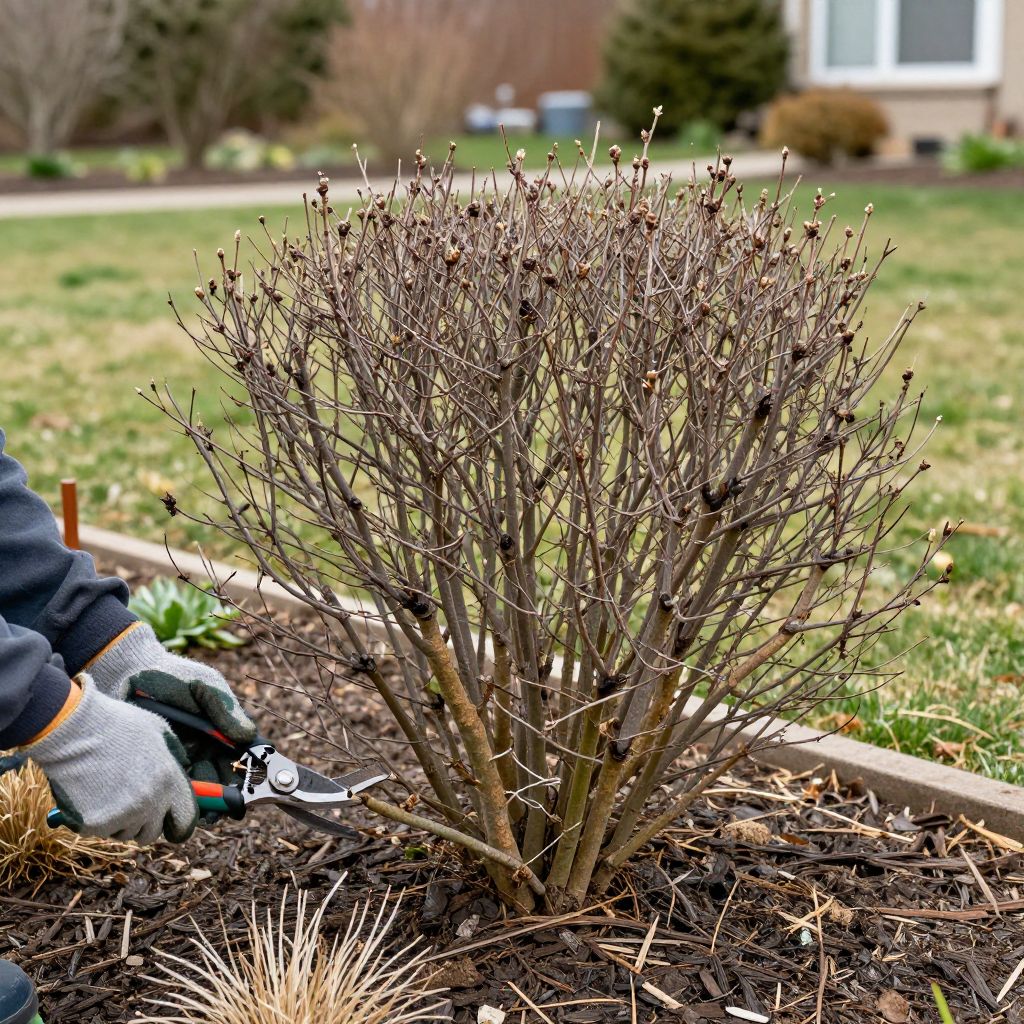
When should you prune burning bush? The short answer is to prune it in late winter or very early spring, before new growth starts. That timing lets you shape the shrub while it is dormant and reduces the chance of cutting off the season’s fresh growth or stressing the plant.
If your burning bush is overgrown, damaged, or blocking a walkway, you can still prune it at other times, but the results are usually better when you wait for dormancy. The best approach depends on how hard you need to cut and how established the shrub is.
When to prune burning bush?
The best time to prune burning bush is late winter to early spring, before buds break and new leaves appear. Light shaping can also be done after flowering or during the growing season if needed, but avoid heavy pruning in late summer or fall, when fresh growth may be damaged by cold weather.
Why timing matters for burning bush pruning
Burning bush, usually Euonymus alatus, responds well to pruning, but the timing affects how quickly it recovers and how much new growth it produces. Pruning while dormant helps you see the branch structure clearly and minimizes stress on the plant.
Pruning at the wrong time is not usually fatal, but it can lead to:
- Fewer leaves or flowers the following season
- Weak, tender regrowth before frost
- More visible cuts and a less natural shape
- Extra stress on shrubs already dealing with drought or winter injury
If you want to reduce size significantly, the dormant season is especially useful because the shrub can direct energy into regrowth as soon as spring arrives.
Best pruning times by goal
For routine shaping
Do light pruning in late winter or very early spring. Remove stray stems, shorten overlong branches, and maintain a rounded or natural outline before the shrub leafs out.
For major reduction
If the shrub has become too large, late winter is the safest time for a harder prune. You can remove selected older stems at the base or shorten the plant more substantially, then let it regrow during the season.
For damaged or diseased wood
Broken, dead, or clearly diseased branches can be removed as soon as you notice them. That said, if the issue is not urgent, waiting until late winter makes it easier to assess the full extent of the damage.
For hedge maintenance
If burning bush is used as a hedge, trim lightly in late winter and then touch up only as needed during the growing season. Frequent shearing can create a dense outer shell with weak growth inside, so occasional selective pruning is often healthier.
How to prune burning bush the right way
Good pruning is more than just cutting back branches. The goal is to improve shape, airflow, and plant health without leaving the shrub bare or stressed.
- Start with dead, damaged, or crossing branches. Remove anything broken, rubbing, or clearly unhealthy.
- Step back and look at the whole shrub. Decide whether you want a lighter shape-up or a size reduction.
- Thin crowded stems from the base. This improves airflow and helps light reach the center of the plant.
- Shorten long shoots to a side branch or bud. Make cuts just above outward-facing buds when possible.
- Avoid removing too much at once. For established shrubs, gradual renewal pruning is usually better than severe cutting every year.
Use clean, sharp hand pruners for small stems and loppers for thicker branches. For very large shrubs, a pruning saw may be needed.
How much can you cut back?
Burning bush tolerates pruning well, but how much you remove should match the plant’s age, condition, and your goal. Light pruning is safest, while major renovation should be done carefully and usually over more than one season.
- Light pruning: remove up to about one-third of the current season’s growth.
- Moderate reduction: selectively shorten long branches and thin some older stems.
- Hard renovation: cut back much more severely only if the shrub is healthy and established, and expect a strong flush of regrowth.
If the shrub is old, neglected, or stressed by poor soil or drought, a hard cut can be too much. In that case, spread the work over two or three seasons instead of trying to fix everything at once.
What to avoid when pruning burning bush
A few common mistakes can make the shrub look awkward or weaken it unnecessarily.
- Pruning too late in spring. Once new growth is underway, you may remove the season’s best foliage.
- Shearing into a tight ball every year. This can cause dense outer growth and sparse centers.
- Removing too much at once. Severe cuts can lead to a flush of weak shoots.
- Leaving stubs. Cuts should be made cleanly near a branch junction or bud, not halfway along a stem.
- Using dull or dirty tools. Ragged cuts heal more slowly and can spread disease.
Pruning after planting or transplanting
If you recently planted or moved a burning bush, keep pruning light. The shrub needs time to establish roots, especially if the site has hot sun, windy conditions, or soil that dries quickly.
For newly planted shrubs, focus on removing only broken branches or a few awkward stems. Save major shaping for later, once the plant is settled and producing steady growth.
Growing conditions that affect pruning success
Pruning works best when the shrub is already growing in a suitable site. Burning bush generally performs best in full sun to partial shade and in well-drained soil. Poor drainage, compacted soil, or repeated drought can slow recovery after pruning.
Soil and drainage
Burning bush prefers soil that drains well but still holds some moisture. If water sits around the roots after rain, the shrub may struggle to recover from pruning and may decline over time.
Before pruning heavily, consider improving the root zone with compost on the surface if the soil is thin or poor. Avoid burying the crown or piling mulch against the stems.
Watering after pruning
After pruning, water deeply if rainfall is lacking, especially during the first growing season after planting or transplanting. Keep the soil evenly moist, not soggy. A stressed shrub is more likely to produce weak regrowth.
How to handle an overgrown burning bush
Overgrown shrubs are one of the most common reasons gardeners ask when to prune burning bush. If the plant has become too wide, too tall, or woody in the center, renovation pruning can help.
Try this approach:
- Remove dead wood first.
- Cut out one-third of the oldest stems at ground level.
- Shorten the tallest branches to a strong side branch.
- Repeat the process the following year if needed.
This method keeps the shrub from looking stripped bare all at once and encourages fresh growth from lower down. It also helps maintain a more natural shape than repeated shearing.
Pests, diseases, and pruning cleanup
Healthy pruning also means paying attention to plant health. Inspect the shrub while you cut so you can spot problems early.
Common issues to watch for
- Scale insects on stems or leaf undersides
- Powdery mildew in crowded, shaded growth
- Leaf spot during wet weather
- Winter dieback on exposed stems
Remove diseased or dead material promptly and discard it rather than composting it if the problem is severe. Clean your pruners between cuts if you suspect disease, especially when moving from one shrub to another.
Tools and pruning technique tips
Using the right tools makes pruning easier and cleaner.
- Hand pruners: best for stems up to about finger thickness
- Loppers: useful for thicker branches
- Pruning saw: helpful for older woody stems
- Gloves and eye protection: smart for larger shrubs with dense branches
Make cuts at a slight angle just above a bud or branch junction. If you are thinning the shrub, remove whole stems rather than clipping every tip. That usually gives a better, more natural result.
Can you propagate burning bush from prunings?
Sometimes healthy stem cuttings can be rooted, though success varies. If you want to try propagation, use softwood or semi-hardwood cuttings from healthy, non-flowering growth and follow a method suited to your climate and local growing conditions.
For most home gardeners, pruning debris is best composted only if it is disease-free and cut into manageable pieces. Otherwise, dispose of it according to local yard-waste guidelines.
Final pruning advice for a better-looking shrub
If you remember one thing, make it this: prune burning bush in late winter to very early spring for the best balance of shape, recovery, and new growth. Use light, selective cuts whenever possible, and save major renovation for healthy shrubs that can handle it.
Take a few minutes this season to inspect your shrub, remove dead wood, and decide whether it needs shaping or a larger reset. For more practical shrub care, you may also want to read about how to prune shrubs without stressing them and basic soil improvement for landscape plants.