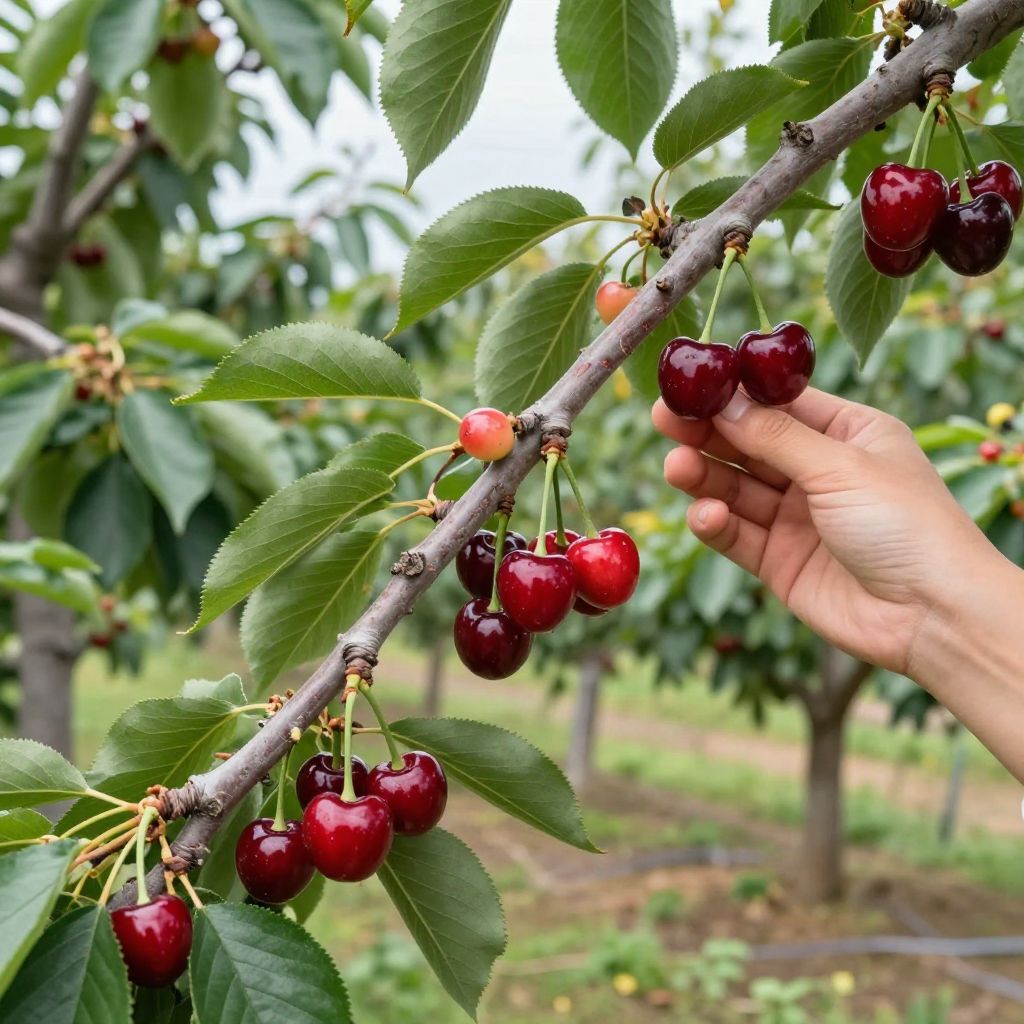
Wondering when do cherries come in season? The short answer is that cherry season is usually late spring to early summer, but the exact timing depends on your climate, the type of cherry, and the variety you’re growing. Sweet cherries generally ripen first in warmer areas, while tart cherries often follow a little later.
If you grow cherries at home, harvest timing matters just as much as planting and pruning. Picking too early gives you sour, underdeveloped fruit; waiting too long can mean bird damage, splitting, or fruit that drops before you can enjoy it.
When do cherries come in season?
Cherries are most commonly in season from May through July in the Northern Hemisphere, with some early sweet cherries ripening in late spring and tart cherries often peaking in early summer. In cooler regions or at higher elevations, the season can start later, while mild climates may see fruit earlier.
What affects cherry season timing?
Cherry ripening is shaped by weather, location, and the type of tree you grow. A tree planted in a warm, sheltered yard may ripen earlier than one in a windy, shaded site, even in the same town.
Sweet cherries vs. tart cherries
- Sweet cherries usually ripen first and are often eaten fresh.
- Tart cherries tend to ripen a bit later and are commonly used for cooking and preserving.
- Different cultivars can extend the season by several weeks, so the exact harvest window varies.
Climate and microclimate
Warm spring temperatures can move harvest earlier, while cool, cloudy weather can slow color development and sugar buildup. Frost, late rain, and strong wind can also affect fruit quality and timing.
If you’re trying to predict your own harvest, watch your tree rather than the calendar alone. Cherries can color up quickly, but they’re best picked when they reach full variety color, taste sweet or pleasantly tart, and come off the stem with a gentle tug.
How to tell when cherries are ready to pick
Cherries do not continue to ripen much after harvest, so picking at the right stage is important. Look for full color, firm flesh, and a balanced flavor before you harvest.
- Color: The fruit should show the mature color for that variety, whether deep red, yellow-red, or nearly black.
- Taste: Sample a few fruits from different parts of the tree.
- Texture: Ripe cherries feel firm but not hard.
- Stem attachment: Ripe fruit usually separates easily with the stem intact.
Signs you picked too early
- Sour or bland flavor
- Small fruit size
- Pale or uneven color
- Very firm flesh that resists picking
Signs you waited too long
- Softening fruit
- Bird pecking or insect damage
- Splitting after rain
- Fruit dropping to the ground
Growing cherries successfully at home
Healthy trees produce better fruit and a more reliable harvest window. Cherries need the right site, good drainage, and regular care to flower well and ripen fruit evenly.
Sunlight and site
Plant cherries in full sun for the best fruiting. Aim for a site with at least 6 to 8 hours of direct sunlight and good air movement to help reduce disease pressure.
Soil and drainage
Cherries prefer fertile, well-drained soil. Heavy, waterlogged ground can lead to root stress and poor growth, so raised beds or improved drainage may help in clay soils.
- Work in compost before planting if your soil is poor or compacted.
- Avoid low spots where cold air and water collect.
- Do not plant where water stands after rain.
Watering
Young trees need regular moisture while they establish, especially during dry spells. Mature trees usually need less frequent watering, but fruit development can suffer if the soil dries out for long periods.
Water deeply rather than shallowly, and let the top layer of soil dry a bit between waterings. Consistent moisture is especially important from flowering through fruit swell.
Mulching
A 2- to 4-inch layer of mulch helps conserve moisture and suppress weeds. Keep mulch a few inches away from the trunk so the bark stays dry and healthy.
Pruning and maintenance for better harvests
Pruning helps cherries stay productive, manageable, and better lit. It also improves airflow, which can reduce disease problems and support more even ripening.
Basic pruning goals
- Remove dead, damaged, or crossing branches
- Open the canopy to sunlight
- Keep the tree at a manageable height for picking
- Encourage strong fruiting wood
The best pruning approach depends on whether you have sweet or tart cherries and on the tree’s age and training system. If you’re unsure, start with light, careful pruning rather than heavy cuts.
Common mistakes to avoid
- Overpruning, which can reduce fruiting and stimulate excess leafy growth
- Ignoring tall branches that make harvest difficult
- Pruning in wet conditions, which can spread disease
Pests and diseases that can affect cherry season
Problems during bloom and fruit development can delay ripening or reduce the crop. Catching issues early helps protect the season you’ve been waiting for.
Birds
Birds are one of the biggest harvest-time challenges. Netting is often the most effective protection, especially once fruit starts coloring.
Fruit splitting
Rain close to harvest can cause cherries to split, especially when fruit is nearly ripe. Good drainage, consistent watering, and timely picking can help reduce losses.
Insect and disease pressure
Watch for damaged leaves, sticky fruit, mold, or premature drop. Remove fallen fruit promptly, keep the area clean, and prune to improve airflow. If a problem repeats every year, identify it early so you can adjust your care routine.
Harvesting cherries the right way
Harvest in the cool part of the day if possible, and handle the fruit gently. Cherries bruise easily, so use shallow containers rather than deep buckets.
- Check several fruits from different parts of the tree.
- Pick only fully colored, ripe cherries.
- Gently twist or snip fruit with the stem attached when possible.
- Place fruit in a shallow container to avoid crushing.
- Cool the harvest promptly if you are not eating it right away.
For sweet cherries, many gardeners prefer to harvest over several pickings as the fruit ripens unevenly. Tart cherries are often harvested in a shorter window when most of the crop reaches peak color and flavor.
Can you grow cherries in a small garden?
Yes, but size management matters. Dwarf or semi-dwarf trees can fit smaller spaces better, and careful pruning helps keep the canopy compact and productive.
- Choose a tree size that matches your space and ability to prune.
- Make sure the tree still gets full sun.
- Leave enough room for airflow and easy harvesting.
In very small gardens, cherries can also be grown as trained trees against a fence or wall if the site is sunny and well drained. Just remember that confined spaces can dry out faster, so monitoring soil moisture is important.
How to extend your cherry harvest window
If you want cherries for a longer period, plant more than one variety with different ripening times. This is one of the simplest ways to stretch the season without changing your whole garden.
- Choose early-, mid-, and late-season cultivars when available.
- Match pollination needs carefully, since some cherries need a compatible partner.
- Keep trees healthy so ripening stays consistent year to year.
Even with the right varieties, weather can shift the season. A warm spring may bring an earlier crop, while a cool one can delay harvest by a week or more.
Quick seasonal checklist for cherry growers
- Watch bloom time in spring to estimate harvest timing.
- Keep soil evenly moist during fruit development.
- Protect fruit from birds as it begins to color.
- Check ripeness by taste, color, and stem attachment.
- Harvest promptly before rain, splitting, or overripe fruit becomes a problem.
Conclusion
So, when do cherries come in season? For most gardeners, the answer is late spring through early summer, with the exact timing shaped by variety, climate, and local growing conditions. Watch your tree closely as fruit colors, taste-test before picking, and harvest promptly for the best flavor.
If you want to plan a longer harvest next year, consider reading more about how to prune fruit trees for better yields and how to choose the right cherry tree variety for your garden.