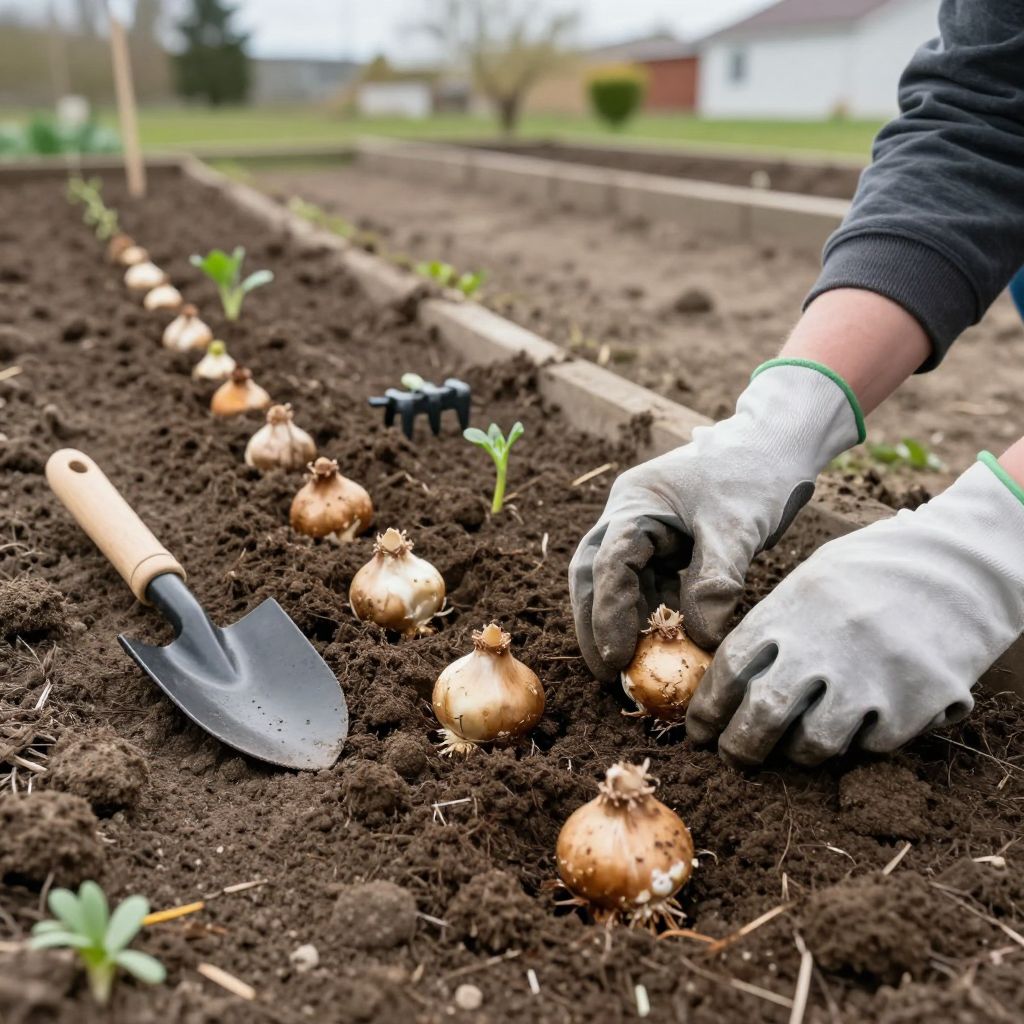
Wondering when to plant ranunculus bulbs so you get strong stems and lots of blooms? The timing matters more than many gardeners realize, because ranunculus are sensitive to heat, cold, and wet soil. Planting at the right moment gives the corms time to root well before the weather turns too warm or too harsh.
In most climates, ranunculus are planted in cool weather: in fall in mild-winter areas, or in late winter to early spring where winters are colder. The best planting time is when soil is workable, drainage is good, and temperatures are cool enough for rooting but not so cold that the corms rot or freeze.
When To Plant Ranunculus Bulbs?
Plant ranunculus corms when the weather is cool and the soil is well drained: typically fall in mild climates and late winter to early spring in colder regions. Aim for daytime temperatures around 50–60°F (10–15°C) if possible. The goal is to let roots establish before warm weather pushes the plants into bloom.
Understand the Planting Window for Your Climate
Ranunculus are usually sold as corms, not true bulbs. The right planting time depends on your winter temperatures and how long cool conditions last.
Mild-winter climates
If your winters are generally frost-free or only lightly frosty, plant ranunculus in fall. This gives the corms time to root through winter and bloom in spring.
Cold-winter climates
If your winters are hard and the ground freezes, wait until late winter or early spring once the soil can be worked. In these areas, many gardeners pre-sprout the corms indoors or in a protected space, then transplant them outside after the worst cold has passed.
Warm climates
In regions with short, mild winters and fast-rising spring heat, plant as early as you can after temperatures cool. Ranunculus dislike hot weather, so earlier planting usually means better flowers.
How to Tell If It’s the Right Time
Instead of following a calendar date alone, use your local conditions. Ranunculus perform best when they can establish roots in cool soil before active growth accelerates.
- Soil temperature: cool, not cold and waterlogged.
- Air temperature: mild days and cool nights are ideal.
- Soil condition: crumbly and drainable, not sticky or saturated.
- Season: fall in mild areas, late winter to early spring in colder ones.
If you are unsure, check your local frost dates and observe your soil. If the ground is still frozen or soggy, wait. If it is drying out and warming quickly, plant sooner rather than later.
Preparing Ranunculus Corms Before Planting
Most ranunculus corms benefit from a little prep before they go into the ground. This improves sprouting and helps you avoid rot.
- Inspect the corms: choose firm, dry-looking corms without mold or soft spots.
- Rehydrate if needed: soak them in cool water for a few hours, usually about 3–4 hours, until they plump slightly.
- Pre-sprout in cool conditions: place them in lightly moist potting mix or vermiculite until small roots appear.
- Plant once rooted: move them into beds or containers when the weather is suitable.
Pre-sprouting is especially useful in colder regions or where spring weather changes quickly. It gives you a head start and reduces the risk of corms sitting in cold wet soil too long.
Best Site Conditions for Healthy Growth
Ranunculus need the right site as much as the right timing. Even planted at the perfect time, they struggle in poor drainage or heavy shade.
Sunlight
Give them full sun in most climates. In very warm regions, a little afternoon shade can help extend bloom life and reduce heat stress.
Soil
Use loose, fertile soil that drains well. A sandy loam or raised bed is often ideal. If your soil is heavy clay, improve it with compost and consider growing in a raised bed or containers.
Drainage
This is one of the most important factors. Ranunculus corms rot easily in soggy soil, so avoid low spots where water collects after rain.
How To Plant Ranunculus Corms
Once the timing is right and your corms are ready, planting is straightforward. The main thing is to keep them shallow enough to grow well, but deep enough to stay stable.
- Loosen the soil and mix in compost if needed.
- Plant corms with the claw-like side facing down, if you can identify it.
- Set them about 2 inches deep and 4 to 6 inches apart.
- Cover lightly and water in gently.
- Keep the soil evenly moist, not wet, while roots establish.
If you are planting in containers, use a pot with drainage holes and a high-quality potting mix. Containers dry faster than garden beds, so check moisture regularly.
Watering and Early Care After Planting
After planting, water enough to settle the soil around the corms, then keep moisture steady as roots form. The soil should feel lightly moist, like a wrung-out sponge, not saturated.
Overwatering is a common mistake. Too much water, especially in cool weather, can cause rot before the plant even emerges. Underwatering is less risky early on, but prolonged dryness can slow rooting and reduce bloom quality.
When shoots appear
Once growth begins, keep watering consistent. Ranunculus prefer regular moisture during active growth, especially as buds form, but they still need excellent drainage.
Growing Ranunculus in Beds vs. Containers
The planting time is similar, but the care differs a little depending on where you grow them.
In garden beds
Beds are best when the soil drains well and the site gets full sun. They are easier to keep cool and stable than containers, especially in spring weather.
In containers
Containers are useful if your garden soil is heavy or your climate is too wet in spring. Use a roomy pot, fresh mix, and frequent moisture checks. Pots also let you move plants if a cold snap or heat wave arrives.
What Happens If You Plant Too Early or Too Late?
Timing mistakes are common with ranunculus, but they are usually easy to understand once you know the plant’s preferences.
Planted too early
If corms go into cold, wet soil too soon, they may rot or sit dormant for too long. In very cold areas, early planting can also expose them to freezing damage.
Planted too late
If you wait until the weather is already warm, the plants may produce weak growth and fewer flowers. Ranunculus bloom best when they finish most of their growth before intense heat arrives.
Common Problems and How To Fix Them
Ranunculus are not especially difficult, but a few issues come up often. Most are related to timing, moisture, or site conditions.
Rotting corms
This usually means the soil stayed too wet or the corms were planted in cold, heavy ground. Improve drainage, water less, and plant in raised beds or containers if needed.
Weak stems
Weak stems can come from too little sun, overcrowding, or planting too late in the season. Give plants more light and enough space, and avoid pushing them into hot weather.
Few flowers
Ranunculus may bloom poorly if they were planted in poor soil, shaded conditions, or if the corms never rooted well. A cool start and steady growth usually improve flowering.
Snails and aphids
Young shoots can attract snails and slugs, especially in damp weather. Aphids may appear on buds and stems later. Check plants regularly and remove pests early before they spread.
Pruning, Cutting, and Harvesting Flowers
Ranunculus are often grown for cutting, and regular harvesting can encourage more blooms. Use clean scissors or pruners and cut stems when the buds are showing color but are not fully open if you want longer vase life.
Remove spent flowers to keep the plant tidy and direct energy into new buds. If you are growing them mainly for the garden display, deadheading still helps the planting look fresher for longer.
Can You Save Ranunculus Corms for Next Year?
In some climates, yes. In others, gardeners treat ranunculus as seasonal plants and replant fresh corms each year. Success depends on how warm, wet, or cold your conditions are after bloom.
If you want to try saving them, let the foliage die back naturally, then lift and dry the corms once the plant has finished. Store them in a cool, dry, airy place. Even so, many gardeners get the most reliable results by starting with fresh corms each season.
Quick Planting Checklist
- Plant in fall in mild climates, or late winter to early spring in colder ones.
- Choose a sunny site with excellent drainage.
- Pre-sprout corms if you want a stronger start.
- Plant about 2 inches deep and 4 to 6 inches apart.
- Water lightly and consistently, but never let the soil stay soggy.
- Protect young growth from slugs, snails, and sudden heat.
Conclusion
The best time to plant ranunculus bulbs, or more accurately corms, is when the weather is cool and the soil drains well: fall in mild climates, and late winter to early spring in colder ones. If you match planting time to your local conditions, you give these flowers the best chance to root, bloom, and perform beautifully.
If you want to keep building your cool-season flower knowledge, look for more guidance on spring-flowering bulbs and container planting techniques so you can time each crop with confidence.