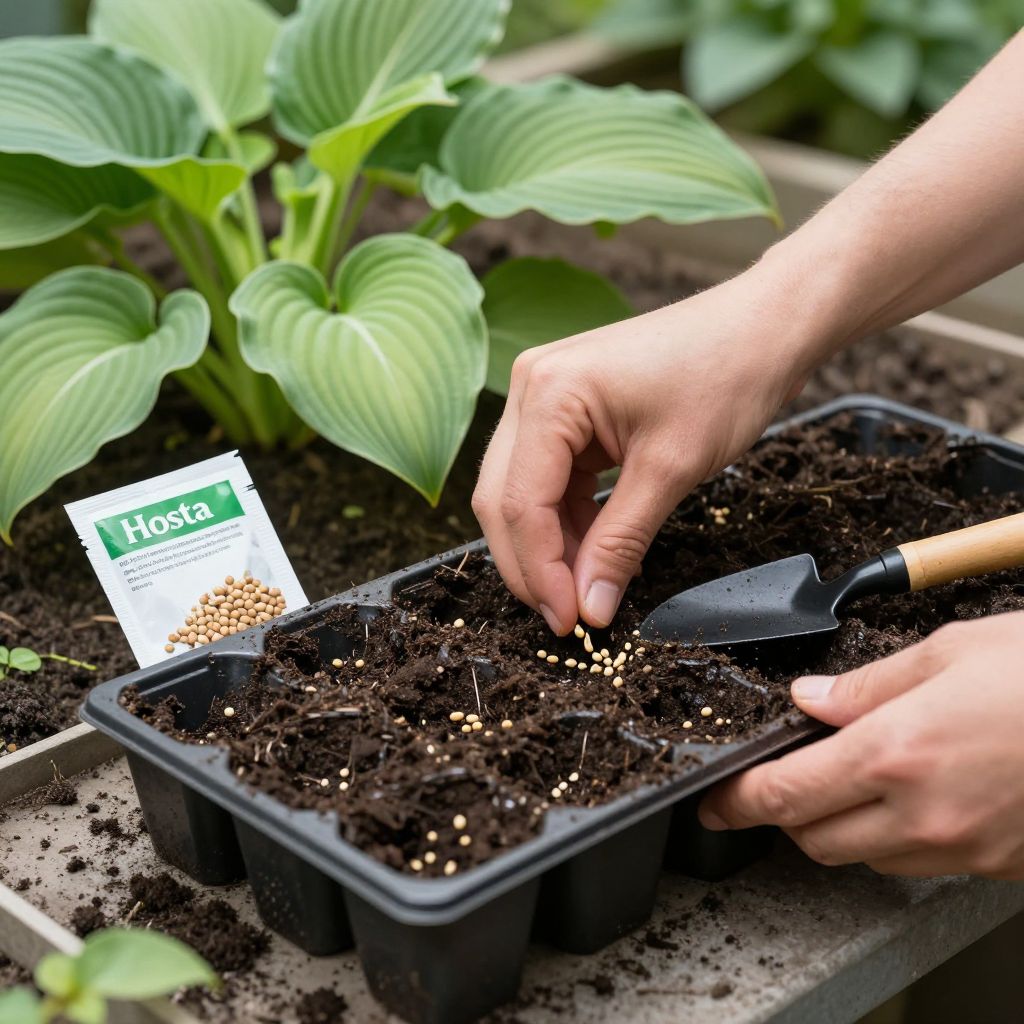
Wondering when to plant hosta seeds? The short answer is that hosta seeds are usually started indoors in late winter or early spring, then moved outside after the danger of frost has passed. You can also sow them outdoors in fall in mild climates, but germination is slower and less predictable.
Because hostas grow slowly from seed, timing matters. The best planting window depends on your climate, whether you want to cold-stratify the seeds, and how much patience you have for seedlings that may take several years to become full-sized plants.
When to plant hosta seeds?
Plant hosta seeds indoors 8 to 10 weeks before your last expected frost, or sow them outdoors in fall if your climate provides a natural cold period. Hosta seeds often germinate better after cold stratification, so many gardeners refrigerate moist seeds for several weeks before sowing.
Understanding hosta seed timing
Hostas are perennial shade plants, and their seeds do not behave like fast annual flower seeds. They usually need cool conditions before they sprout, and seedlings develop slowly.
Best times by planting method
- Indoor sowing: Late winter to early spring is ideal for most gardeners.
- Outdoor sowing: Fall sowing works well where winter provides consistent cold and moisture.
- Cold stratification: Often used before spring sowing if seeds have not already experienced winter conditions.
If you live in a very mild climate, outdoor fall sowing may not give seeds enough chill to wake up properly. In that case, indoor stratification is usually the safer option.
Why timing affects germination
Hosta seeds often need a period of cold to break dormancy. Without that chill, they may sprout slowly, unevenly, or not at all. Starting at the right time gives you better control over moisture, temperature, and light.
It also helps you avoid losing tiny seedlings to cold snaps, heavy rain, or pests before they are established.
How to plant hosta seeds step by step
Hosta seeds are easy to sow, but they need the right conditions to germinate well. Use a clean seed-starting mix and shallow containers with drainage holes.
- Prepare the seeds. If needed, cold-stratify them first by sealing them in a slightly moist paper towel or seed mix in a bag and refrigerating them for several weeks.
- Fill containers. Use a fine, sterile seed-starting mix that drains well.
- Sow shallowly. Press seeds onto the surface and cover lightly, about 1/8 inch deep or just enough to hold moisture.
- Moisten gently. Water with a spray bottle or bottom watering so you do not dislodge the seeds.
- Keep conditions steady. Aim for bright, indirect light and moderate room temperature.
- Maintain moisture. The mix should stay evenly damp, not soggy.
Hosta seeds do best when the seed-starting medium stays moist but airy. If it stays wet for too long, the seeds may rot before they sprout.
Indoor germination tips
- Use a humidity dome only if you can vent it regularly.
- Place trays in bright light, but not hot direct sun.
- Check daily for drying, mold, or algae on the soil surface.
- Label each tray with the sowing date so you can track germination time.
Do hosta seeds need cold stratification?
Often, yes. Many hosta seeds germinate more reliably after several weeks of cold, moist conditions. This mimics winter and helps break dormancy.
If your seeds were collected fresh in late summer or fall, they may already be ready for cold treatment. If they are older or stored dry, cold stratification can improve your odds.
Simple cold stratification method
- Moisten a paper towel or small amount of seed-starting mix so it is damp, not dripping.
- Place the seeds inside a labeled plastic bag or sealed container.
- Refrigerate them for several weeks.
- Check occasionally for excess moisture, mold, or early sprouting.
- Sow them as soon as the stratification period ends.
Do not freeze hosta seeds unless you are following a known seed-saving method. Regular refrigerator temperatures are usually the safer choice.
Best growing conditions for hosta seedlings
Young hosta seedlings need gentle conditions. They are not ready for full shade outdoors right away, and they should not be exposed to strong sun or drying wind.
Light
Provide bright, indirect light indoors. Outdoors, choose a sheltered spot with morning sun and afternoon shade, or dappled shade under trees once seedlings are established.
Temperature
Moderate room temperatures are usually enough for indoor germination. Avoid placing trays near heat vents, cold windows, or drafty doors.
Soil and drainage
Use a loose, fine-textured seed-starting mix. Good drainage is essential because hosta seeds and seedlings are prone to rot in heavy, waterlogged soil.
- Choose containers with drainage holes.
- Avoid garden soil in seed trays.
- Mix in a little fine compost only after seedlings are larger, if needed.
How long do hosta seeds take to sprout?
Germination time varies. Some seeds sprout in a few weeks after stratification, while others take longer and emerge unevenly. Patience is part of growing hostas from seed.
Do not discard a tray too quickly. Keep it evenly moist and continue watching for late germination, especially if temperatures fluctuate or the seed lot is older.
Common reasons seeds sprout slowly
- The seeds did not receive enough cold exposure.
- The mix dried out at some point.
- The soil stayed too wet and the seeds rotted.
- The seed lot was old or stored poorly.
- The tray was kept too warm or too cool.
Transplanting hosta seedlings
Move seedlings carefully once they have a few true leaves and are large enough to handle. Hosta roots are delicate when young, so avoid rough pulling or crowding.
Transplant into small pots first if needed, using a well-draining potting mix. Then harden them off gradually before planting them in the garden.
Hardening off
Before planting outside, acclimate seedlings over 7 to 10 days. Start with a few hours in a protected shady place, then gradually increase outdoor exposure.
- Keep them out of harsh midday sun.
- Protect them from strong wind and heavy rain.
- Bring them in if temperatures drop sharply.
Planting hostas in the garden
Once seedlings are ready, plant them in rich, moist, well-drained soil in partial to full shade. Mature hostas tolerate a range of shade conditions, but young plants establish best with consistent moisture and protection from scorching sun.
Work compost into the planting area if your soil is poor or compacted. Avoid burying the crown too deeply, and water thoroughly after planting.
Good site conditions for hostas
- Part shade to shade
- Moist, fertile soil
- Good drainage
- Protection from hot afternoon sun
- Space for mature spread
Common mistakes to avoid
Most problems with hosta seeds come from timing, moisture, or light issues. A few simple adjustments can make a big difference.
- Planting too deep: Hosta seeds are small and should be covered lightly.
- Letting trays dry out: Even brief drying can reduce germination.
- Overwatering: Soggy mix encourages rot and mold.
- Too much direct sun: Seedlings can scorch quickly.
- Rushing transplanting: Tiny seedlings are easy to damage.
Pests and diseases to watch for
Young hostas can be bothered by damping off indoors, slugs outdoors, and occasional fungal issues if conditions stay wet. Good airflow and clean tools help prevent many problems.
Practical prevention
- Use sterile seed-starting mix and clean containers.
- Water early in the day so foliage dries faster.
- Keep seedlings spaced so air can move around them.
- Check for slugs and snails once plants go outside.
If seedlings collapse at the soil line, damping off may be the cause. Remove affected plants, reduce moisture, and improve airflow right away.
Seed-grown hostas: what to expect
Hostas grown from seed are not exact copies of the parent plant if the parent was a hybrid. That means leaf color, size, and pattern may vary.
Seed-grown hostas are a good choice if you enjoy experimenting, collecting different forms, or growing many plants for a shade garden. Just expect slow progress, especially in the first year.
Quick planting timeline
- Late summer to fall: Collect ripe seed if you are saving your own.
- Fall to winter: Cold-stratify seeds or sow outdoors in suitable climates.
- Late winter to early spring: Start seeds indoors after stratification.
- After last frost: Harden off and transplant seedlings outdoors.
Conclusion
The best time to plant hosta seeds is usually late winter or early spring indoors, or fall outdoors in climates that provide natural winter chill. Focus on shallow sowing, steady moisture, and bright indirect light, and be patient with slow germination.
For more shade-garden planning, you may also want to read about choosing the right planting site and caring for young perennials once they are established.