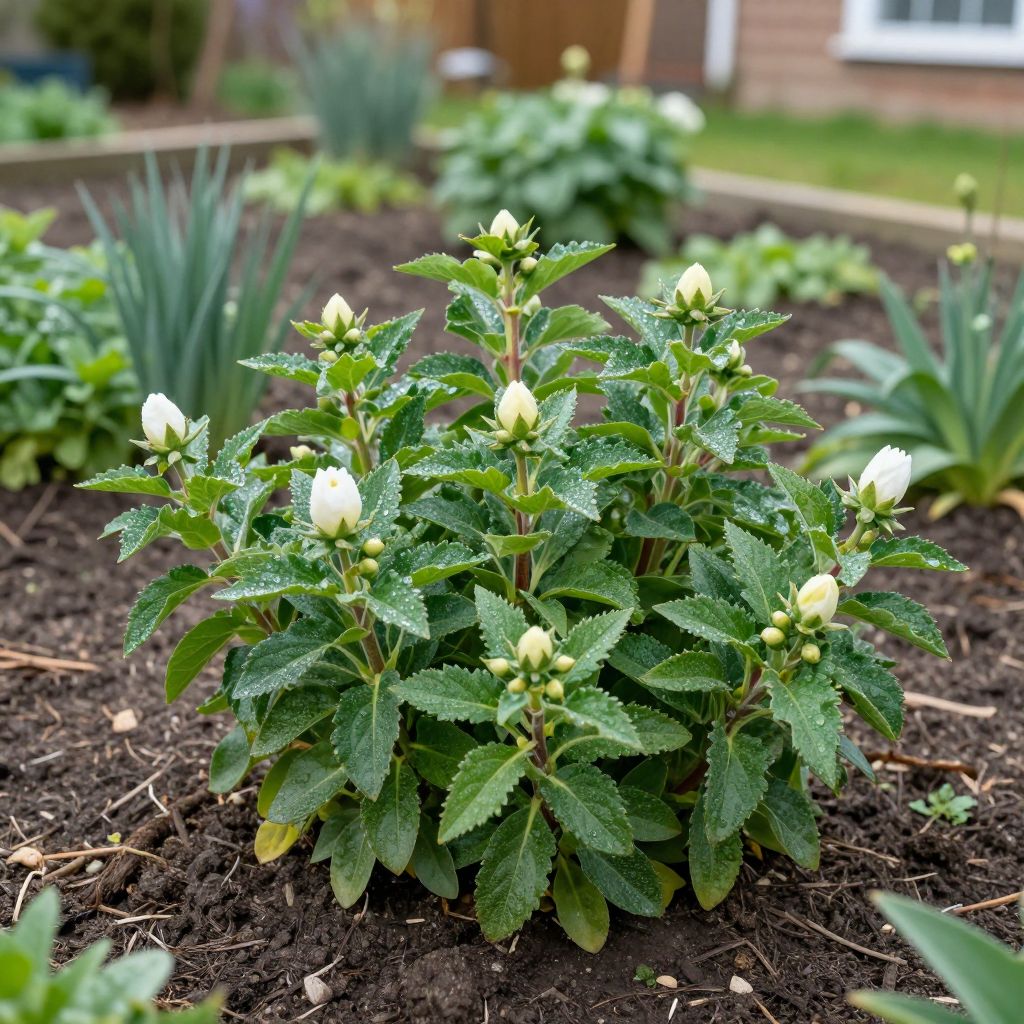
When does flowering start outdoor? The short answer is: it depends on the plant, your climate, and the season. Some outdoor plants begin flowering as soon as temperatures and day length are right, while others wait until they are mature enough or receive the right amount of sun, water, and cool nights.
If you want reliable blooms, the key is understanding whether your plant flowers in spring, summer, or autumn, and what triggers bud formation. Outdoor flowering is shaped by light, temperature, plant age, and care, so timing can vary a lot from one garden to another.
When does flowering start outdoor?
Outdoor flowering usually starts when a plant has enough maturity and the right seasonal cues, such as increasing daylight, warming soil, or a stretch of cooler nights. In many gardens, spring bloomers start in early to mid-spring, summer bloomers begin after the last frost and warm-up, and some plants flower only after days become shorter in late summer or fall.
What controls outdoor flowering timing?
Plants do not bloom just because the calendar says they should. They respond to a mix of environmental signals and their own growth stage.
1. Day length
Some plants flower when days get longer, while others bloom when days get shorter. These are often called long-day and short-day plants.
2. Temperature
Warm-season flowers often wait until frost risk has passed and soil has warmed. Cool-season bloomers may flower best in mild spring weather and slow down when summer heat arrives.
3. Plant maturity
Young plants often spend time building roots and leaves before they flower. Seed-grown plants usually bloom later than established transplants or mature perennials.
4. Sunlight
Most flowering plants need enough direct sun to set buds well. If a plant is shaded too much, it may grow leafy but produce few flowers.
5. Stress and care
Too much drought, poor drainage, nutrient imbalance, or pruning at the wrong time can delay or reduce flowering.
Typical outdoor flowering seasons by plant type
Because the plant matters more than the date, it helps to think in seasons rather than exact weeks. Use your local frost dates and plant labels as a guide.
Spring-flowering plants
Many bulbs, shrubs, and perennials begin flowering in early spring to late spring. These plants often form buds the previous season and open as temperatures rise.
- Examples include tulips, daffodils, lilacs, and peonies.
- They usually need a cool period before blooming.
- Pruning them too late can remove next year’s flower buds on some shrubs.
Summer-flowering plants
Annuals and many warm-season perennials usually start flowering after the weather settles and nights stay mild. In cooler regions, that may be late spring; in colder areas, it may be early to mid-summer.
- Examples include zinnias, marigolds, petunias, coneflowers, and many roses.
- They often bloom more heavily with full sun and regular deadheading.
- Cold snaps can slow or pause flowering.
Fall-flowering plants
Some plants begin flowering as day length shortens in late summer. Chrysanthemums and many asters are classic examples.
- They may stay vegetative through summer and then bud later.
- Evening light from porch lamps or streetlights can sometimes interfere with bud set in short-day plants.
How to tell if your outdoor plant is ready to flower
If your plant is healthy but not blooming, check whether it has reached the right stage of growth. A plant can look vigorous and still be too young or poorly conditioned to flower.
Signs flowering may be near
- Stems are thickening and new growth is slowing slightly.
- You can see small buds forming at leaf joints or stem tips.
- Leaves are a healthy green, not pale or scorched.
- The plant has had steady sun and no major drought stress.
Signs flowering may be delayed
- Too much shade from trees, fences, or nearby plants.
- Excess nitrogen fertilizer causing lots of leaves but few buds.
- Recent transplant shock.
- Improper pruning of a shrub that blooms on old wood.
- Soil that stays soggy or dries out too fast.
Growing conditions that help outdoor flowering begin on time
Good flowering starts with good root growth. If the plant is struggling below ground, blooms often come late or not at all.
Sunlight
Most flowering plants do best with at least 6 hours of direct sun, though some shade-tolerant bloomers need less. If a plant is not flowering, one of the first things to check is whether nearby trees or structures have reduced its light.
Soil and drainage
Healthy flowering depends on soil that holds some moisture but drains well. Waterlogged roots can stall growth and invite disease, while very sandy soil may dry too quickly for steady bud production.
- Work in compost to improve structure and moisture retention.
- Avoid planting in low spots where water collects after rain.
- If soil is heavy clay, raised beds or mounded planting can help.
Watering
Inconsistent watering is a common reason flowering starts late or becomes sparse. Deep, even moisture supports bud formation better than frequent shallow watering.
- Water when the top layer of soil begins to dry, not on a fixed calendar.
- Mulch helps reduce swings between drought and saturation.
- Try to keep foliage dry when possible to lower disease risk.
Feeding
Use compost or a balanced fertilizer only as needed. Too much nitrogen can push leafy growth at the expense of flowers, especially in annuals and ornamentals.
If your plant is already established and growing strongly but not blooming, avoid overfeeding and focus on light, pruning, and watering balance first.
How to encourage earlier or stronger outdoor flowering
You cannot force every plant to bloom early, but you can create the conditions that make flowering more likely and more consistent.
- Match the plant to the season. Choose spring, summer, or fall bloomers that suit your climate and frost dates.
- Give enough sun. Move containers or thin nearby growth if shade is limiting buds.
- Water deeply and consistently. Let the root zone stay evenly moist, especially during bud formation.
- Mulch around the base. A 2–3 inch layer of organic mulch helps regulate soil moisture and temperature.
- Avoid excess nitrogen. If growth is lush but bloom is weak, reduce high-nitrogen feeding.
- Deadhead spent flowers. Many annuals and repeat bloomers set more buds when old flowers are removed.
- Prune at the right time. Know whether your shrub flowers on old wood or new wood before cutting it back.
Common reasons outdoor flowering does not start
When a plant refuses to bloom, the cause is often one of a few practical issues rather than a mystery disease or “bad luck.”
Too much shade
Plants that need full sun may grow long, weak stems and delay flowering in low light. If possible, transplant them to a brighter spot next season.
Wrong pruning time
Some shrubs form flower buds on last year’s growth. If you prune them in late winter or early spring, you may remove the buds before they open.
Transplant shock
Newly planted perennials, shrubs, or roses may focus on root establishment before blooming. This is normal, especially after a bare-root or container transplant.
Weather extremes
Late frost, heat waves, drought, or prolonged rain can interrupt bud development. Some plants recover and bloom later; others skip a cycle entirely.
Pests and disease
Aphids, spider mites, thrips, powdery mildew, and root rot can all reduce flowering by weakening the plant. Inspect leaves, stems, and roots if bloom is poor.
Practical troubleshooting by season
The best fix depends on when you expect flowering to begin.
If it should bloom in spring
- Check whether winter damage removed buds.
- Make sure the plant received the needed chill period if it is a bulb or woody shrub.
- Do not prune spring bloomers too late.
If it should bloom in summer
- Watch for transplant shock after planting out.
- Increase sun exposure if possible.
- Keep watering even during hot spells.
If it should bloom in fall
- Reduce night lighting near short-day plants.
- Do not overfeed with nitrogen in midsummer.
- Keep the plant healthy through summer so it can set buds later.
Propagation and planting timing for better blooms
If you are starting from seed, cuttings, divisions, or young nursery plants, flowering time will differ. Seed-grown plants often bloom later than transplants because they need more time to mature.
- Seeds: Great for annuals, but bloom timing depends on sowing date and variety.
- Transplants: Usually flower sooner because they are already partway grown.
- Divisions: Many perennials recover quickly, though some may skip flowering while re-establishing.
- Cuttings: Can bloom earlier than seed-grown plants if taken from mature stock, but timing still varies by species.
Maintenance tips once flowering begins
Once buds appear, keep conditions steady. Sudden changes can cause bud drop or shorter bloom time.
- Water consistently, especially in containers and raised beds.
- Remove faded blooms if the plant reblooms.
- Stake tall stems before heavy flowers flop.
- Watch for aphids on tender buds and new growth.
- Avoid major pruning until after flowering unless the plant clearly needs damaged wood removed.
Simple answer for gardeners planning ahead
If you are asking when does flowering start outdoor for a new planting, the safest answer is: after the plant is established and the season matches its natural bloom cycle. For many ornamentals, that means anywhere from a few weeks after planting to the following year, depending on species, size, and weather.
To get the best results, choose the right plant for your climate, give it enough sun, keep the soil evenly moist but well drained, and prune only when you know how that plant flowers. If you want more seasonal timing help, read about flowering plants and seasonal care and how to grow healthy garden plants.