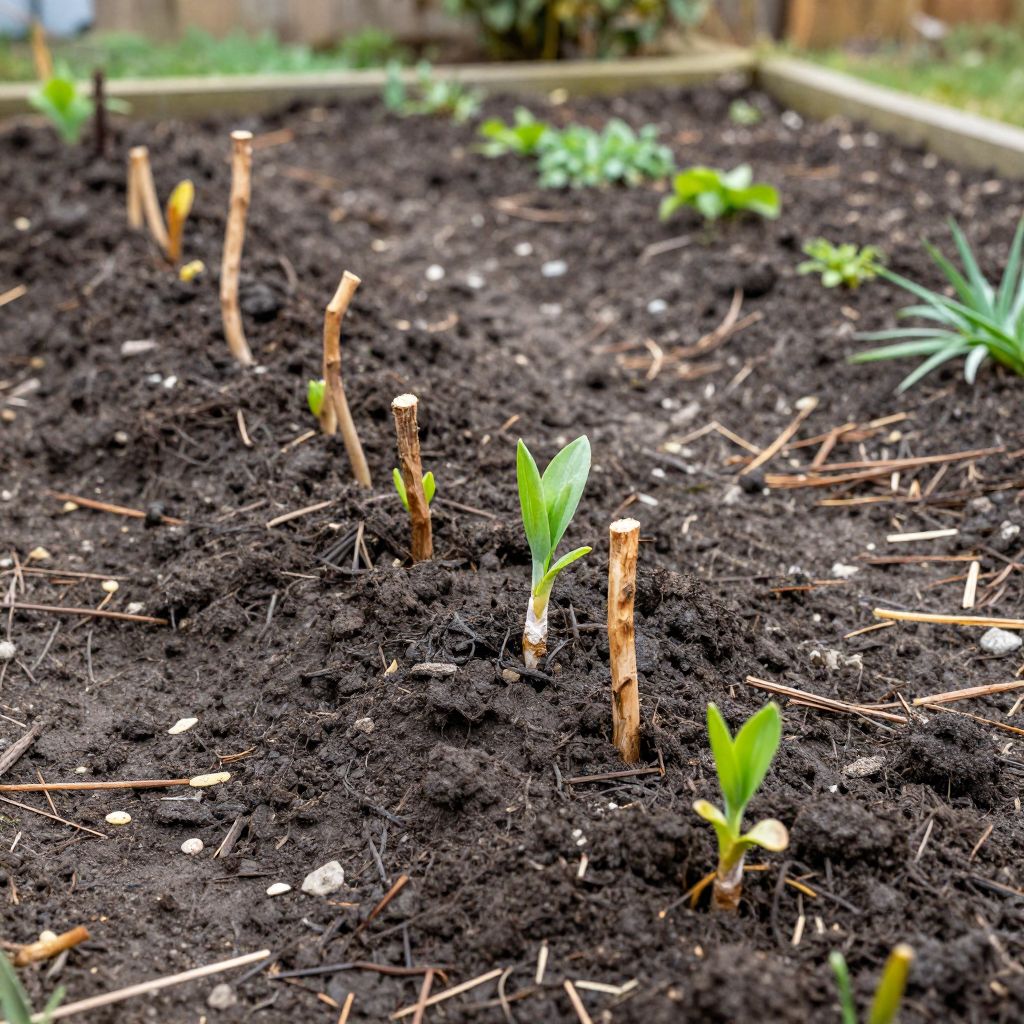
Do perennials come back? In many gardens, yes—they return year after year from the same root system, crown, or rhizome. But “perennial” does not mean “indestructible,” and some plants only come back reliably when they’re suited to your climate and cared for properly.
If your plants disappeared after winter, struggled through summer, or never reappeared in spring, the cause is usually winter injury, poor drainage, heat stress, or a perennial that isn’t hardy in your area. The good news is that most comeback problems are preventable once you know what to look for.
Do perennials come back?
Yes, true perennials are plants that live for more than two years and regrow from surviving underground or woody growth each season. They usually die back above ground in cold weather, then resprout in spring. However, whether they return depends on hardiness, soil drainage, winter conditions, and how well they were established.
What makes a perennial return each year?
Perennials survive because their roots, crowns, bulbs, rhizomes, or tubers store energy below ground. When conditions improve, those reserves fuel new growth. If that storage tissue is damaged by cold, rot, drought, or pests, the plant may weaken or fail to return.
Common growth types that come back
- Herbaceous perennials die back to the ground and regrow from the crown or roots, such as hosta, daylily, and coneflower.
- Woody perennials keep above-ground stems alive year-round, such as lavender, rosemary in mild climates, and many shrubs.
- Bulbs, corms, rhizomes, and tubers store energy underground, such as iris, peony, and dahlia in suitable climates.
Why “perennial” doesn’t always mean permanent
- The plant may be not hardy enough for your winter temperatures.
- Soil that stays wet can cause root and crown rot.
- Too much shade or too little water can leave plants too weak to overwinter.
- Some perennials are short-lived and naturally decline after a few years.
- In some regions, a plant sold as a perennial is actually grown as an annual because frost kills it.
How to tell if a perennial is dead or just dormant
Before pulling a plant out, check whether it is dormant or actually dead. Many perennials look lifeless in late fall or early spring, but they may still be healthy below ground. Wait for the normal growth period for that plant before deciding it failed.
Simple checks you can do
- Scratch the stem lightly with your fingernail. Green tissue underneath suggests life.
- Check the crown at soil level for firmness rather than mushiness.
- Look for buds or new shoots near the base.
- Inspect roots if needed: healthy roots are usually firm, not slimy or hollow.
If the plant is still dormant, avoid overwatering it or digging it up repeatedly. Disturbance can do more harm than waiting a little longer.
Why some perennials don’t come back
When a perennial fails to return, the cause is often environmental rather than mysterious. Identifying the problem helps you decide whether to adjust care, move the plant, or choose a better-suited species next time.
1. Winter cold exceeded its hardiness
Some perennials can only survive within a certain range of winter temperatures. If your winters are colder than the plant can handle, the top growth and roots may be killed back entirely.
What to do: Choose plants rated for your local climate, and in colder regions use mulch to buffer temperature swings. A 2- to 4-inch layer of loose mulch around the root zone can help, but keep it off the crown to avoid rot.
2. Soil stayed too wet
Many perennials dislike soggy soil, especially through winter. Poor drainage can suffocate roots and encourage fungal disease.
What to do: Improve drainage with raised beds, compost, or careful site selection. If water puddles after rain, choose moisture-tolerant plants instead of forcing dry-soil perennials to survive there.
3. The plant was stressed by drought or heat
Newly planted perennials need time to establish deep roots. If they dry out during their first season, they may survive for a while but fail to return later.
What to do: Water deeply during establishment, especially in hot or windy weather. Aim for moist, not waterlogged, soil. A thicker mulch layer can also slow evaporation.
4. It was planted in the wrong light
Sun-loving perennials in shade often grow weak and sparse. Shade plants in full sun can scorch, wilt, and decline.
What to do: Match the plant to the site. Observe how many hours of direct sun the area gets in spring and summer before planting.
5. The crown was buried too deeply
Planting too deep can smother the crown, reduce airflow, and increase rot. This is a common reason for poor perennial performance.
What to do: Set the crown at the same depth it was growing in the nursery pot or division. For many perennials, the top of the root ball should sit level with the surrounding soil.
Best conditions for perennials to return reliably
Most perennials come back best when they have well-drained soil, the right amount of light, and enough time to establish before extreme weather arrives. Good site preparation matters as much as the plant itself.
Soil
- Use soil that drains well but still holds some moisture.
- Mix in compost to improve structure in heavy clay or sandy soil.
- Avoid overly rich soil for plants that prefer lean conditions, such as many Mediterranean herbs.
Water
- Water deeply after planting so roots settle into the surrounding soil.
- After establishment, water based on weather and soil dryness rather than a fixed schedule.
- Check soil 2 to 3 inches down; if it feels dry, it’s time to water many garden perennials.
Sunlight
- Full sun usually means 6 or more hours of direct light.
- Partial shade suits many woodland perennials and plants that dislike intense afternoon sun.
- Too much shade can reduce flowering and weaken the plant over time.
Spacing and airflow
Good spacing helps leaves dry faster after rain or irrigation, which reduces fungal disease. Crowded plants may survive, but they often return less vigorously and are more prone to mildew and rot.
How to help perennials come back stronger
Once you understand the plant’s needs, a few simple habits can improve winter survival and spring regrowth. These steps are especially important for newly planted perennials and for plants in challenging climates.
Step-by-step perennial care
- Choose the right plant for your zone and site. Match hardiness, sun exposure, and soil conditions before planting.
- Prepare the soil. Loosen compacted ground and work in compost where needed.
- Plant at the correct depth. Keep the crown near soil level unless the species prefers otherwise.
- Water consistently during establishment. Keep the root zone evenly moist for the first season.
- Mulch lightly. Mulch helps regulate soil temperature and moisture, but keep it away from stems and crowns.
- Cut back at the right time. Some perennials benefit from fall cleanup, while others provide winter interest or shelter for beneficial insects.
- Divide overcrowded clumps when needed. Many perennials grow better when divided every few years, though timing varies by plant.
When to cut back perennials
Some gardeners cut everything down in fall, but that is not always best. In colder climates, leaving some top growth through winter can help trap snow and protect the crown. In wetter climates, removing diseased foliage can reduce problems next season.
Use clean pruners or garden shears, and remove only dead or damaged material unless the plant specifically benefits from a hard cutback.
Do all perennials come back every year?
No. Some perennials are short-lived and may decline after a few seasons even with good care. Others are perennial only in warm climates and treated as annuals in colder regions. A plant can also be technically perennial but still fail if your garden conditions are unsuitable.
Examples of plants that may not return everywhere
- Tender perennials may survive outdoors only in mild winters.
- Short-lived perennials may flower well for a few years, then taper off.
- Self-seeding perennials may seem to “come back” because new seedlings appear, even if the original plant dies.
This is why it helps to read plant labels carefully and look beyond the word “perennial.” Local winter lows, summer heat, and soil drainage all affect long-term success.
Common problems that stop perennials from returning
If your perennial didn’t come back, the issue is often visible once you know where to look. These are the most common trouble spots in home gardens.
Rot at the crown
Mushy, dark, or foul-smelling tissue at the base usually means rot. This often happens in poorly drained soil or when mulch is piled against the crown.
Heaving in winter
Freeze-thaw cycles can push shallow-rooted plants partly out of the soil, exposing roots to cold air. Mulch and proper planting depth can reduce this risk.
Pests and disease
Slugs, vine borers, root-feeding insects, and fungal diseases can weaken a perennial enough that it cannot rebound. Remove infected debris, improve airflow, and avoid overcrowding.
Animal damage
Deer, rabbits, voles, and rodents may browse stems or chew roots and crowns. If this is common in your area, use fencing, guards, or resistant plant choices.
How to revive a struggling perennial
If the plant is still alive but weak, give it a better chance before replacing it. A stressed perennial often needs correction in site or care more than extra fertilizer.
- Trim away dead foliage so the plant can focus on new growth.
- Loosen compacted soil around the root zone without damaging roots.
- Top-dress with compost if the soil is poor, but do not bury the crown.
- Move the plant only if the timing is suitable and the species tolerates transplanting.
- Watch for signs of pests, rot, or drought stress before adding fertilizer.
Important: Fertilizer is not a fix for poor drainage, wrong light, or winter injury. In many cases, better placement works far better than feeding.
Conclusion: what to do next
So, do perennials come back? Usually yes, if they’re hardy for your climate and grown in the right conditions. Check whether your plant is dormant or dead, then improve drainage, light, spacing, and winter protection where needed. If you’re planning a new bed, choose perennials suited to your site first, and you’ll give them the best chance to return year after year.
If you want to keep building a reliable garden, you may also enjoy reading about perennial garden design and how to divide perennials.