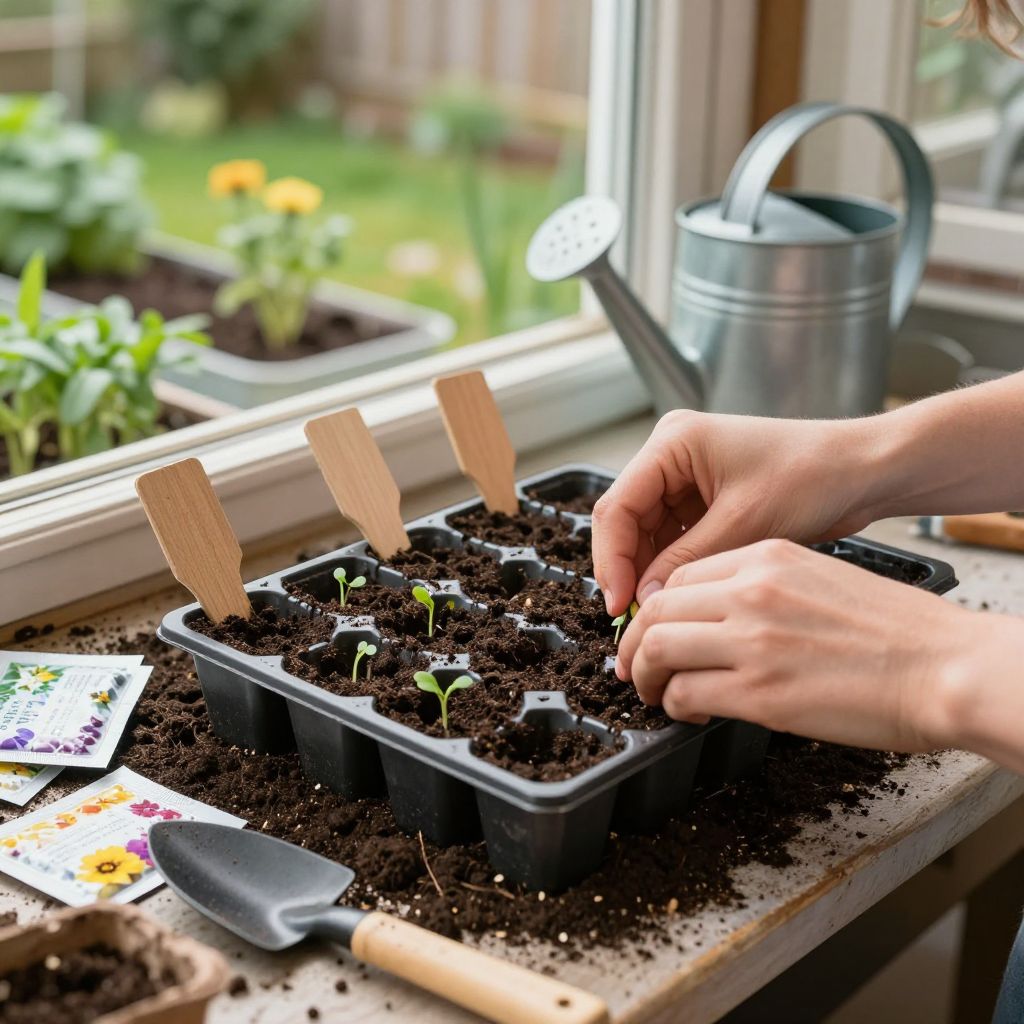
Wondering when to plant flower seeds so they actually sprout and bloom well? The best timing depends on the flower type, your climate, and whether you are sowing indoors or directly outside. Some seeds need a head start indoors, while others do best when the soil has warmed and frost risk has passed.
If you plant too early, seeds may rot, stall, or get damaged by cold. If you plant too late, flowers may bloom poorly or not finish before the season ends. The goal is to match each flower’s needs to your local conditions and growing season.
When To Plant Flower Seeds?
Plant flower seeds based on the flower’s germination needs and your last spring frost date. Cool-season annuals can often be sown early outdoors or started indoors several weeks before frost, while warm-season flowers should wait until soil and air temperatures are reliably warm. Perennials vary, but many do best with either early indoor sowing or fall sowing outdoors.
How to Decide the Right Planting Time
The most reliable guide is not the calendar but the combination of frost dates, soil temperature, and the seed packet instructions. A seed packet usually tells you whether to sow indoors, direct sow outdoors, or start after frost.
Use your last frost date as a starting point
For many gardens, the last expected spring frost is the key marker. Tender flowers should wait until after that date, while hardy flowers can often tolerate cooler conditions.
- Cool-season annuals can often be planted earlier.
- Warm-season annuals usually need warm soil and frost-free nights.
- Perennials may be started indoors, direct sown, or planted in fall depending on the species.
Check soil temperature, not just air temperature
Some flower seeds germinate poorly in cold, wet soil even if the air feels mild. Warm-season seeds especially need soil that is consistently warm enough to encourage fast, even sprouting.
If you do not have a soil thermometer, use local planting guidance and the seed packet as your best reference. In cooler climates, a few extra weeks of patience often improves results more than rushing the sowing date.
Which Flowers to Sow Indoors and Which to Sow Outside
Not every flower seed should be planted the same way. Some flowers transplant easily, while others prefer to stay where they are sown because their roots dislike disturbance.
Flowers commonly started indoors
Indoor sowing gives slow-growing flowers a head start and is useful in short growing seasons. It also helps when seeds are tiny or need careful moisture control.
- Petunia
- Snapdragon
- Begonia
- Impatiens
- Salvia
- Verbena
Flowers often direct sown outdoors
Direct sowing works well for flowers that dislike root disturbance or grow quickly from seed. These are often easier for beginners because you skip transplanting.
- Sunflower
- Zinnia
- Nasturtium
- Cosmos
- Calendula
- Morning glory
Always read the packet. Some flowers can be started either indoors or outdoors depending on your climate and how long your growing season lasts.
Best Planting Time by Season
Early spring
Early spring is a good time for cool-season flowers and for starting many seeds indoors. Outdoors, sow only if the soil is workable and not waterlogged.
In cold regions, indoor sowing may begin 6 to 10 weeks before the last frost for many annuals. In milder climates, you may be able to sow directly outdoors sooner.
Late spring to early summer
Once frost has passed and the soil has warmed, it is time for most warm-season annuals. This is the best window for flowers that grow quickly in heat and full sun.
If your spring is short, you can still sow fast growers directly. Just keep the soil evenly moist until seedlings are established.
Late summer to fall
Fall sowing can work well for some hardy annuals and many perennials, especially in areas with cold winters. Seeds may sit through winter and germinate when conditions improve, or they may sprout in cool autumn weather.
This method is especially useful for flowers that benefit from natural cold exposure. It can also reduce spring workload and produce stronger seedlings in some climates.
How to Plant Flower Seeds the Right Way
Good timing matters, but proper sowing technique matters too. Even the best-timed seeds can fail if they are planted too deep, too dry, or in poor soil.
- Prepare the soil by loosening it and removing weeds, rocks, and debris.
- Improve soil structure with compost if the bed is heavy clay or very sandy.
- Follow seed depth instructions on the packet. As a rule, tiny seeds are sown on the surface or barely covered.
- Space seeds properly to reduce crowding and disease later.
- Water gently so you do not wash the seeds away.
- Keep moisture consistent until germination.
For indoor sowing, use clean seed-starting trays or small pots with drainage holes and a light seed-starting mix. Avoid heavy garden soil, which can compact and slow root growth.
How deep should flower seeds be planted?
Most seeds are planted at a depth about two to three times their width, but very fine seeds often need light to germinate and should be pressed onto the surface instead of buried deeply. If the packet says to surface sow, do not cover them heavily.
Indoor Seed Starting Tips
Starting flower seeds indoors is helpful when you want earlier blooms or your outdoor season is short. It also gives you more control over temperature and moisture.
- Use a sterile, fine-textured seed-starting mix.
- Place containers in bright light after germination.
- Keep the mix moist, not soggy.
- Provide warmth for germination if the flower needs it.
- Thin seedlings early so they do not compete.
Light is especially important once seedlings emerge. A sunny window may work for some plants, but grow lights usually produce sturdier growth and reduce stretching.
Before moving seedlings outdoors, harden them off gradually over 7 to 10 days. Start with a few hours in shade, then increase sun and wind exposure little by little.
Outdoor Sowing Tips
Direct sowing is often the easiest method, but outdoor conditions must be right. Cold, soggy soil can cause rot, while dry soil can stop germination altogether.
Watch for these conditions before sowing
- Soil is crumbly, not muddy
- Night temperatures are appropriate for the flower type
- Heavy rain is not expected immediately after sowing
- The bed gets the right amount of sun
After sowing, mark the area so you do not accidentally disturb it while weeding. A thin layer of fine mulch can help retain moisture, but only after seedlings are up and growing unless the packet advises otherwise.
Sunlight, Soil, and Water Needs for Strong Germination
Most flowering plants need the right balance of moisture and air in the soil to sprout well. Too much water can suffocate seeds, while too little can stop them from swelling and germinating.
Sunlight
Seedlings need strong light once they emerge, and many flowering plants need full sun for best bloom. Check whether the flower prefers full sun, part shade, or shade before choosing a planting site.
Soil
Loose, well-drained soil is ideal for most flower seeds. If your soil stays wet after rain, consider raised beds, added compost, or a better-draining planting area.
Water
Water lightly but consistently until seedlings are established. The surface should stay evenly moist, not crusted or soaked. A fine spray or gentle watering can prevents seed displacement.
Common Mistakes to Avoid
Many flower seed failures come from a few simple mistakes that are easy to prevent.
- Planting too early in cold, wet soil
- Planting too deep, especially tiny seeds
- Letting seeds dry out during germination
- Overwatering, which can cause rot and damping off
- Skipping hardening off for indoor-started seedlings
- Using poor soil that compacts or drains badly
If seedlings emerge and then collapse, damping off may be the problem. Improve air circulation, avoid overwatering, and use clean containers and fresh seed-starting mix next time.
How to Troubleshoot Slow or Poor Germination
If seeds are slow to sprout, first check the packet for the expected germination time. Some flowers take only a week, while others need several weeks or more.
Then look at the most common causes: soil too cold, soil too dry, seeds planted too deep, or old seed with reduced viability. If the seed is old, germination may be lower even under good conditions.
For stubborn seeds, try a fresh sowing with better moisture control and more suitable temperature. In some cases, a brief cold period or light exposure is needed, so the packet instructions matter a great deal.
Planning for Bloom Time
Planting time affects not just germination, but also when flowers bloom. If you want a longer display, sow in small batches every couple of weeks when the flower and climate allow it.
This staggered approach works especially well with fast-growing annuals. It can help you avoid having all your flowers peak at once and then fade.
Conclusion
The best answer to when to plant flower seeds is: sow them when the flower type, soil temperature, and weather all match the seed’s needs. Start by checking your frost date, reading the packet, and deciding whether to sow indoors or outdoors. Then give the seeds the right depth, moisture, and light for strong growth.
If you want to keep planning your flower bed, you may also find it helpful to read more about starting seeds indoors and choosing the best flowers for full sun.