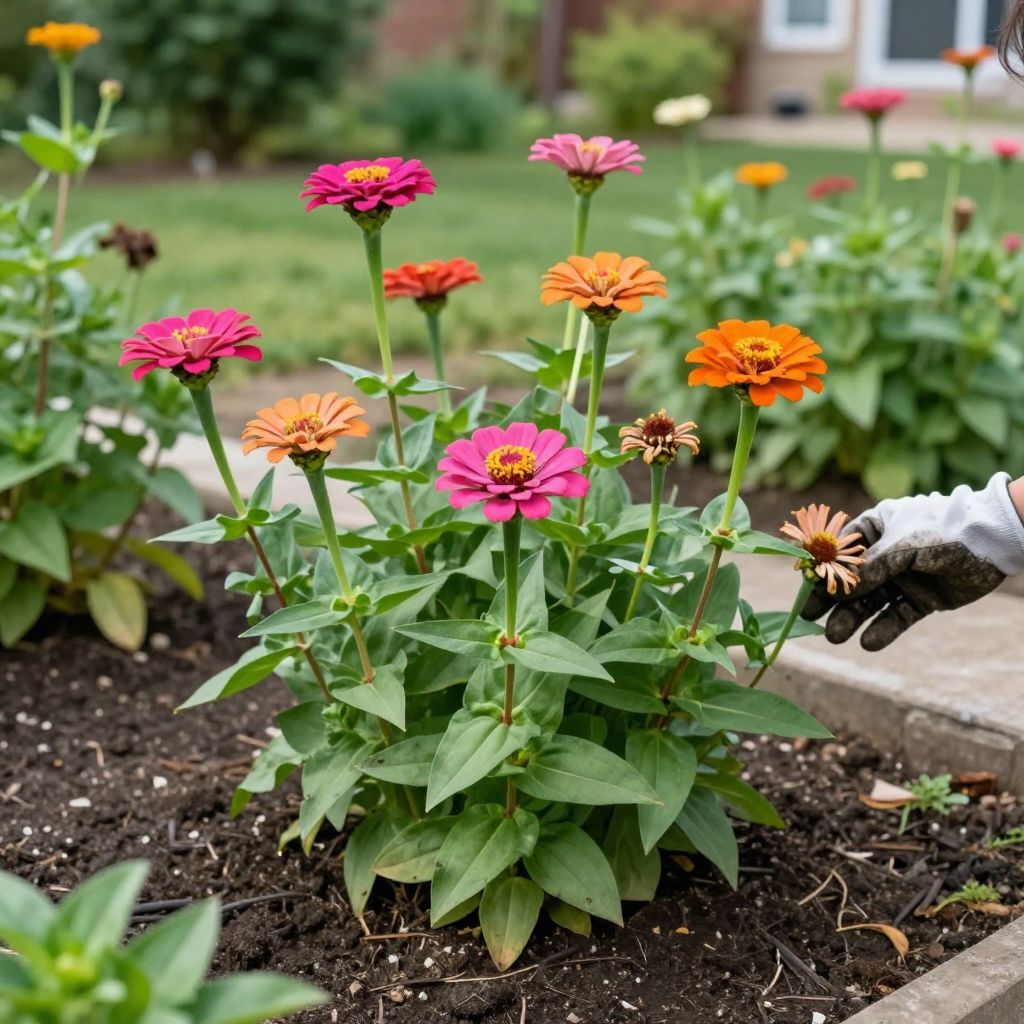
Are zinnia perennials? If you love their bright, long-blooming flowers, it’s a smart question to ask before you plan a bed or border. The short answer matters because zinnias behave very differently from true perennials in most gardens.
Zinnias are usually grown as annuals, not perennials. Most garden zinnias, including Zinnia elegans, complete their life cycle in one season and are killed by frost. In warm climates they may keep blooming until cold weather arrives, but they do not reliably return year after year from the same plants.
Are zinnias perennials?
Zinnias are generally annual flowers. They germinate, grow, bloom, set seed, and die within one growing season. In frost-free regions they may live longer, but they are still treated as annuals because they are not dependable returners like true perennials.
Why zinnias are usually grown as annuals
Most zinnias are native to warm regions and are sensitive to cold. A hard frost usually ends the plant, and even mild chill can reduce vigor and flowering. That’s why gardeners sow fresh seed each year rather than waiting for established clumps to come back.
What “annual” means in the garden
An annual plant is one that finishes its life cycle in one season. With zinnias, that means you get a full display in summer and early fall, then you replant the following year.
What about zinnias in warm climates?
In frost-free areas, zinnias may behave like short-lived tender perennials, but they still tend to decline with age, disease pressure, or heat stress. Even where winters are mild, many gardeners reseed them for stronger, cleaner plants.
How to grow zinnias for the best flowers
Zinnias are easy to grow when you give them sun, warmth, and good airflow. They are one of the best flowers for beginners because they grow quickly from seed and bloom for weeks if you keep them healthy.
Sunlight
Give zinnias full sun for the best flowering. Aim for at least 6 to 8 hours of direct light daily. In partial shade, plants may become leggy and produce fewer blooms.
Soil and drainage
Zinnias prefer soil that drains well. Heavy, waterlogged soil encourages root problems and foliar disease. If your soil is dense clay, work in compost to improve structure, but avoid making it overly rich or soggy.
- Use loose, well-drained garden soil or raised beds if drainage is poor.
- Mix in compost to improve texture and moderate fertility.
- Avoid low spots where water collects after rain.
Planting from seed
Zinnias are usually direct-sown outdoors after frost danger has passed and the soil has warmed. They dislike cold soil and often stall if planted too early. If you start them indoors, handle seedlings carefully because they do not like root disturbance.
- Sow seeds about 1/4 inch deep.
- Space them according to the mature size of the variety.
- Keep the soil evenly moist until germination.
- Thin seedlings so air can move between plants.
Watering
Water zinnias deeply, then let the soil surface dry slightly before watering again. Consistently wet leaves and crowded plants invite disease, so water at the base when possible. Young plants need steadier moisture than established ones.
Feeding
Use compost or a balanced, moderate fertilizer if your soil is poor, but avoid overfeeding with nitrogen. Too much nitrogen can produce lush leaves and fewer flowers. Zinnias usually bloom best in average soil rather than heavily amended beds.
Care tips that help zinnias bloom longer
A few simple maintenance habits can keep zinnias flowering well through the season. These flowers respond quickly to deadheading and regular harvesting, so the more you pick, the more they often produce.
Deadhead spent blooms
Remove faded flowers to encourage more buds. Cut just above a set of leaves or a side shoot. If you want seed, leave a few blooms to mature at the end of the season instead of deadheading everything.
Pinch young plants if needed
For bushier plants, pinch the growing tip when seedlings are still small and have several sets of leaves. This can increase branching and flower count, especially in taller varieties.
Stake tall varieties
Some zinnias grow tall enough to flop in wind or heavy rain. Use discreet stakes or grow them where nearby plants can provide support. Good spacing also helps stems stay stronger.
Common zinnia problems and how to fix them
Zinnias are tough, but they do have a few common issues. Most problems are easier to prevent than to cure, so focus on airflow, clean watering, and removing diseased foliage early.
Powdery mildew
This is one of the most common zinnia diseases, especially in humid weather or crowded plantings. It appears as a white, dusty coating on leaves. To reduce it, space plants well, avoid overhead watering, and remove badly affected leaves.
Leaf spots and blight
Spots on leaves can come from fungal or bacterial problems, often made worse by wet foliage. Water at the soil line, clean up fallen leaves, and avoid working in plants when they are wet.
Aphids and other pests
Aphids may cluster on tender growth and flower buds. A strong spray of water can dislodge small infestations. If needed, use insecticidal soap according to the label and repeat as directed.
Weak stems and poor blooming
If zinnias grow tall and floppy with few flowers, they may be getting too much shade, too much nitrogen, or too little spacing. Move future plantings to a sunnier spot and avoid heavy fertilizing.
Can you save zinnias from year to year?
You usually cannot overwinter zinnias outdoors in cold climates because frost kills them. The easiest way to keep them in your garden is to collect seed and sow again next season. That is the standard approach for most home gardeners.
Saving seed
Let a few healthy flower heads dry fully on the plant. When the petals fade and the center becomes dry and brown, harvest the seed head and finish drying it indoors in a cool, dry place. Store seed in a labeled envelope or container.
- Choose seed from healthy, vigorous plants.
- Dry seed thoroughly before storing.
- Keep it cool, dry, and out of direct light.
Why saved seed may vary
If you grow open-pollinated zinnias, saved seed may produce plants that differ somewhat from the parent plant. That can be fun, but if you want a very specific flower form or color, buy fresh seed of that variety each year.
Best uses for zinnias in the landscape
Zinnias are excellent for borders, cutting gardens, pollinator beds, and sunny containers. Their bright colors and long bloom time make them useful wherever you want steady summer color.
In beds and borders
Plant zinnias in groups for a bold display. Taller types work well toward the back of a border, while compact varieties fit edging and small spaces.
In containers
Choose dwarf or compact zinnias for pots, and make sure containers drain well. Container plants dry out faster than in-ground plants, so check moisture more often during hot weather.
As cut flowers
Harvest zinnias when blooms are fully open but still fresh. Cut stems early in the morning and place them in clean water right away. Regular cutting helps many varieties keep producing.
Practical mistakes to avoid
Most zinnia failures come from a few common missteps. Avoiding these will make your plants healthier and your flowers more abundant.
- Planting too early in cold soil
- Overcrowding seedlings and blocking airflow
- Watering overhead late in the day
- Overfertilizing with high-nitrogen products
- Ignoring spent blooms and letting plants slow down too soon
Conclusion
Zinnias are not true perennials in most gardens, but they are easy to enjoy year after year by reseeding them each spring. If you want the best results, give them full sun, well-drained soil, and enough space to breathe. Then save a few seeds from your healthiest plants for next season.
If you want to keep building a colorful summer garden, you may also enjoy reading about how to grow annual flowers from seed and best full-sun plants for pollinators.