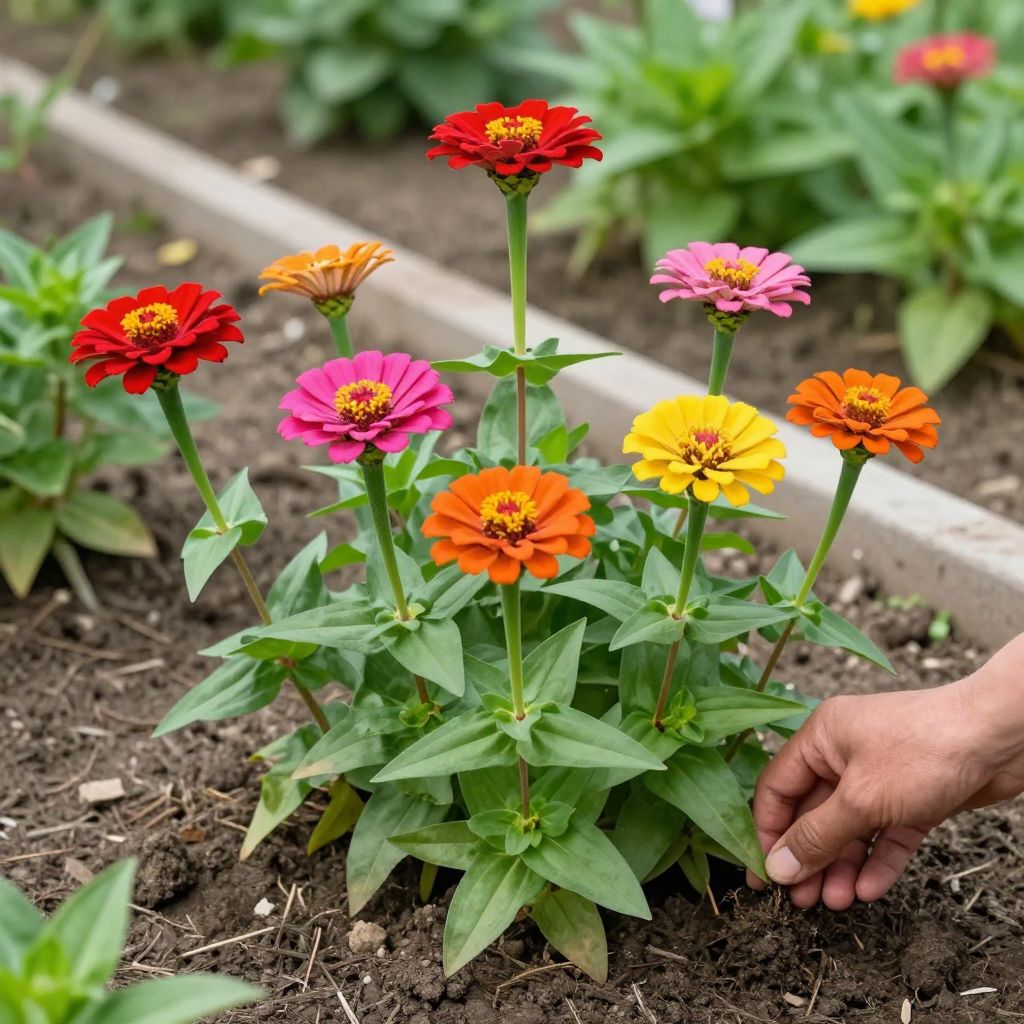
Are zinnias perennial? If you’re hoping the same plants will return year after year, the short answer is no in most gardens. Zinnias are usually grown as annuals because they are not frost-tolerant and complete their life cycle in one season in cool or temperate climates.
That said, you can still enjoy them for a long stretch each year, save seed from favorite flowers, and sometimes keep them going longer in warm climates or protected spaces. Here’s how zinnias really grow, and how to get the best performance from them.
Are zinnias perennial?
Zinnias are generally annuals, not true perennials. Most popular garden zinnias, especially Zinnia elegans, grow from seed, flower heavily in warm weather, and die when frost arrives. In frost-free climates, they may behave like short-lived tender perennials, but they still usually decline after a season or two.
Why zinnias are usually treated as annuals
Zinnias come from warm regions and love heat. They grow quickly, bloom fast, and set seed in one season, which is why gardeners often use them for instant color in beds, borders, and containers.
Frost is the main limitation
Even a light frost can blacken zinnia foliage and end the plant’s life. If you garden in a region with cold winters, zinnias will not survive outdoors year-round.
Heat helps them thrive
Zinnias perform best in warm soil and full sun. They often struggle in cool, damp conditions, which is another reason they are not dependable as long-term perennial plants.
Can zinnias come back on their own?
Sometimes zinnias will self-seed if you let the flowers dry on the plant and drop seed. In mild climates, volunteer seedlings may appear the following year. These are not the same as a perennial root system returning, but they can create the effect of “coming back.”
What self-seeding looks like
- Spent blooms dry and form seed heads.
- Seeds fall near the parent plant or are spread by wind and birds.
- Seedlings may appear in spring or early summer when soil warms.
Self-seeded zinnias are often a little unpredictable. They may be smaller, later, or different in color from the parent plant if the original was a hybrid.
How to grow zinnias for the longest season
Even though zinnias are not perennial, you can keep them blooming for months with the right care. The goal is steady growth, good airflow, and regular deadheading.
1. Choose a sunny site
Zinnias need full sun, ideally at least 6 to 8 hours a day. In partial shade, they may stretch, bloom less, and become more prone to mildew.
2. Plant in well-drained soil
These flowers dislike soggy roots. Use soil that drains well and has some organic matter mixed in, such as compost, but avoid making the bed overly rich and heavy. If your soil stays wet after rain, consider raised beds or containers with drainage holes.
3. Water at the base
Water deeply when the soil begins to dry, especially during dry spells. Try to keep foliage dry, because wet leaves can encourage disease. Morning watering is often best since leaves dry faster during the day.
4. Space plants for airflow
Good spacing helps reduce powdery mildew and leaf spot. Follow the spacing on the seed packet or plant label, and avoid crowding in humid climates.
5. Deadhead regularly
Removing faded flowers encourages more blooms. Cut or pinch spent stems back to a healthy leaf set or side shoot. This keeps the plant focused on flowering instead of seed production.
Best conditions for healthy zinnias
Zinnias are easygoing when their basic needs are met. If you want strong plants and long bloom time, pay attention to these growing conditions.
- Sun: Full sun is best.
- Soil: Loose, fertile, and well drained.
- Water: Even moisture, but never waterlogged soil.
- Airflow: Important for disease prevention.
- Temperature: Warm weather supports the best growth.
If your summers are short, start seeds indoors only if you can give seedlings bright light and a gentle transition outdoors. In warm regions, direct sowing is often simpler and produces sturdy plants.
How to keep zinnias blooming longer
Zinnias are famous for continuous bloom, but they need a little maintenance to stay productive.
- Start with healthy plants or fresh seed. Old seed may germinate poorly.
- Pinch young plants if needed. This can encourage branching on some varieties.
- Deadhead often. Remove fading flowers before they form seed.
- Harvest flowers regularly. Cutting blooms for bouquets also promotes more flowering.
- Watch for stress. Heat, drought, and mildew can shorten the bloom period.
Common zinnia problems and how to fix them
Powdery mildew
This is one of the most common zinnia issues, especially in humid weather or crowded plantings. It appears as a white, dusty coating on leaves.
- Improve spacing and airflow.
- Water at soil level, not overhead.
- Remove badly affected leaves if needed.
- Clean up plant debris at season’s end.
Leaf spot and rot
Fungal problems often show up when leaves stay wet or soil drains poorly. Avoid planting in low, soggy spots and do not mulch so heavily that the crown stays damp.
Aphids and other pests
Aphids may cluster on tender growth and flower buds. A strong spray of water can knock them off, and beneficial insects often help keep them in check. Check undersides of leaves regularly.
Weak stems
If zinnias flop over, they may be growing in too much shade, too much nitrogen, or too little space. Give them more sun and avoid overfeeding with high-nitrogen fertilizer.
Can you overwinter zinnias indoors?
In most cases, zinnias are not practical houseplants. They are fast-growing, sun-loving annuals that usually decline indoors because light levels are too low and the plants become weak or leggy.
If you want to preserve a favorite zinnia, collecting seed is usually the best option. You can also take note of the plant’s color, height, and bloom form so you can choose similar varieties next season.
How to save zinnia seed
Seed saving is one of the easiest ways to keep zinnias in your garden year after year without relying on the original plant surviving winter.
- Let a few blooms mature fully on the plant.
- Wait until the flower head dries and the petals fade.
- Remove the seed head and let it dry further indoors if needed.
- Separate the seed from the dried head.
- Store seed in a cool, dry place in a labeled envelope or container.
Keep in mind that seed from open-pollinated varieties is more likely to resemble the parent plant. Hybrids may produce mixed results.
Using zinnias in the landscape
Because they are annuals, zinnias are best used for seasonal color rather than permanent structure. They work well in borders, cutting gardens, pollinator beds, and containers.
- Plant them in front of taller shrubs or perennials for a bright summer layer.
- Use compact varieties in pots and window boxes.
- Mix them with other sun-loving annuals for continuous color.
- Cut flowers often to keep plants tidy and blooming.
If you want a garden that looks full for months, zinnias are excellent companions to longer-lived perennials, even though the zinnias themselves will need replanting each year.
What to remember about zinnia lifespan
Zinnias are not perennial in the usual gardening sense. They are warm-season annuals that bloom fast, love sun, and die with frost. In frost-free areas, they may persist longer, but they still are not dependable long-term perennials.
The best way to enjoy them is to plant them in warm weather, give them full sun and good drainage, deadhead often, and save seed for next year. If you want more seasonal gardening guidance, you may also want to read about zinnia growing care and zinnia problems and care.