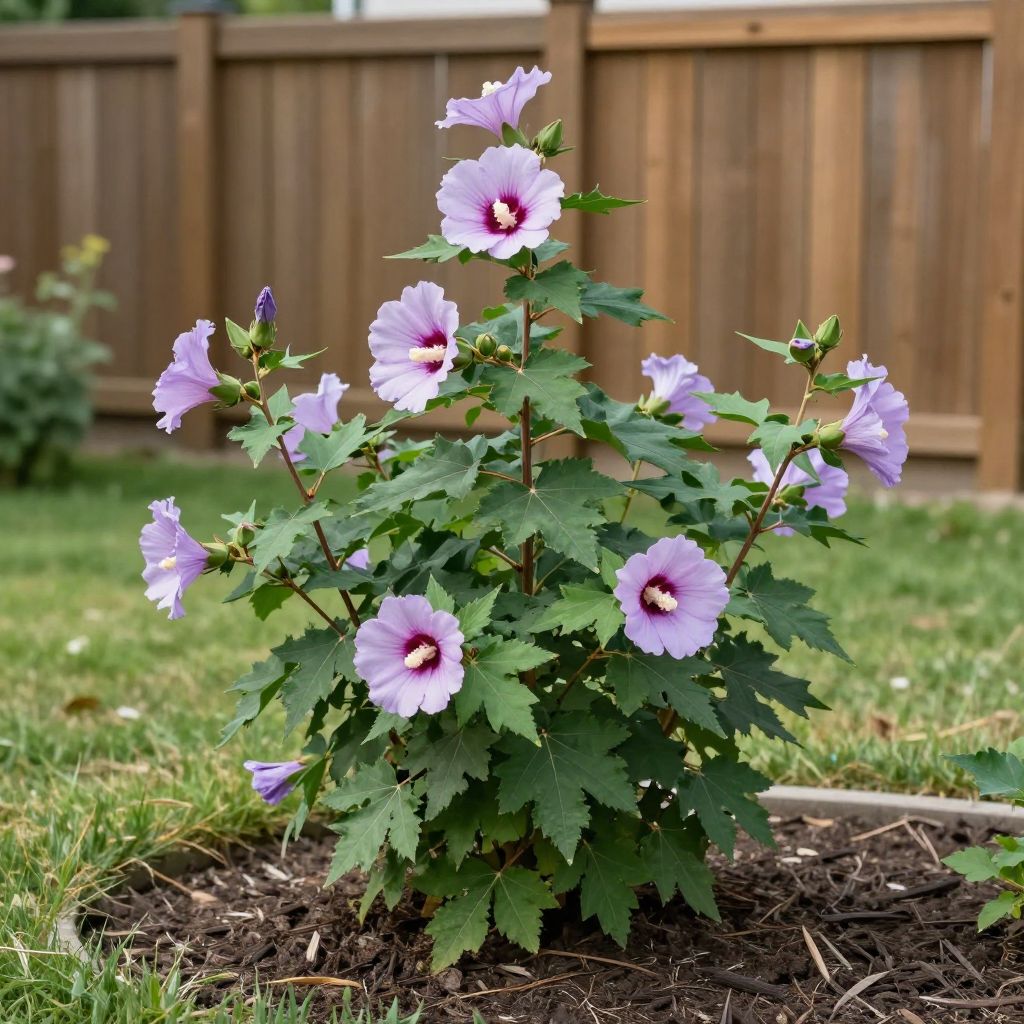
Wondering when do rose of sharon bloom in your garden? The short answer is that Rose of Sharon (Hibiscus syriacus) usually flowers in mid to late summer, often from July through September, depending on your climate, variety, and growing conditions.
If your shrub is healthy but not blooming on schedule, the cause is often sunlight, pruning timing, or stress from drought, poor soil, or transplant shock. A few simple adjustments can make a big difference.
When do rose of sharon bloom?
Rose of Sharon typically blooms in mid- to late summer, with flowers opening on new growth that develops during the current season. In warm areas, bloom may begin earlier; in cooler regions, it often starts later and can continue into early fall if the weather stays warm.
What affects bloom timing?
Several growing conditions influence exactly when your shrub flowers. The plant’s age, sunlight, pruning, and local weather all matter, and young plants may bloom later or less heavily than established shrubs.
Climate and region
In warmer climates, rose of sharon often starts blooming sooner and may flower for a longer stretch. In cooler climates, the shrub may not begin until late summer, especially after a slow spring or a cool early summer.
Sunlight
Full sun produces the best bloom display. Rose of Sharon can survive partial shade, but fewer hours of direct sun usually means fewer flowers and a later start to the season.
Plant maturity
Young shrubs sometimes spend their first year or two building roots before they bloom heavily. Once established, they usually become more reliable summer bloomers.
Pruning timing
Because rose of sharon blooms on new wood, pruning at the wrong time can remove the growth that would have produced flowers. Heavy pruning in spring can delay blooming, while pruning in late winter or very early spring is usually safer if shaping is needed.
What rose of sharon needs to bloom well
To encourage timely flowering, give the shrub conditions that support steady growth rather than stress. Healthy plants bloom more predictably and often produce more buds over a longer period.
Best growing conditions
- Sun: At least 6 hours of direct sun daily is ideal.
- Soil: Well-drained soil with moderate fertility.
- Moisture: Even moisture, especially during establishment and dry spells.
- Air circulation: Enough space to reduce disease pressure.
Soil and compost
Rose of Sharon adapts to many soils, but it performs best in soil that drains well and holds some organic matter. If your soil is heavy clay or very sandy, mixing in compost can improve structure and help roots grow steadily.
A 2- to 3-inch layer of compost spread over the root zone can support growth. Keep mulch and compost a few inches away from the trunk to reduce rot and pest problems.
Watering
Newly planted shrubs need consistent moisture while roots establish. After that, rose of sharon is fairly drought tolerant, but extended dry periods can reduce flower production and shorten bloom time.
Water deeply rather than lightly sprinkling the surface. Deep watering encourages roots to grow downward, which helps the plant handle summer heat better.
How to tell if your rose of sharon is about to bloom
As the season warms, look for fresh shoots and plump buds forming along the new stems. Buds usually appear after the shrub has put on a good flush of new growth.
- New leaves are actively expanding.
- Stem tips look fuller and less pointed.
- Small round buds begin to form in leaf axils.
- The plant has not been heavily pruned recently.
If you see vigorous leafy growth but no buds, the shrub may be getting too much shade, too much nitrogen, or too much pruning at the wrong time.
Why a rose of sharon may not bloom
When a shrub refuses to flower on time, the issue is usually cultural rather than permanent. Most bloom problems can be traced to one of a few common causes.
Too much shade
Without enough sun, the plant may grow leaves well but produce few flowers. If possible, improve light by thinning nearby branches or consider transplanting younger shrubs to a sunnier site.
Late or heavy pruning
Pruning after new growth has started can remove developing flower buds. If you need to shape the plant, do it in late winter or very early spring before growth begins.
Excess fertilizer
Too much nitrogen can push leafy growth at the expense of flowers. If your plant is lush but not blooming, avoid high-nitrogen lawn fertilizer drifting into the root zone.
Drought stress
Dry soil during bud formation can reduce flower count and cause buds to drop. A mulch layer and deep watering during dry spells can help maintain bloom performance.
Transplant shock
Recently moved shrubs may skip or reduce blooming while roots recover. This is common and often resolves once the plant re-establishes in the new location.
Pruning for better blooms
Rose of Sharon responds well to pruning, but timing matters. Since flowers form on new wood, the goal is to shape the plant without removing the shoots that will carry buds later in the season.
When to prune
- Best time: Late winter or very early spring, before new growth starts.
- Avoid: Mid- to late spring pruning, when buds may already be developing.
- Light cleanup: Remove dead, damaged, or crossing branches anytime you notice them.
How to prune
- Remove dead or weak stems first.
- Thin crowded branches to improve air flow.
- Shorten overly long stems to shape the shrub.
- Step back and keep the natural vase-like shape in mind.
For older shrubs, rejuvenation pruning can be done gradually over a few seasons rather than all at once. That approach helps preserve bloom while improving the plant’s structure.
Common pests and diseases that can affect flowering
Rose of Sharon is generally tough, but stress from pests or disease can reduce bloom quality. Catching problems early helps the shrub stay vigorous enough to flower on schedule.
Pests to watch for
- Aphids: Can cluster on tender growth and distort buds.
- Japanese beetles: May chew leaves and weaken the plant.
- Whiteflies or scale: Less common, but possible on stressed shrubs.
Check the undersides of leaves and the tips of new growth if buds seem slow to develop. A strong spray of water can dislodge small infestations, and hand-picking is often enough for larger insects like beetles.
Diseases and stress issues
Leaf spot, root stress from poor drainage, and powdery mildew can all reduce plant vigor. While these problems do not always stop blooming completely, they can make the shrub less productive and less attractive.
To reduce disease pressure, avoid crowding the shrub, water at the base rather than overhead when possible, and keep the planting area clear of dense weeds or debris.
How to encourage longer bloom time
Once blooming begins, you can help the shrub keep flowering by reducing stress and supporting steady growth. The goal is not to force constant bloom, but to keep the plant healthy enough to continue producing buds.
- Water during dry spells, especially in hot weather.
- Keep the root zone mulched to conserve moisture.
- Avoid heavy pruning after buds appear.
- Do not overfeed with high-nitrogen fertilizer.
- Remove spent flowers only if you want a tidier look; deadheading is optional.
In many gardens, rose of sharon will bloom for several weeks, and sometimes longer if temperatures remain warm and the plant is not stressed.
Planting tips for stronger future blooms
If you are planting a new rose of sharon, good placement from the start makes future flowering much easier. Choose a site carefully, because established shrubs are not always easy to move.
Where to plant
Select a spot with full sun and room for the mature size of the shrub. Good air circulation helps prevent fungal issues, and enough space makes pruning easier later on.
How to plant
- Dig a hole as deep as the root ball and about twice as wide.
- Loosen compacted soil around the planting area.
- Set the shrub so the top of the root ball is level with the soil surface.
- Backfill with native soil and water thoroughly.
- Mulch lightly, keeping mulch away from the trunk.
During the first growing season, focus on root establishment rather than forcing flowers. A well-rooted shrub will usually bloom better in later seasons.
Frequently asked bloom questions
Does rose of sharon bloom all summer?
It can bloom for much of summer, but not always continuously. Flowering often comes in waves, with fresh buds opening over several weeks.
Will a shaded rose of sharon bloom?
It may bloom, but usually less heavily and later than one grown in full sun. If flowering is poor, more light is often the best fix.
Should I fertilize to get more blooms?
Only if the soil is poor or the plant shows slow growth. Too much fertilizer, especially nitrogen-rich types, can reduce flowering instead of improving it.
Why did my shrub bloom late this year?
Cool spring weather, late pruning, transplant shock, or a shady location can all delay bloom. In many cases, the plant will return to its usual schedule once conditions improve.
Conclusion
So, when do rose of sharon bloom? In most gardens, expect flowers from mid to late summer, with timing shaped by sun, climate, pruning, and plant health. If your shrub is slow to bloom, check its light, watering, and pruning history, then adjust those basics for the next season.
If you want to keep improving your shrub care, it can also help to read more about pruning flowering shrubs and choosing the best sunny spots for landscape plants.