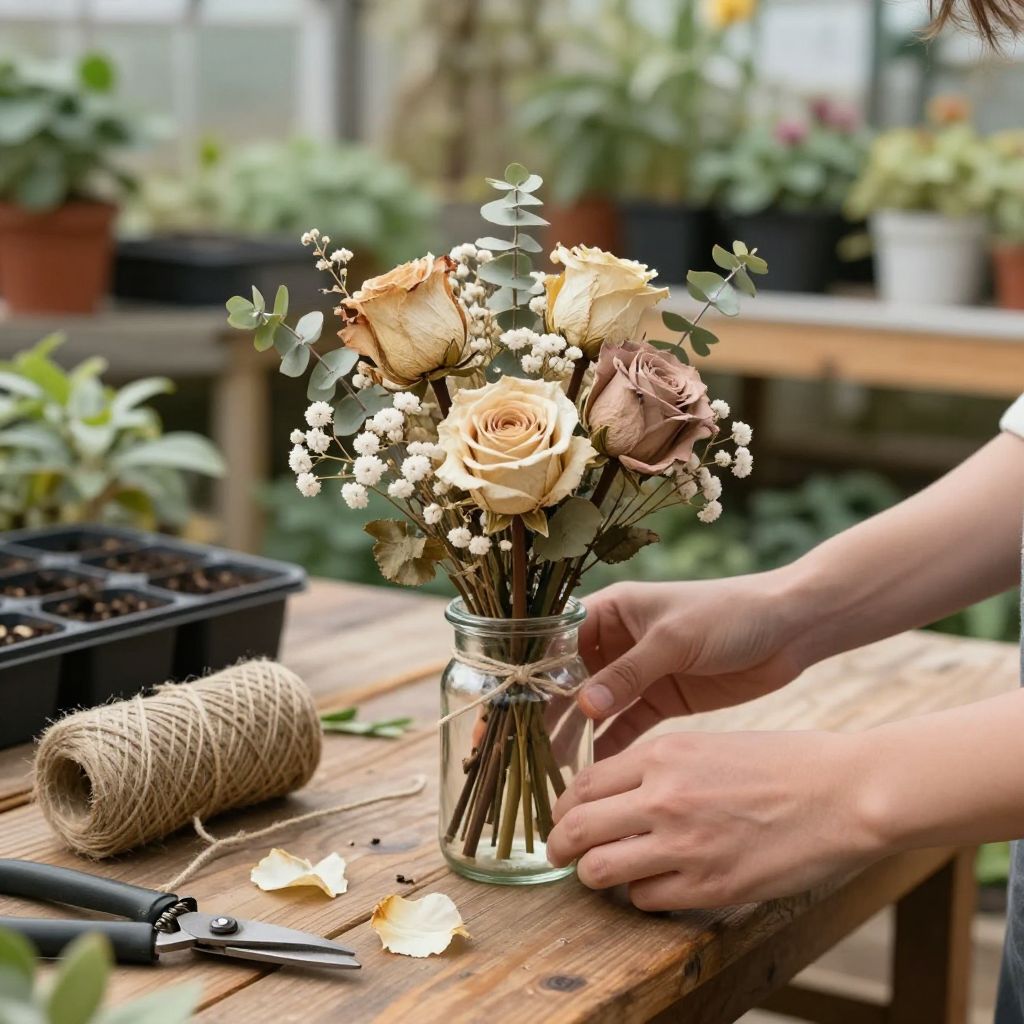
If you’re asking, “What are preserved flowers?” you’re probably seeing bouquets that look fresh but seem too perfect to be real. Preserved flowers are real blooms that have been treated after harvest so they keep their shape, color, and texture for months or even years with very little care.
They are not the same as dried flowers. Preserved flowers are usually softer, more flexible, and more lifelike, which makes them popular for arrangements, wreaths, and indoor décor. If you want to identify them, store them properly, or use them well in your home, the basics are simple.
What Are Preserved Flowers?
Preserved flowers are natural flowers that have been cut at peak bloom and replaced with a preservation solution, often glycerin-based, so the plant tissue stays supple instead of drying brittle. They are decorative materials, not living plants, and they do not grow, root, or need watering once preserved.
How to Identify Preserved Flowers
Knowing how to tell preserved flowers from fresh or dried ones helps you buy and care for them correctly. A preserved flower usually feels slightly soft, looks vividly colored, and holds a natural petal shape without the crisp, papery texture of a fully dried bloom.
Common visual clues
- Texture: petals feel velvety or slightly flexible, not crunchy.
- Color: often more even and saturated than naturally dried flowers.
- Shape: blooms keep a fuller, fresher-looking form.
- Stems and leaves: may feel firm but less juicy than fresh plant material.
- Weight: usually lighter than fresh flowers but not as fragile as dried stems.
Preserved vs. dried vs. fresh
- Fresh flowers wilt, need water, and last days to weeks.
- Dried flowers lose moisture naturally and become crisp and brittle.
- Preserved flowers are treated to maintain a softer, longer-lasting appearance.
How Preserved Flowers Are Made
Most preserved flowers are made by replacing the plant’s natural moisture with a preserving liquid after harvest. The exact method varies by flower type and producer, but the goal is the same: keep the bloom looking fresh without active growth.
Typical preservation methods
- Glycerin replacement: common for foliage and some blooms, keeping tissue pliable.
- Absorption treatment: stems draw in preservative solution after cutting.
- Color enhancement: some preserved flowers are lightly dyed for consistency.
This is why preserved flowers are best thought of as a finished floral product rather than a garden plant. You can display them, but you do not plant them in soil or try to revive them like cut flowers in a vase.
Best Uses for Preserved Flowers in the Home and Garden
Preserved flowers are useful when you want long-lasting color with minimal maintenance. They work especially well in indoor spaces where direct sun, humidity, and frequent handling are limited.
Good places to use them
- Table centerpieces
- Wreaths and wall décor
- Shadow boxes and framed arrangements
- Wedding or event displays
- Low-light rooms where fresh flowers fade quickly
They are less suitable for outdoor use. Rain, wind, and intense sunlight can shorten their life quickly, so keep them under cover if you want them to last.
Caring for Preserved Flowers
Preserved flowers need very little care, but they do need the right environment. The main goal is to protect them from moisture, direct sun, and rough handling, all of which can damage the preserved tissue.
Simple care routine
- Place them in a dry indoor spot away from windows with strong sun.
- Keep them out of bathrooms, laundry rooms, and other humid areas.
- Dust gently with a soft brush or a cool, low-air setting on a hair dryer held well back.
- Handle stems and petals as little as possible.
- Store unused arrangements in a box away from heat and moisture.
Never water preserved flowers. Water can cause staining, softening, mold, and structural collapse. If you want a vase display, use a dry vase or container, not a water-filled one.
Where Preserved Flowers Fit in Gardening and Floral Design
Although preserved flowers are not living garden plants, they are still useful in gardening-inspired design. You can combine them with dried seed heads, evergreen cuttings, or other long-lasting materials for seasonal displays that reflect your garden style indoors.
Design ideas that work well
- Mix preserved blooms with dried grasses for texture.
- Use them in small arrangements where fresh flowers would be impractical.
- Choose shades that echo your garden palette, such as soft pinks, creams, or muted greens.
- Pair them with natural containers like ceramic, wood, or woven baskets.
If you enjoy making arrangements from garden materials, preserved flowers can extend the look of your seasonal displays long after the outdoor bloom period ends.
Can You Grow Preserved Flowers in the Garden?
No. Preserved flowers are no longer living plants, so you cannot plant them in the ground or pot them up to grow. If you want flowers with a similar look in the garden, choose fresh-cut species that preserve well after harvest or flowers that dry attractively on the stem.
Better living alternatives
- Roses for classic blooms
- Hydrangeas for large flower heads that dry well
- Statice for reliable drying
- Lavender for fragrant stems
- Strawflowers for papery, long-lasting color
These plants can be grown in the garden and harvested for fresh, dried, or sometimes preserved-style arrangements, depending on the species and post-harvest handling.
Common Problems with Preserved Flowers
Most problems come from the environment, not the flower itself. If a preserved arrangement looks dull, sticky, or misshapen, the issue is usually humidity, sunlight, dust, or rough storage.
Troubleshooting guide
- Fading color: move the arrangement out of direct sun.
- Soft or limp petals: reduce humidity and avoid bathrooms or kitchens.
- Dust buildup: clean gently with a soft brush or cool air.
- Mold or musty smell: discard affected pieces and check storage conditions.
- Cracking or brittleness: the flowers may be too dry or too old for display.
If you live in a humid climate, preserved flowers may have a shorter useful life than they would in a dry region. In that case, keep them in climate-controlled indoor rooms and avoid sealed spaces that trap moisture.
How to Choose Quality Preserved Flowers
When buying preserved flowers, inspect them carefully. Quality varies a lot, and the best-looking arrangements usually start with well-preserved blooms that were handled gently after treatment.
What to look for before buying
- Even color without blotchy staining
- Petals that hold their form
- No visible mold, sticky residue, or dampness
- Minimal shedding when lightly touched
- A clean, neutral smell rather than a sour odor
Ask whether the flowers are preserved, dried, or dyed. That helps you know what care they need and how long they are likely to last.
Practical Tips for Longer Life
A few simple habits can extend the display life of preserved flowers significantly. The biggest threats are heat, sun, moisture, and handling.
- Keep them away from radiators, vents, and sunny sills.
- Do not mist, spray, or wash them.
- Use a stable container so stems are not bent or crushed.
- Rotate arrangements occasionally if one side gets more light.
- Store seasonal décor in a dry box with tissue paper between pieces.
Less handling usually means a longer-lasting arrangement. If you need to move them, support the base or container rather than pulling on petals or stems.
Conclusion: Should You Use Preserved Flowers?
Preserved flowers are a smart choice when you want the look of fresh blooms without daily maintenance. They are best for indoor décor, special displays, and low-care arrangements, but they are not living plants and should be treated as delicate decorative material.
If you want to explore more long-lasting floral options, consider learning how to grow and harvest flowers that dry well, then compare them with preserved blooms for your space and climate.