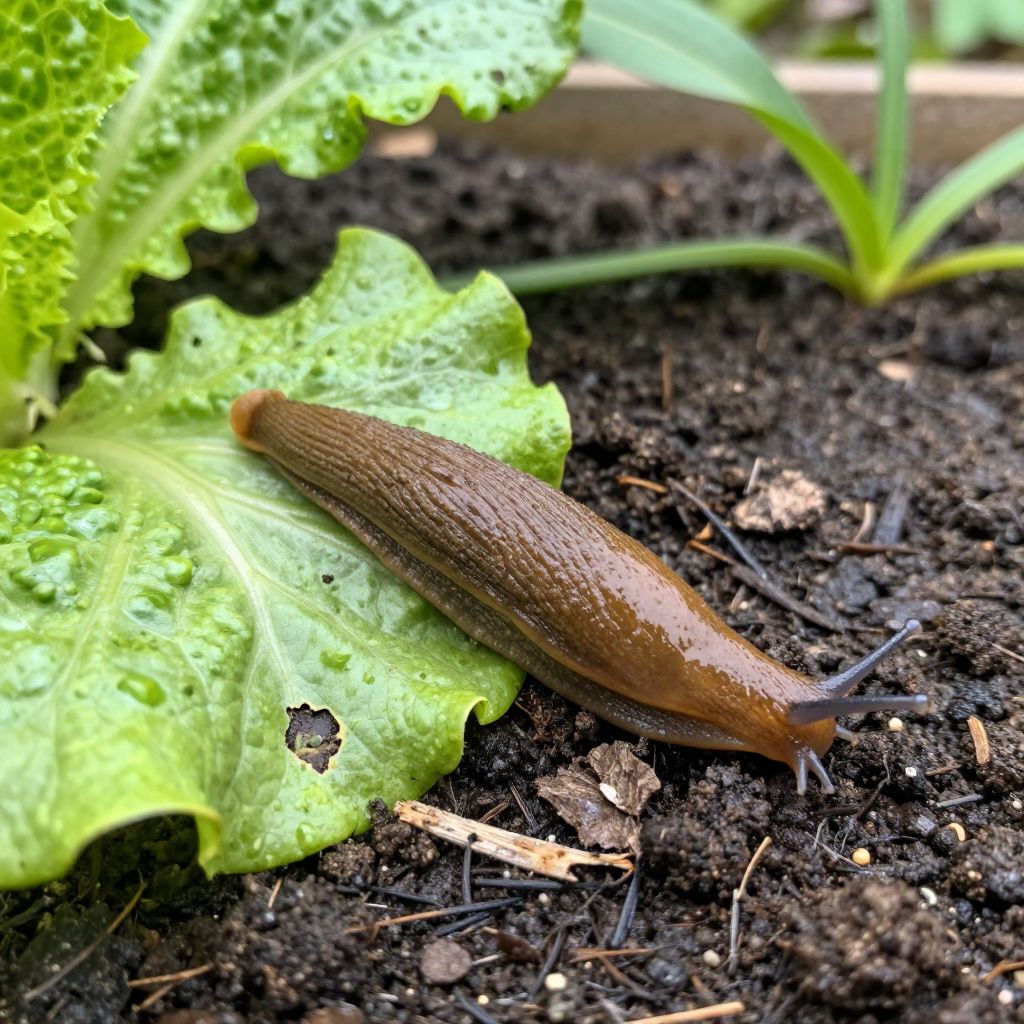
Are slugs good for the garden? In small numbers, yes: they help break down dead plant material and recycle nutrients back into the soil. But when populations rise, slugs quickly become a problem because they feed on tender seedlings, leaves, flowers, and ripening fruit.
The real answer is that slugs are part of a healthy garden ecosystem, but they need to be kept in balance. If you understand what attracts them and how to reduce damage, you can protect plants without trying to eliminate every slug.
Are slugs good for the garden?
Slugs can be beneficial decomposers, especially in compost-rich soil and leaf litter, where they help break down decaying plant matter. However, they are also opportunistic feeders that can chew holes in seedlings, hostas, lettuce, strawberries, and many other soft plants. In most gardens, they are best treated as useful but closely managed wildlife.
What slugs actually do in a garden
Slugs are soft-bodied mollusks that prefer cool, damp conditions. They are most active at night, during cloudy weather, and after rain or heavy watering.
Helpful roles slugs can play
- Decomposition: They feed on decaying leaves, stems, and other organic debris.
- Nutrient cycling: As they break down plant matter, nutrients return to the soil food web.
- Food source: They are prey for birds, beetles, frogs, toads, hedgehogs, and some reptiles.
When slugs become a problem
- They chew young seedlings to the ground.
- They leave irregular holes in leaves and flowers.
- They can scar fruits close to the soil, such as strawberries.
- They may hide in pots, mulch, and dense groundcover, making damage hard to spot early.
Why slugs show up in some gardens more than others
Slug pressure usually increases where conditions stay moist, shaded, and sheltered. Gardens with thick mulch, frequent irrigation, dense groundcover, or lots of hiding places often see more feeding damage.
Common slug-friendly conditions
- Heavy or poorly drained soil
- Overwatering, especially in the evening
- Dense mulch touching stems
- Overgrown beds with little airflow
- Cool, wet spring weather
- Containers with saucers that hold water
If your garden is dry, sunny, and open, slugs may still be present, but they usually cause less damage. The key is not just the number of slugs, but whether your plants are vulnerable and your site is inviting them in.
How to tell if slugs are the culprit
Slug damage is often mistaken for insect damage or disease. Look for the feeding pattern and the time of day the damage appears.
Signs of slug feeding
- Large, irregular holes with smooth edges
- Shredded or ragged leaves on tender plants
- Silvery slime trails on leaves, pots, stones, or soil
- Damage that appears overnight or after wet weather
- Seedlings cut down at soil level
Inspect plants early in the morning or after dusk with a flashlight. Slugs often hide under boards, pots, stones, and leaf litter during the day.
How to manage slugs without harming your garden
The best slug control is a combination of prevention, habitat changes, and targeted removal. That approach protects plants while keeping the garden healthier overall.
1. Make the garden less welcoming
- Water in the morning so the surface dries before night.
- Improve drainage in beds that stay soggy.
- Keep mulch a few inches away from stems and crowns.
- Thin crowded plantings to improve airflow.
- Remove boards, pots, and debris that create daytime shelter.
2. Protect the plants slugs love most
Seedlings and soft-leaved plants are the most vulnerable. Use collars, cloches, or fine mesh covers for young transplants until they are established.
- Place copper tape around pots or raised-bed edges if you want a physical barrier.
- Use slug-resistant planting choices in the most exposed spots.
- Start tender crops indoors or in protected trays when possible.
Important: barriers work best when they are clean, continuous, and dry. A gap, bent edge, or mulch bridge can make them ineffective.
3. Hand-pick at the right time
For small gardens, hand-picking is one of the simplest and most effective methods. Go out after dark or early in the morning, when slugs are active.
- Check under leaves, pots, boards, and stones.
- Pick slugs into a container of soapy water or remove them from the garden.
- Repeat several nights in a row during peak activity.
4. Use traps carefully
Beer traps and similar devices can catch slugs, but they are not a complete solution. They may attract slugs from nearby areas, so use them as one tool, not the only one.
- Set traps level with the soil surface.
- Empty and refresh them often.
- Place them away from prized seedlings if possible.
5. Encourage natural predators
A garden with birds, beetles, amphibians, and other wildlife often has fewer slug problems over time. Avoid broad-spectrum pesticides that harm beneficial organisms.
- Provide water and shelter for wildlife where appropriate.
- Leave some habitat diversity nearby.
- Minimize unnecessary disturbance in the garden.
What not to do when controlling slugs
Some common slug-control habits cause more harm than good. Avoid quick fixes that damage soil health or create new problems.
- Do not overwater just because plants look stressed; check soil moisture first.
- Do not pile mulch tightly against stems and crowns.
- Do not rely on one trap or one treatment and expect lasting control.
- Do not use products indiscriminately around pets, wildlife, or edible crops without reading the label carefully.
Which plants are most at risk?
Slugs tend to prefer soft, tender growth over tough, woody foliage. They often target young plants before they are established.
Commonly damaged plants
- Lettuce and other salad greens
- Hostas
- Beans and peas
- Strawberries
- Marigolds and many bedding plants
- Young brassicas such as cabbage and kale
Plants that often tolerate slug pressure better
- Many herbs with aromatic foliage
- Established woody shrubs
- Plants with tougher or fuzzy leaves
Even “slug-resistant” plants can be damaged when they are young, stressed, or growing in very damp conditions. Protection matters most during establishment.
Seasonal slug management tips
Slug activity changes with weather and plant growth, so timing your control efforts can make a big difference.
Spring
Spring is often the most damaging season because seedlings are tender and weather is cool and wet. Check new growth frequently and protect transplants early.
Summer
In dry weather, slug pressure often drops, but shaded beds, irrigated borders, and containers can still have problems. Water early, not late, and keep an eye on lush growth after rain.
Autumn
As temperatures cool and moisture returns, slugs may become active again. Clean up fallen leaves and protect late crops and overwintering seedlings.
Winter
In mild climates, slugs may remain active whenever the soil is unfrozen. In colder areas, they shelter in protected spots and reappear when conditions improve.
How to keep the garden balanced long term
The goal is not to create a slug-free garden. It is to grow strong plants in a garden that does not favor slug outbreaks.
- Build healthy soil with plenty of organic matter, but avoid waterlogging.
- Use raised beds or improved drainage in chronically wet areas.
- Choose the right plant for the right spot, especially in shady borders.
- Inspect vulnerable plants regularly instead of waiting for severe damage.
- Combine several small control methods rather than depending on one fix.
Conclusion: should you welcome slugs or fight them?
Slugs are neither purely good nor purely bad for the garden. They help recycle organic matter, but they can also cause serious plant damage when conditions suit them. If you reduce moisture at the surface, remove shelter, protect seedlings, and monitor problem areas, you can keep slugs in check without upsetting the garden’s natural balance.
For more practical garden care advice, you may also want to read related guides on protecting seedlings from pests and improving soil drainage in wet garden beds.