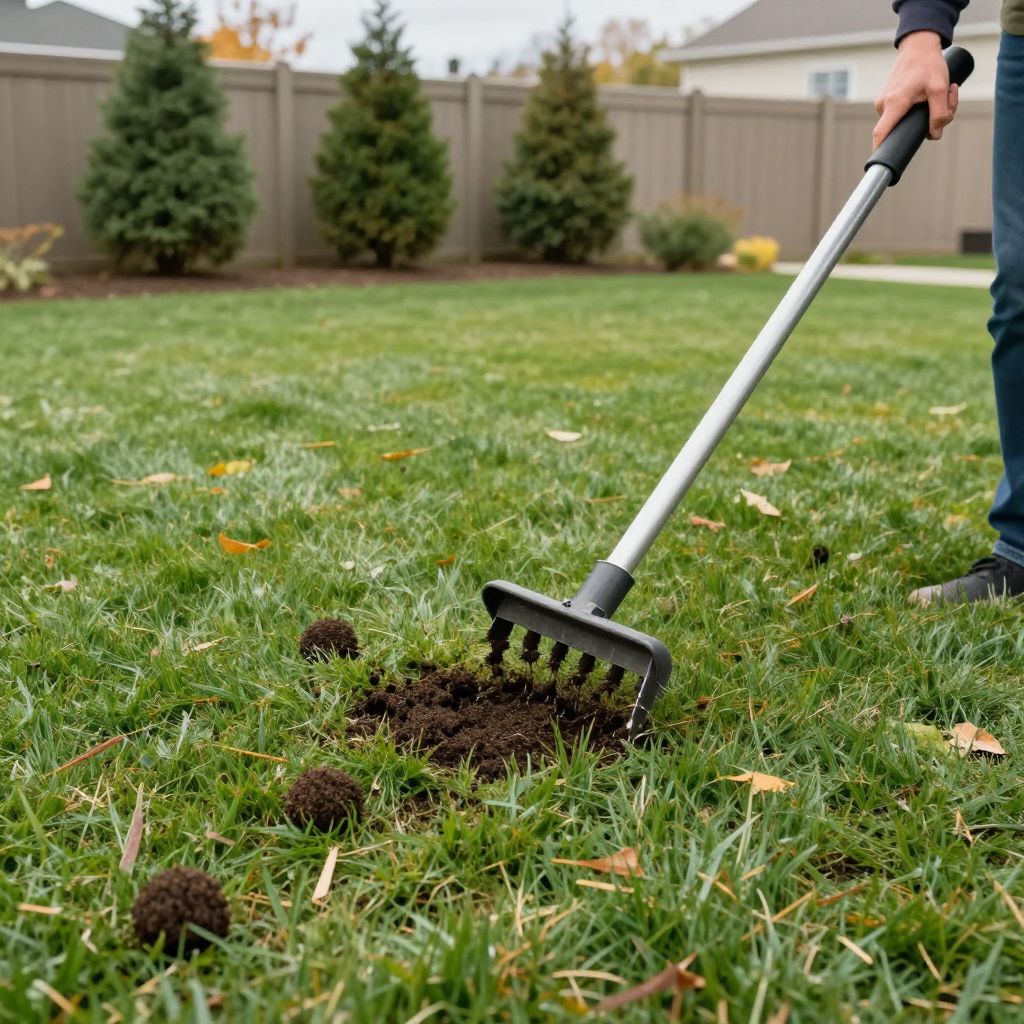
When should you aerate your lawn? The best time depends on your grass type, your climate, and how quickly your soil compacts. In most home lawns, aerating during active growth gives the turf the fastest recovery, while aerating at the wrong time can leave thin, stressed grass vulnerable to weeds and drought.
If your lawn feels hard underfoot, puddles after rain, or looks thin despite regular care, aeration may help. The key is choosing the right season and using the right method so the holes you make actually improve root growth, water movement, and oxygen exchange.
When to aerate your lawn?
The best time to aerate your lawn is when the grass is actively growing and can heal quickly. For cool-season grasses, that is usually early fall or early spring. For warm-season grasses, late spring through early summer is best. Avoid aerating during drought, extreme heat, or when the lawn is dormant.
Why aeration helps lawns
Aeration reduces soil compaction, which makes it easier for air, water, and nutrients to reach the roots. It is especially useful on lawns with heavy foot traffic, clay soil, or a thatch layer that has become too thick.
Healthy turf roots need space, oxygen, and moisture. When soil is packed down, grass may struggle even if you water and fertilize correctly.
Signs your lawn may need aeration
- Water pools or runs off instead of soaking in
- The soil feels hard when you push a screwdriver or probe into it
- Grass thins in high-traffic areas
- Moss, weeds, or patchy growth increase in compacted spots
- Thatch is thick enough to feel spongy at the surface
Best seasonal timing by grass type
Cool-season grasses
Cool-season grasses such as Kentucky bluegrass, perennial ryegrass, tall fescue, and fine fescues usually recover best from aeration in early fall. The soil is still warm, rainfall is often more reliable, and weeds are less aggressive than in spring.
Spring aeration can also work if fall is not possible, but it may encourage weed seeds to germinate along with grass seed. If you aerate in spring, plan to overseed promptly and keep the lawn evenly moist until seedlings establish.
Warm-season grasses
Warm-season lawns such as bermudagrass, zoysiagrass, centipedegrass, and St. Augustinegrass generally respond best to aeration in late spring to early summer, after they have fully greened up and are growing strongly.
This timing gives the lawn the longest recovery window before cooler weather slows growth. Aerating too early, when the grass is just waking up, can delay recovery.
What if you do not know your grass type?
If you are unsure, watch when your lawn is growing fastest. Aerate during that active growth period, not when it is struggling. In mixed lawns or transition zones, local extension guidance can help you choose the safest timing for your area.
How to aerate a lawn properly
For most home lawns, core aeration is the most effective method. A core aerator removes small plugs of soil rather than simply poking holes into the ground. Those openings stay useful longer and relieve compaction more effectively than spike aeration.
Step-by-step aeration process
- Mow the lawn a little shorter than usual, but not scalped.
- Water the lawn lightly 1 to 2 days before aerating so the soil is moist, not soggy.
- Run a core aerator over the lawn in two directions if compaction is severe.
- Leave the soil plugs on the surface to break down naturally.
- Overseed, topdress, or fertilize only if it fits your lawn’s seasonal needs.
- Water afterward to support recovery and seed germination if you overseeded.
How deep should aeration go?
Most lawn aerators remove plugs about 2 to 3 inches deep. That is usually enough for home lawns. If your soil is extremely compacted, repeated aeration over time is often better than trying to solve everything in one pass.
Should you aerate and overseed at the same time?
Yes, in many lawns, aeration and overseeding work very well together. The holes create good seed-to-soil contact, which improves germination and establishment. This is especially useful for thinning cool-season lawns in early fall.
For warm-season lawns, overseeding is less common and depends on the grass species and local climate. If your lawn is already dense, aeration alone may be enough.
When overseeding makes sense
- The lawn has thin or bare patches
- You want to improve density after compaction is relieved
- You are working with a cool-season lawn in a suitable season
- The lawn has been damaged by traffic, pets, or drought
When not to aerate your lawn
There are times when aeration can do more harm than good. If the lawn is dormant, heat-stressed, or waterlogged, it may not recover well. In those conditions, the turf is already under pressure and the open soil can dry out too quickly or become muddy.
Avoid aerating when:
- The grass is dormant or barely growing
- The lawn is suffering from drought stress
- Soil is saturated and sticky
- Weed pressure is extreme and you are not prepared to overseed or manage it
- The lawn is newly seeded and not yet established
New lawns usually need time to root before they can handle aeration. If you are unsure, wait until the turf has filled in and can tolerate light maintenance.
How often should you aerate?
Most healthy home lawns do not need aeration every year. Many benefit from aeration every 1 to 3 years, depending on soil type, traffic, and drainage. Lawns on heavy clay or with frequent foot traffic may need it more often, while sandy or lightly used lawns may need it less.
Rather than following a fixed calendar, check the soil condition. If a screwdriver goes in easily and water soaks in well, your lawn may not need aeration yet.
What to do after aerating
Post-aeration care matters almost as much as the aeration itself. The openings in the soil give you a chance to improve root zone conditions, but the lawn still needs proper follow-up care.
Best aftercare practices
- Water deeply enough to keep the root zone moist, especially if you overseeded
- Keep traffic light for a short period so the soil can settle
- Leave soil plugs on the lawn unless they are very large and unsightly
- Topdress lightly with compost only if your lawn can handle it and the layer stays thin
- Follow local fertilizer rules and your grass’s seasonal needs
If you overseed, consistent moisture is critical until seedlings emerge. If you did not overseed, return to your normal lawn care routine once the turf begins to recover.
Common mistakes to avoid
Many lawn problems after aeration come from timing or technique, not from aeration itself. A few small errors can reduce the benefit or even stress the grass.
- Aerating during the wrong season and slowing recovery
- Using spike aerators on compacted soil and expecting major improvement
- Aerating when the soil is too dry, which makes penetration poor
- Overwatering after aeration and creating muddy, oxygen-poor conditions
- Ignoring drainage or traffic issues that caused compaction in the first place
How to tell if your lawn needs more than aeration
Aeration helps with compaction, but it will not fix every lawn issue. If poor drainage, shade, soil imbalance, or chronic wear is the real problem, you may need a broader plan.
Consider other fixes if you notice:
- Persistent standing water after rain
- Heavy shade from trees or buildings
- Severe thatch buildup
- Repeated bare spots from pets or play areas
- Soil that stays hard even after aeration and watering
In those cases, you may need to improve grading, thin tree canopies, reduce traffic, add compost in thin layers over time, or choose a grass better suited to your site.
Conclusion
When to aerate your lawn comes down to one rule: do it when the grass is actively growing and can recover quickly. For cool-season lawns, that usually means early fall; for warm-season lawns, late spring to early summer is often best. Use core aeration, follow up with good aftercare, and your lawn will have a better chance to thicken and root deeply.
If you want to keep improving your lawn, look next at related care topics such as overseeding, dethatching, and soil improvement so you can match each step to your lawn’s season and condition.