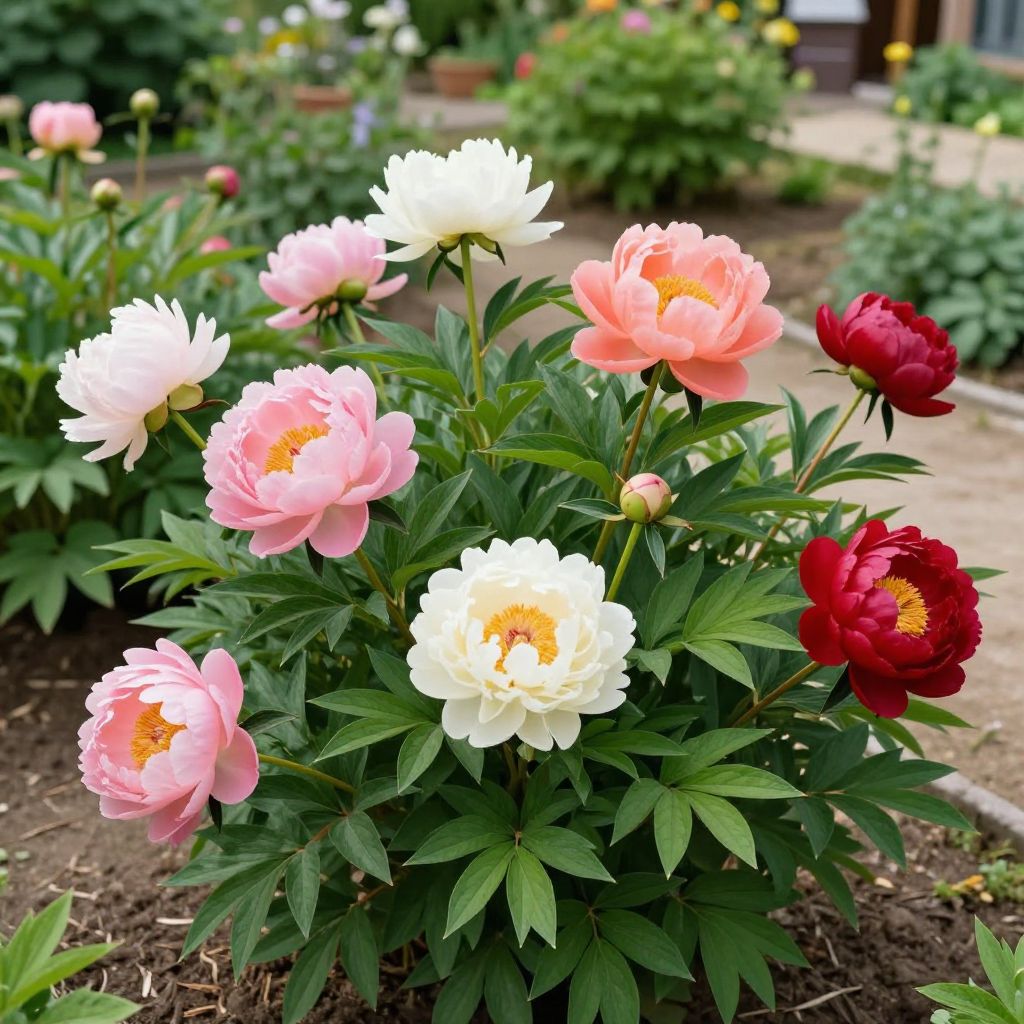
Wondering what colors do peonies come in? Peonies are best known for their lush blooms in shades of white, pink, and red, but many varieties also appear in coral, blush, magenta, yellow, and rich near-burgundy tones. Some flowers open with one color and fade or deepen as they mature, so the exact look can change through the season.
If you are choosing peonies for a border, cutting garden, or cottage-style planting, color is only part of the story. Bloom form, fragrance, bloom time, and plant vigor all matter too, and the right growing conditions help flowers show their best color.
What colors do peonies come in?
Peonies come in a wide range of flower colors, including white, cream, pale pink, rose, deep pink, red, coral, salmon, yellow, and sometimes purple-tinged or near-burgundy shades. Most garden peonies are not true blue or true black. Color can shift slightly with age, weather, and flower maturity.
Common peony flower colors and what to expect
When gardeners ask about peony color, they usually mean the bloom itself, not the foliage. The most common peonies are in the pink-to-red family, but breeders have expanded the palette over time. Even so, some colors are still rarer than others.
White and cream peonies
White peonies are classic, elegant, and especially useful in moon gardens or mixed borders. Many open pure white or ivory, while others start with a blush center and fade lighter as the bloom ages.
Pink peonies
Pink is one of the most familiar peony colors. You may see soft shell pink, baby pink, rose pink, or stronger hot pink tones depending on the variety and the stage of bloom.
Red peonies
Red peonies can range from bright cherry red to deep ruby or wine tones. In cool weather, some reds look richer and darker, while heat can make them appear lighter or more muted.
Coral and salmon peonies
Coral peonies are popular because they often change dramatically as they open. A flower may begin coral or apricot and then fade toward pale pink or cream, giving the plant a multicolored effect over several days.
Yellow peonies
Yellow is less common in herbaceous peonies, so it is often sought after. The strongest yellow tones are usually found in intersectional peonies, also called Itoh peonies, rather than in the traditional garden peonies many people grow.
Deep burgundy and near-purple tones
Some peonies have very dark petals that read as burgundy, maroon, or plum. These are not truly purple in the way some other flowers are, but they can look dramatic in the garden and in bouquets.
Why peony color can change as flowers open
Peony blooms often do not stay one exact shade from bud to finish. Sun, temperature, and flower age all affect how a bloom looks, so the same plant may show several related tones at once. That is normal and part of the charm of growing peonies.
- Cool weather often deepens reds and pinks.
- Heat and strong sun can fade some colors faster.
- As blooms age, many peonies become lighter or softer in tone.
- Rain and wind may shorten bloom life, which affects how long the color looks fresh.
If you want the truest color display, watch the flowers over several days rather than judging them from a single bud or a one-day photo.
How to choose peonies for the color you want
Because peony color can vary by cultivar and growing conditions, the best way to get the shade you want is to buy from a reliable nursery and read the plant description carefully. Photos can be helpful, but they may not show how the flower changes as it ages.
Tips for selecting plants
- Choose named cultivars rather than seed-grown plants if you want predictable color.
- Look for descriptions such as blush pink, soft white, coral, or deep red.
- Ask whether the bloom is known to fade, darken, or shift color.
- Consider bloom time, because early, midseason, and late peonies can look different in the same garden.
- Match the flower color to nearby plants, hardscape, and the style of your border.
Tip: If you want a long-lasting cut flower with a strong color payoff, choose varieties known for sturdy stems and fuller blooms, not just the brightest shade in the catalog.
Growing conditions that help peony color look its best
Healthy peonies usually show better color and fuller blooms than stressed plants. Good soil, enough sun, and proper spacing all help flowers open cleanly and hold their shape.
Sunlight
Most peonies bloom best in full sun, though in hotter climates they may appreciate light afternoon shade. Too much shade can reduce flowering and make colors look washed out.
Soil and drainage
Peonies prefer fertile, well-drained soil. Heavy, soggy ground can lead to weak growth and root problems, which then reduce bloom quality. If your soil is dense clay, improve it with compost and consider planting in a raised bed or on a slight mound.
Compost and soil preparation
Work in compost before planting to improve soil structure and moisture balance. Avoid overdoing rich amendments right at the crown, because peonies do not like to be planted too deeply or buried in overly loose material.
Watering
Water deeply when plants are establishing and during dry spells, but avoid keeping the soil constantly wet. Mature peonies are fairly resilient once established, yet they still perform best with even moisture during active growth and bud formation.
Planting peonies for strong blooms and good color
Planting depth matters more with peonies than many gardeners realize. If the eyes, or growth buds, are planted too deep, the plant may grow leaves but fail to bloom well. Poor flowering means fewer chances to enjoy the flower color you planted for.
- Choose a site with full sun and well-drained soil.
- Dig a wide planting hole and loosen the surrounding soil.
- Mix in compost if your soil is poor or compacted.
- Set the root so the eyes sit near the soil surface, not deeply buried.
- Backfill gently and water to settle the soil.
- Mulch lightly, but keep mulch away from the crown.
Common mistake: planting peonies too deep. This is one of the most frequent reasons a healthy-looking plant refuses to bloom.
Do peony colors affect care?
In general, no. White, pink, red, coral, and yellow peonies all need similar care. The main difference is that some lighter colors may show weather damage or fading more visibly, while darker blooms can show sun scorch or rain spotting more clearly.
Practical care by bloom color
- White and pale pink: plant where blooms are easy to see and not hidden by crowded foliage.
- Coral and salmon: expect color shifts; enjoy the changing tones rather than waiting for one exact shade.
- Deep red: give good air circulation to help petals stay clean and reduce spotting.
- Yellow Itoh peonies: support the plant if heavy blooms bend stems after rain.
Pruning, staking, and seasonal maintenance
Peonies do not need complicated pruning, but a little maintenance helps the flowers look better. Support tall or heavy-blooming plants before they flop, especially after rain.
What to do during the season
- Stake plants early if they tend to lean.
- Deadhead spent blooms to keep the plant tidy.
- Leave healthy foliage in place after flowering so it can feed the roots.
- Cut back stems only after foliage yellows in autumn.
Do not cut peonies to the ground right after bloom unless a disease problem requires it. The leaves are still working for next year’s flowers.
Common pests and diseases that can affect flower quality
Peonies are usually reliable, but poor weather or crowded planting can lead to problems that affect bloom appearance. If flowers look distorted, spotted, or fail to open properly, check for these issues.
Botrytis blight
This fungal problem can cause buds to turn brown or fail to open. It is more likely in cool, wet weather or in crowded plantings with poor air circulation. Remove affected material promptly and avoid overhead watering when possible.
Ants on buds
Ants are commonly seen on peony buds, but they are usually not harming the plant. They are attracted to the sugary surface on the buds and do not need to be treated in most gardens.
Thrips and petal damage
Small insects can scar petals or cause blooms to open unevenly. If you notice repeated damage, inspect nearby plants and improve airflow around the peonies.
Propagating peonies if you want more of a favorite color
If you find a peony color you love, the best way to keep that exact flower is to propagate the plant by division or purchase another named plant. Seed-grown peonies do not reliably produce the same color as the parent.
Division is usually done only on established plants and is best approached carefully because peonies dislike disturbance. If you are not sure, it is often easier to buy another plant of the same named cultivar than to divide an old clump.
Using peony colors in the garden
Peony color can shape the whole look of a border. Soft pinks and whites create a romantic, airy feel, while reds and deep burgundies add drama. Coral and yellow tones bring warmth and contrast.
- Pair white peonies with blue or silver foliage plants for a cool, elegant look.
- Use pink peonies with roses, catmint, or lavender for a classic cottage style.
- Combine red peonies with chartreuse or dark-leaved companions for contrast.
- Mix coral and cream peonies for a softer, changing palette through bloom season.
Final answer: the short version
What colors do peonies come in? Most commonly, they bloom in white, cream, pink, red, coral, salmon, and yellow, with some varieties showing burgundy or plum-like tones. The exact shade can shift as the flower opens, so the best color display comes from healthy plants grown in full sun and well-drained soil.
If you are planning a peony bed, start by choosing a named cultivar in the color family you want, then give it the right planting depth and good drainage. For more practical planting guidance, you may also want to read about how to plant peonies correctly and how to care for peonies after flowering.