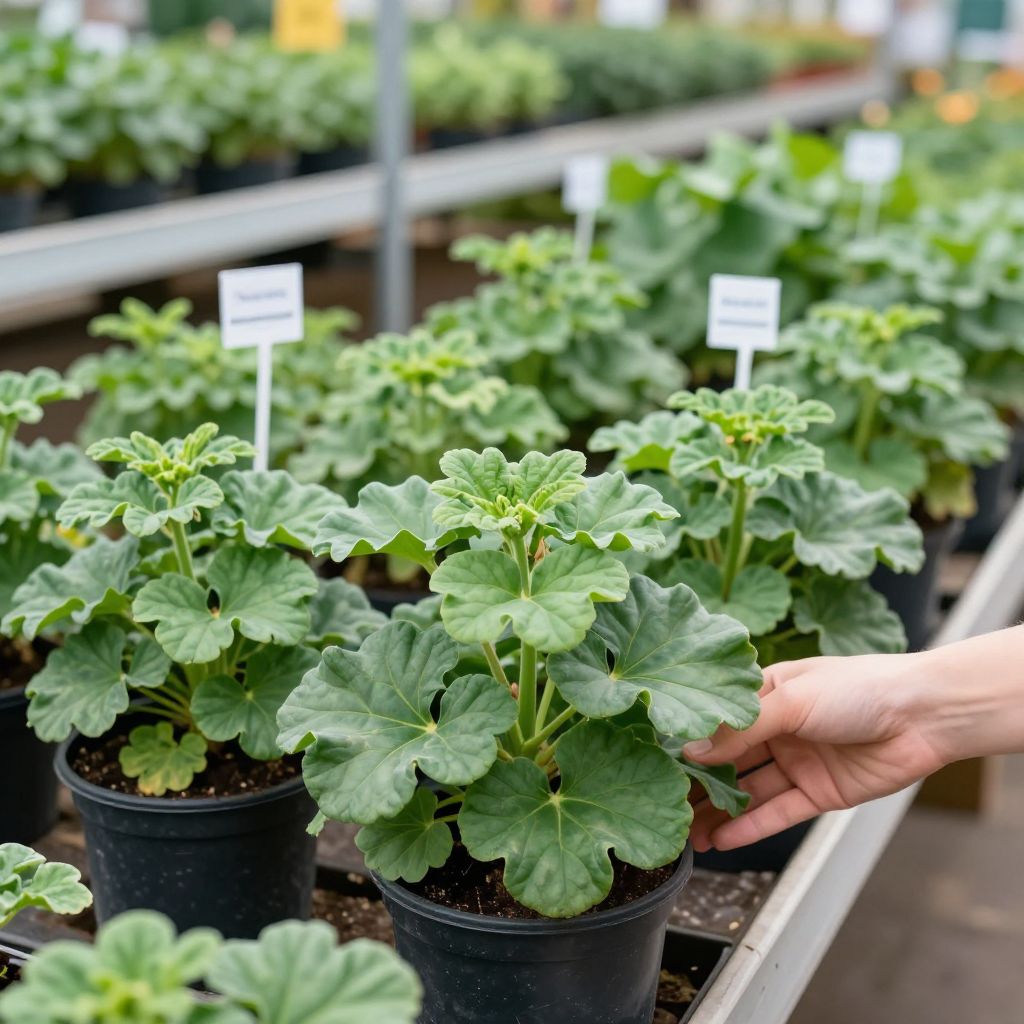
Where to buy citronella plants is a common question when you want a container plant that looks good and may help make patios and doorways feel more comfortable. The key is to buy the right plant, because “citronella” is often used for more than one species.
If you choose carefully and give the plant warm, bright conditions, citronella can be a useful, easy-to-grow addition to summer containers. Here’s how to find a healthy plant, what to look for before you buy, and how to keep it growing well after you bring it home.
Where to buy citronella plants?
You can usually buy citronella plants at local garden centers, nurseries, home improvement stores, farmers’ markets, and reputable online plant shops. Look for healthy, well-rooted plants labeled Cymbopogon nardus or Cymbopogon winterianus, and inspect them for firm stems, green leaves, and no signs of pests or rot.
What plant are you actually buying?
Before you shop, make sure the plant is truly citronella grass and not a scented geranium sold under the same common name. Many stores label Pelargonium citrosum as “citronella plant,” but it is not the same as citronella grass.
Common plants sold as citronella
- Citronella grass — usually Cymbopogon nardus or Cymbopogon winterianus
- Citronella geranium — often Pelargonium citrosum
Why this matters: the care needs are different, and the plant’s appearance may vary a lot. If you want a fragrant, grass-like plant for a warm container or summer border, read the botanical name on the tag instead of relying on the common name alone.
Best places to buy citronella plants
Local garden centers and nurseries
This is usually the best place to start if you want to see the plant before buying it. You can check leaf color, root quality, and overall health in person, which helps you avoid bringing home a weak or pest-ridden plant.
Ask staff whether the plant has been grown indoors, in a greenhouse, or outdoors. That can help you judge how much acclimation it will need once you get it home.
Home improvement stores and big-box retailers
These stores often carry citronella plants during spring and summer. The selection may be limited, but prices can be competitive, and the plants are usually easy to find in seasonal outdoor displays.
Be extra careful here to inspect the plant closely. Mass-displayed plants may dry out faster, become rootbound, or pick up pests from nearby stock.
Online plant retailers
Buying online can be a good option if local stores do not carry citronella plants or if you want a specific species. Choose sellers that ship live plants well and provide clear plant names, size descriptions, and care details.
Check shipping timing, especially in very hot or cold weather. A plant that arrives stressed may need several days of gentle recovery before it starts growing again.
Farmers’ markets and local plant sales
These can be excellent sources for healthy plants, especially from small growers who know what they are selling. You may also get better advice on local growing conditions and how the plant performs in your climate.
If you buy from a local grower, ask how the plant has been hardened off and whether it has been grown in full sun, partial sun, or protected conditions.
How to choose a healthy citronella plant
A good plant should look full, upright, and actively growing. Avoid anything with yellowing leaves, mushy stems, webbing, sticky residue, or a sour smell from the potting mix.
Quick inspection checklist
- Leaves are green and not limp
- Stems feel firm, not soft or blackened
- The pot is not waterlogged
- Roots are not circling tightly out of the drainage holes
- No visible aphids, whiteflies, or spider mites
- No mold on the soil surface
If the plant is rootbound, it can still be worth buying if it is otherwise healthy. Just plan to repot it soon after bringing it home.
When to buy citronella plants
In many areas, citronella plants are easiest to find in spring and early summer, when garden centers stock warm-season plants. In cooler climates, they may disappear from shelves once the main bedding-plant season ends.
If you live where nights are cool, wait until your local weather is consistently warm before moving the plant outdoors. Citronella is a tropical or subtropical plant and dislikes cold conditions.
How to grow citronella successfully after purchase
Light
Citronella grows best in bright light and usually performs well in full sun to partial shade, depending on your climate. In very hot regions, afternoon shade can reduce stress and leaf scorch.
If you are growing it indoors, place it in the brightest window you have. A sunny south- or west-facing window is often best, though indoor light may still be too weak for strong growth without supplemental light.
Soil and drainage
Use a well-draining potting mix rather than heavy garden soil. Citronella does not like soggy roots, and poor drainage is one of the fastest ways to lose a new plant.
A container with drainage holes is essential. If you are planting in the ground, choose a spot that does not stay wet after rain.
Watering
Water when the top inch or two of soil feels dry, then water thoroughly and let excess drain away. The goal is evenly moist soil, not constant wetness.
During hot weather, container plants may dry out quickly. In cooler or cloudy periods, they may need water much less often, so check the soil instead of following a fixed schedule.
Feeding
A light feeding with a balanced fertilizer during active growth can help potted plants stay vigorous, but do not overfeed. Too much fertilizer can produce soft growth that is more prone to stress and pests.
If you use fresh potting mix or compost-rich soil, you may not need to fertilize right away. Watch the plant’s growth and color before adding anything extra.
Planting citronella in pots or the garden
Container planting
Containers are often the easiest way to grow citronella, especially if your climate has cool nights or a short summer. Choose a pot that gives the roots room to grow, and move the plant up in size as needed.
- Select a pot with drainage holes.
- Fill it with a quality, well-draining potting mix.
- Remove the plant gently and loosen tightly circling roots.
- Set the crown at the same level it was growing before.
- Water thoroughly and place it in bright light.
In-ground planting
If your climate is warm enough for outdoor growth, plant citronella in a sunny, sheltered spot with loose, well-drained soil. Space it so air can move around the plant, which helps reduce disease problems.
Mixing in compost can improve soil structure, but avoid making the soil too rich and heavy. Good drainage matters more than high fertility for this plant.
Pruning, maintenance, and seasonal care
Trim off yellow, damaged, or crowded stems to keep the plant tidy and encourage fresh growth. Regular cleanup also makes it easier to spot pests early.
If the plant becomes leggy, you can cut it back lightly to encourage a fuller shape. Avoid removing too much at once, especially if the plant is already stressed from heat, transplant shock, or low light.
Overwintering in cooler climates
Citronella is usually treated as a warm-season plant in areas with frost. If you want to keep it through winter, bring container plants indoors before cold nights arrive.
Indoors, give it the brightest spot available, reduce watering, and watch closely for spider mites or whiteflies. Growth often slows in winter, so do not expect the same pace you see outdoors in summer.
Common problems and how to fix them
Yellowing leaves
Yellow leaves often point to overwatering, poor drainage, or low light. Check the potting mix first, then move the plant to brighter conditions if needed.
Wilting
Wilting can mean the soil is too dry, but it can also happen when roots are damaged or waterlogged. Feel the soil and inspect the pot before watering again.
Pests
Citronella can attract common houseplant and garden pests such as aphids, spider mites, and whiteflies. A strong rinse of water, careful pruning, and regular inspection often help early infestations stay manageable.
Root rot
Soft stems, a sour smell, and persistently wet soil are warning signs. Improve drainage immediately, remove damaged roots if necessary, and repot into fresh mix if the plant is still salvageable.
Propagation and replacement
Some gardeners like to keep citronella going by dividing healthy clumps or taking cuttings, depending on the type of plant they have. If you are unsure how your specific plant grows, ask the seller or check the botanical name first.
If the plant declines after a season, it is often easier to replace it than to nurse a weak specimen through poor conditions. Starting with a healthy plant from a good source usually gives you the best results.
Final buying tips for success
When deciding where to buy citronella plants, prioritize plant health, accurate labeling, and a seller who can tell you how the plant was grown. A strong plant from a reliable source will establish faster and need less rescue work later.
Before you leave the store or click “buy,” make sure you know whether you are getting citronella grass or a citronella-scented geranium, then set it up in bright light, well-drained soil, and warm conditions. For more container-growing ideas, you may also want to read about container gardening basics and growing herbs in pots.