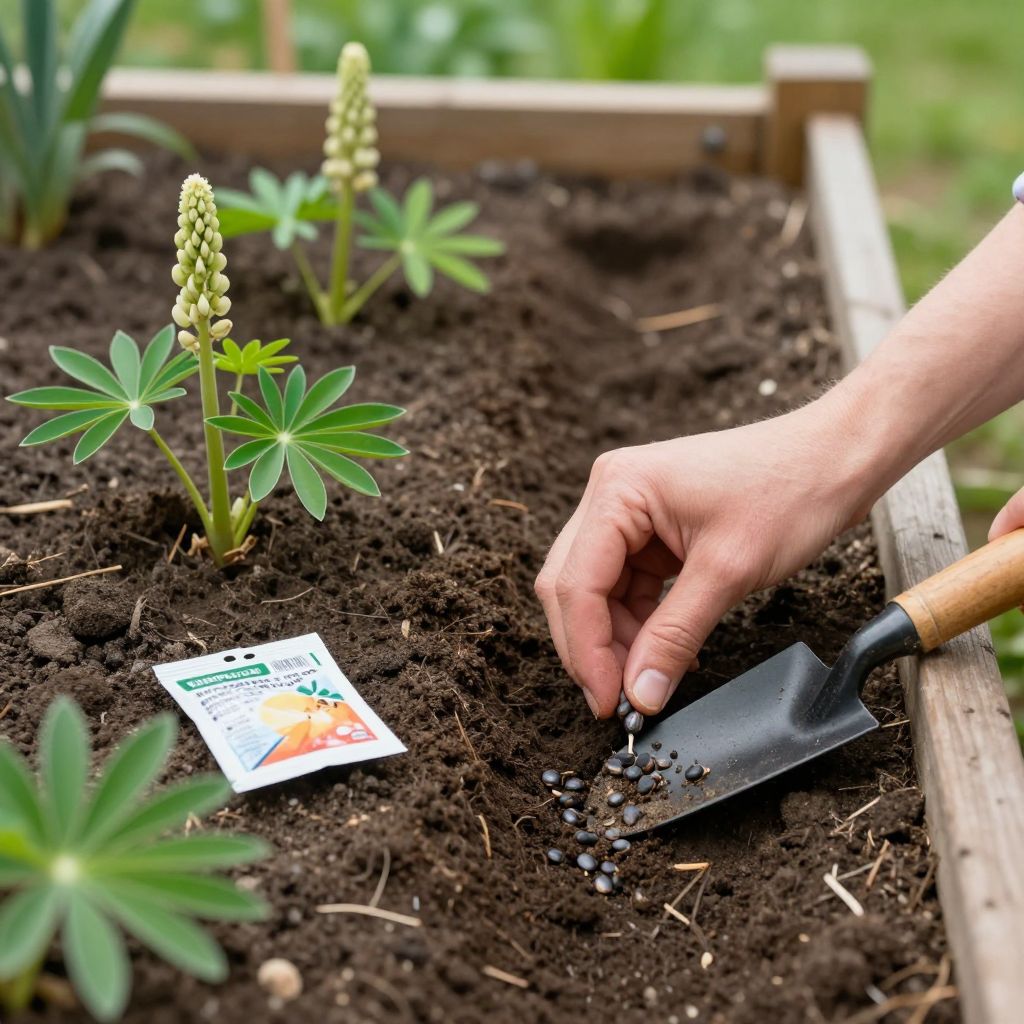
Wondering when to plant lupine seeds so they germinate well and bloom strongly? The best timing depends on your climate and whether you sow indoors or outdoors, but lupines usually do best when seeds experience cool conditions and steady moisture. In many gardens, direct sowing in early spring or late fall gives the most reliable results.
Because lupines dislike hot, dry soil and disturbed roots, timing matters as much as technique. If you match sowing time to your local weather and give the seedlings the right start, you can grow sturdy plants with tall flower spikes and healthy foliage.
When to plant lupine seeds?
The best time to plant lupine seeds is usually early spring as soon as the soil can be worked, or late fall in mild climates for natural winter chilling. Lupine seeds often germinate better after cool stratification, and young plants prefer cool weather before summer heat arrives.
Why timing matters for lupine seeds
Lupines are cool-season plants. If you sow them when the soil is too warm, germination may be uneven and seedlings can struggle once temperatures rise.
Good timing helps you work with the plant’s natural rhythm instead of fighting it. In many regions, lupines establish best before the weather turns hot and dry.
Best sowing windows by climate
- Cool climates: Sow outdoors in early spring or late summer if fall stays mild enough for establishment.
- Temperate climates: Sow in early spring or direct sow in late fall for winter chill.
- Mild winter climates: Fall sowing often works well, especially where winters are cool but not severe.
- Hot climates: Start seeds in a cooler season and transplant carefully, or direct sow when temperatures are still mild.
If you are unsure which season fits your area, use soil temperature and local frost dates as your guide rather than the calendar alone.
Should you sow lupine seeds indoors or outdoors?
For most gardeners, direct sowing outdoors is easiest because lupines develop a long taproot and do not love transplanting. Indoor sowing is possible, but it works best when you use deep containers and move seedlings gently before roots become crowded.
Direct sowing outdoors
This is the simplest method and often the most successful. Sow where the plants will grow, because lupines resent root disturbance.
Starting seeds indoors
If your spring is short or your soil stays wet for a long time, starting indoors can help. Use deep pots or root trainers and transplant early, before the taproot wraps around the container.
How to plant lupine seeds step by step
- Choose a sunny site. Lupines bloom best in full sun, though they can tolerate light afternoon shade in hot regions.
- Prepare well-drained soil. Loose, moderately fertile soil is ideal. Heavy clay should be improved with compost and drainage before planting.
- Scarify the seeds if needed. Lupine seed coats are hard. Lightly nick each seed with a file or soak them briefly in warm water to encourage germination.
- Sow at the right depth. Plant seeds about 1/4 to 1/2 inch deep, then cover lightly with soil.
- Water gently. Keep the seedbed evenly moist, not soggy, until germination.
- Thin seedlings. Once they sprout, space plants so air can move freely around them.
Do not bury lupine seeds too deeply. They need light contact with the soil and consistent moisture, but they also need oxygen to germinate well.
What growing conditions do lupines need?
Lupines perform best in cool, sunny, well-drained conditions. They are not a good match for waterlogged beds, compacted soil, or intense summer heat without some protection.
Sunlight
Give lupines at least 6 hours of sun a day for strong flowering. In very hot climates, a little afternoon shade can reduce stress and help blooms last longer.
Soil
They prefer soil that drains freely. Sandy loam or amended garden soil usually works well. If your soil stays wet after rain, consider a raised bed or a better-drained location.
pH and fertility
Lupines generally do best in slightly acidic to neutral soil. Avoid overfeeding them with high-nitrogen fertilizer, which can produce lots of leaves but fewer flowers.
How to improve germination
Lupine seeds can be slow or patchy to sprout if you skip preparation. A little seed treatment often makes a big difference.
- Scarify the seed coat: Gently nick or rub the seed coat to let moisture in.
- Soak briefly: A short soak in warm water can help soften the coat.
- Keep temperatures cool: Mild spring weather is better than hot summer conditions.
- Maintain even moisture: Let the surface dry slightly, but never allow the seedbed to dry out completely.
If seeds still do not sprout, be patient. Some lupines germinate in a couple of weeks, while others take longer depending on temperature and seed freshness.
Common mistakes to avoid
Many lupine problems start at planting time. Avoid these common errors for better results.
- Planting too late: Hot weather can weaken seedlings before they establish.
- Overwatering: Constantly soggy soil can rot seeds and roots.
- Transplanting too late: Large seedlings are harder to move without damaging the taproot.
- Using rich, heavy soil: Excess fertility and poor drainage often lead to weak growth.
- Expecting every seed to sprout quickly: Lupines can be uneven, so sow more than you need.
How to care for young lupine seedlings
Once seedlings emerge, the goal is steady growth without stress. Keep the soil lightly moist and protect young plants from extreme heat, strong winds, and competition from weeds.
Watering
Water deeply but not constantly. Young lupines need moisture to establish, but mature plants prefer a drier, well-drained root zone.
Mulching
A thin layer of mulch can help conserve moisture and suppress weeds, but keep mulch away from the crown to reduce rot risk.
Thinning and spacing
Give each plant room to grow. Crowded seedlings compete for light and airflow, which can encourage mildew and weak stems.
Can you plant lupine seeds in fall?
Yes, in many climates fall planting works very well. Cool weather and winter chilling can help break seed dormancy naturally, especially if the soil is not frozen and drainage is good.
Fall sowing is especially useful if your area has mild winters and a long cool season. In colder regions, sowing in late fall can still work if seeds remain in place through winter and are not washed away.
When fall sowing is a good idea
- Your winters are cool but not excessively wet.
- You want natural cold stratification.
- Your spring warms up quickly and leaves little cool weather for seedlings.
How long do lupines take to bloom from seed?
Lupines grown from seed often bloom in their first year only if they get an early start and favorable conditions, but many take until the following season to flower well. That is normal for a perennial lupine planting.
Be patient with young plants. Strong root development in the first season usually leads to better flowering later.
Problems with pests and diseases
Lupines are generally manageable, but a few issues can appear when plants are stressed by poor timing or wet conditions.
Common pests
- Aphids: They cluster on new growth and can be rinsed off with water or managed with insecticidal soap if needed.
- Slugs and snails: These can damage seedlings, especially in damp weather.
Common diseases
- Powdery mildew: More likely in crowded plantings or during humid weather.
- Root rot: Often caused by poorly drained soil or overwatering.
Good spacing, clean garden habits, and proper drainage prevent many of these problems before they start.
Growing lupines in containers
Container growing is possible, but lupines do best in deep pots because of their taproot. Choose a container with excellent drainage and use a light, free-draining potting mix.
Container plants dry out faster than garden plants, so check moisture regularly. Even in pots, lupines still prefer cool conditions and plenty of sun.
When to divide or propagate lupines
Lupines are usually grown from seed rather than division because their roots do not like disturbance. If you want more plants, seed propagation is the most reliable method.
You can also collect seed from mature pods once they dry, but be ready for some variation in flower color if the plants are not named cultivars.
Quick planting checklist
- Sow in early spring or late fall, depending on your climate.
- Choose a sunny, well-drained site.
- Scarify or soak seeds to help germination.
- Plant shallowly, about 1/4 to 1/2 inch deep.
- Keep soil evenly moist until seedlings are established.
- Thin plants and avoid overwatering.
Conclusion
If you are deciding when to plant lupine seeds, aim for cool weather, good drainage, and enough time for seedlings to establish before summer heat. In most gardens, early spring or late fall is the sweet spot. Start with well-prepared soil, treat the seeds gently, and you will give your lupines the best chance to thrive.
For more practical flower-growing advice, you may also want to read about how to grow perennials from seed and the best time to plant wildflower seeds.