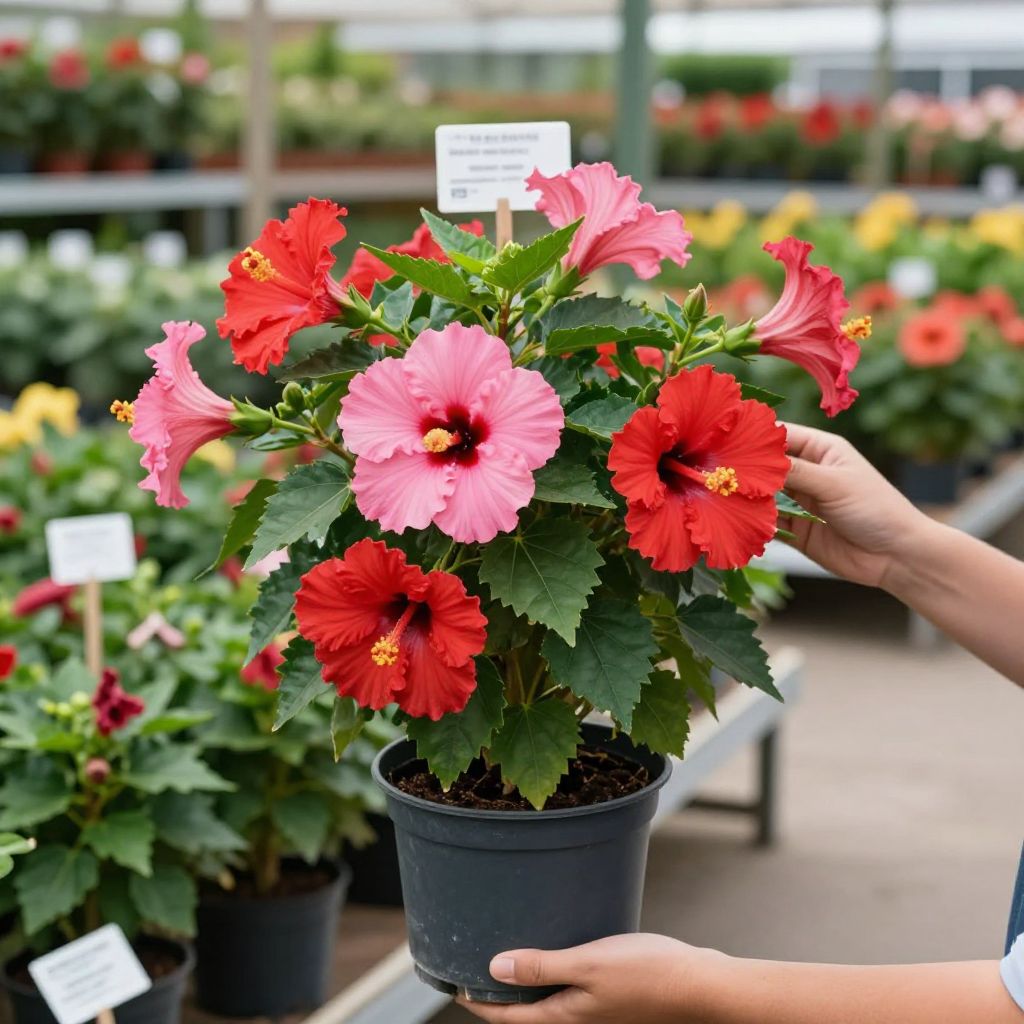
Where can I buy hibiscus flowers? If you want the best results, start by deciding whether you mean living hibiscus plants, cut flowers, or dried hibiscus calyces for tea. Each one is sold in different places, and the right choice depends on whether you’re planting them in a garden, growing them in a pot, or using them for another purpose.
For gardeners, the most useful option is usually a healthy nursery plant. Hibiscus can be easy to grow when you match the plant to your climate, give it full sun, and keep the soil evenly moist but well drained.
Where can I buy hibiscus flowers?
You can buy hibiscus plants at local garden centers, independent nurseries, big-box home improvement stores, and reputable online plant retailers. If you want cut hibiscus flowers or dried hibiscus calyces, check florists, specialty tea shops, farmers markets, and trusted edible plant sellers. Choose the source based on whether you need a landscape plant, a container plant, or a harvestable crop.
Choosing the right type of hibiscus
Before you buy, identify which hibiscus you want. The word “hibiscus” is used for several different plants, and care needs vary.
Common types you may see for sale
- Tropical hibiscus (Hibiscus rosa-sinensis) — popular as a container plant or warm-climate landscape shrub.
- Hardy hibiscus (Hibiscus moscheutos and related hybrids) — dies back in winter in colder climates and returns from the roots.
- Roselle (Hibiscus sabdariffa) — grown for edible calyces and tea in warm seasons.
If you are buying for a garden bed, make sure the plant is suited to your climate. A beautiful tropical hibiscus may struggle outdoors where winters are cold, while hardy hibiscus can handle much more winter chill.
What to look for when buying hibiscus
Healthy plants establish faster and flower better. Inspect the plant carefully before bringing it home, whether you buy in person or online.
Healthy plant checklist
- Leaves are green and firm, not yellowing, spotted, or curled.
- Stems are sturdy, not soft or blackened.
- Soil is slightly moist, not bone-dry or waterlogged.
- No visible pests such as aphids, whiteflies, spider mites, or scale.
- Roots are not circling tightly out of the pot drainage holes.
- Flower buds are present, but not dropping heavily.
A plant with a few unopened buds is often a better buy than one in full bloom. It usually handles transplanting better and gives you a longer flowering display after it settles in.
Buying online
Online shopping can give you more variety, but it also comes with risk. Read the plant size carefully, check whether the seller ships dormant or actively growing plants, and confirm the return policy in case the plant arrives damaged.
- Look for clear photos of the actual plant size, not just mature blooms.
- Choose sellers that ship during suitable weather for your region.
- Check whether the plant is bare-root, potted, or rooted from a cutting.
- Inspect reviews for packaging quality and plant condition on arrival.
How to plant hibiscus after you buy it
Once you bring hibiscus home, planting correctly matters as much as where you bought it. Most problems come from poor drainage, too much shade, or transplant shock.
Outdoor planting steps
- Choose a site with full sun, or at least 6 hours of direct sun in most climates.
- Dig a hole about as deep as the root ball and 2 times as wide.
- Loosen compacted soil around the planting area.
- Mix in compost if your soil is poor, but do not create a soggy pocket of rich soil in heavy clay.
- Set the plant so the top of the root ball is level with the surrounding soil.
- Backfill, water thoroughly, and mulch lightly without touching the stem.
If your soil drains slowly, consider planting in a raised bed or large container. Hibiscus roots dislike standing water, especially in cool weather.
Container planting tips
- Use a pot with drainage holes.
- Choose a container only slightly larger than the root ball to avoid waterlogged soil.
- Use a quality potting mix rather than garden soil.
- Keep the pot in a bright, sheltered spot with good airflow.
Growing conditions hibiscus needs
Hibiscus grows best when you give it warmth, light, moisture, and room to breathe. Exact needs depend on the type you buy and your local climate.
Sunlight
Most hibiscus plants flower best in full sun. In very hot regions, afternoon shade can help reduce stress and leaf scorch, especially for potted plants.
Soil and drainage
Hibiscus prefers fertile, well-drained soil that holds moisture without becoming soggy. A slightly acidic to neutral soil is usually suitable for many garden settings, but the biggest priority is drainage.
Watering
Water deeply when the top layer of soil begins to dry, especially during active growth and flowering. Containers dry out faster than garden beds, so check them more often during warm weather.
Wilting does not always mean the plant is thirsty. In hot sun, a hibiscus may droop temporarily even when the soil is moist. Check the soil before watering again.
Temperature
Tropical hibiscus is sensitive to cold and should be protected from frost. Hardy hibiscus is more forgiving in colder regions, but young plants still benefit from a protected site and good mulch.
Pruning and maintenance
Regular maintenance helps hibiscus stay compact and bloom well. Pruning needs vary by type, so avoid cutting blindly.
Basic pruning guidance
- Remove dead, damaged, or crossing stems any time you notice them.
- Pinch or lightly trim young tropical hibiscus to encourage branching.
- Cut back hardy hibiscus in late winter or early spring after you see new growth starting, if appropriate for your climate.
- Deadhead spent blooms if you want a tidier plant, though some types drop flowers naturally.
Do not prune heavily right before a cold snap. Fresh growth is more vulnerable to temperature stress.
Common pests and diseases
Hibiscus can be bothered by several common garden pests, especially when plants are stressed by heat, drought, or poor airflow.
Typical pest problems
- Aphids — cluster on tender growth and buds.
- Whiteflies — tiny flying insects that weaken leaves.
- Spider mites — common in hot, dry conditions; leaves may look stippled or dusty.
- Scale insects — small, immobile bumps on stems and leaves.
Simple fixes
- Rinse pests off with a strong spray of water.
- Remove badly infested leaves or stems.
- Improve airflow around the plant.
- Avoid overfertilizing with high-nitrogen products, which can encourage soft growth that attracts pests.
Disease concerns
Root rot is the most common serious issue when hibiscus is kept too wet. Leaf spots can also appear in humid conditions, especially if plants are crowded or watered overhead late in the day.
To reduce disease risk, water at the base, keep mulch off the stem, and avoid letting pots sit in saucers of standing water.
Propagation: can you grow more from one plant?
Yes, many hibiscus plants can be propagated, especially tropical types from stem cuttings. This is useful if you find a plant you love and want more of it later.
Stem cutting basics
- Take a healthy, non-flowering stem section.
- Use clean, sharp pruners.
- Remove lower leaves and place the cutting in a moist, airy rooting medium.
- Keep it warm and bright, but out of harsh direct sun.
Not every cutting will root successfully, so start with more than one if you want better odds. Some gardeners also find that buying a well-rooted young plant is simpler than starting from cuttings.
Best uses in the garden
Hibiscus works well as a specimen plant, patio container, flowering hedge, or tropical accent. Hardy hibiscus is especially useful in mixed borders where you want large, dramatic blooms in summer.
Design tips
- Place it where you can enjoy the flowers up close.
- Give taller varieties room so they do not shade smaller plants.
- Use mulch to help conserve moisture in garden beds.
- In containers, pair hibiscus with plants that like similar sun and water conditions.
Common mistakes to avoid
Many hibiscus problems start at purchase or planting time. Avoid these common errors to save time and frustration.
- Buying a plant without checking for pests.
- Choosing a tropical hibiscus for an outdoor bed in a cold climate.
- Planting in heavy, poorly drained soil.
- Letting containers dry out completely for long periods.
- Overwatering in cool weather.
- Pruning too hard at the wrong time of year.
Final thoughts
If you’re wondering where can I buy hibiscus flowers, the best place depends on what you need: a nursery plant for the garden, a potted plant for the patio, or cut or dried flowers from a specialty seller. Once you choose the right type, give it sun, drainage, and steady care so it can settle in and bloom well.
If you want to keep learning, look for more guidance on hibiscus care and pruning and container gardening basics to help your new plant thrive.