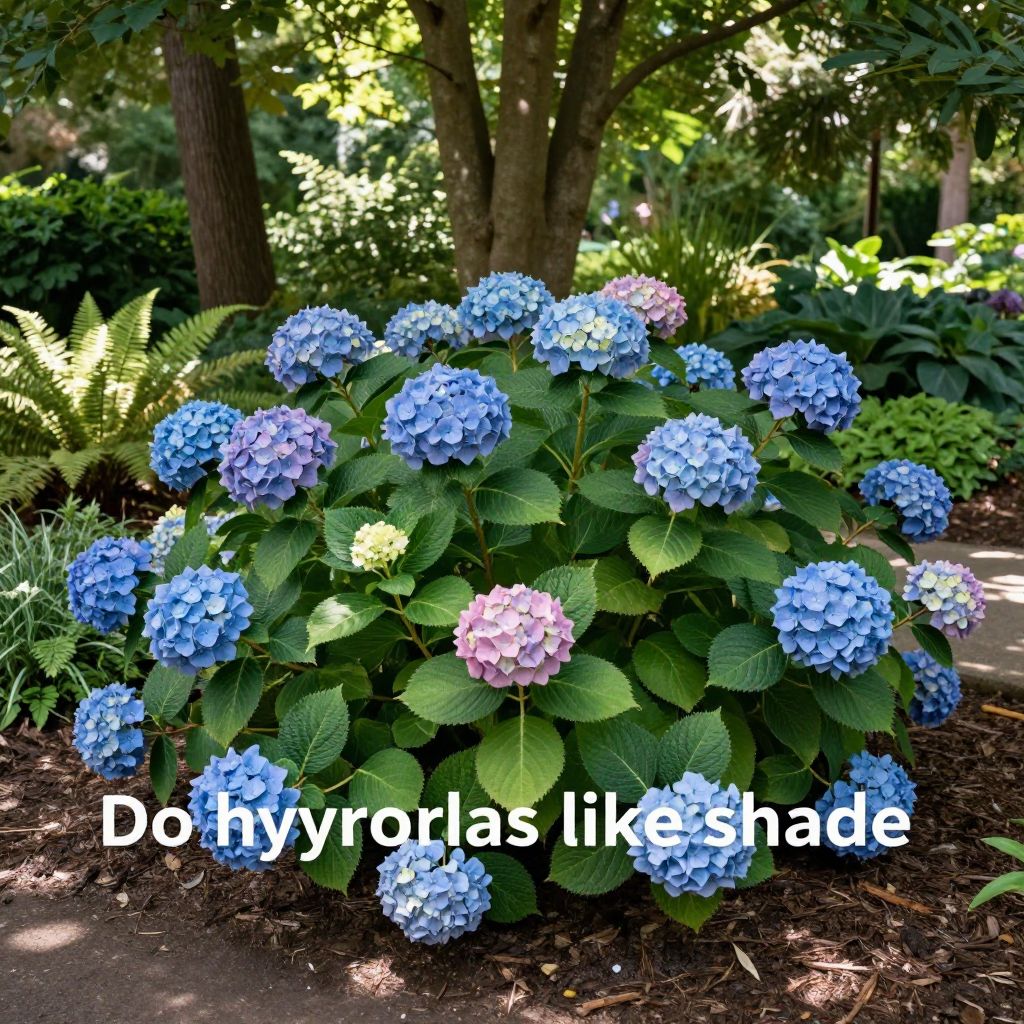
Do hydrangeas like shade? In many gardens, yes—but not deep shade all day. Most hydrangeas bloom best with morning sun and afternoon shade, or dappled light, especially in hot climates. Too much shade can reduce flowering, while too much harsh sun can scorch leaves and dry out the plant.
The right balance depends on the type of hydrangea, your climate, and your soil moisture. If you match the plant to the light you have, hydrangeas can be long-lived, full, and generously flowering shrubs.
Do hydrangeas like shade?
Hydrangeas usually prefer partial shade rather than full shade. They do best with 3 to 6 hours of sun, ideally morning sun and afternoon shade. In cooler regions, they can take more sun; in hot climates, protection from intense afternoon light helps prevent wilting, leaf scorch, and faded blooms.
How much sun do hydrangeas need?
Hydrangeas are not all the same. Some types tolerate more sun, while others flower better with gentler light. The key is to give enough light for blooming without exposing the shrub to all-day heat and drying winds.
General light guide
- Morning sun + afternoon shade: often the best setup for most hydrangeas.
- Dappled shade: works well under open trees or beside taller shrubs.
- Full shade: usually means fewer flowers and leggier growth.
- Full sun: can work in cooler climates if soil moisture is steady.
Why light matters
Hydrangeas need light to build flower buds and support strong stems. If they get too little light, they may produce lots of leaves but few blooms. If they get too much sun, especially in hot weather, the leaves can droop even when the soil is moist.
Which hydrangeas handle shade best?
Some hydrangeas are more shade-tolerant than others. If your garden is naturally dim, choosing the right kind makes a big difference.
Common hydrangea types and shade tolerance
- Bigleaf hydrangea (Hydrangea macrophylla): often does best with morning sun and afternoon shade.
- Oakleaf hydrangea (Hydrangea quercifolia): handles more shade than many other types and appreciates protection from harsh afternoon sun.
- Panicle hydrangea (Hydrangea paniculata): usually tolerates more sun than other hydrangeas, especially in cooler areas.
- Smooth hydrangea (Hydrangea arborescens): adapts well to part shade and can bloom reliably with moderate light.
If your garden is heavily shaded, oakleaf and smooth hydrangeas are often better choices than types that need stronger light to bloom well.
What happens if hydrangeas get too much shade?
Too much shade is one of the most common reasons hydrangeas fail to flower well. The plant may survive, but it often becomes sparse, stretched, and less colorful.
Signs of too much shade
- Few or no blooms
- Long, weak stems reaching toward light
- Pale or thin leaves
- Slow growth
- More moisture lingering around the plant, which can encourage disease
If a hydrangea is planted under dense tree cover or against a north-facing wall with very little light, moving it to a brighter spot may be the best fix.
What happens if hydrangeas get too much sun?
Hydrangeas can handle some sun, but hot afternoon exposure often causes stress. This is especially true in warm or dry climates, where the plant may wilt even when watered regularly.
Signs of too much sun
- Leaves droop in the afternoon
- Brown, crispy leaf edges
- Flowers fade quickly
- Soil dries out very fast
- New growth looks stressed or stunted
In hot areas, a hydrangea in full sun may need frequent deep watering and still struggle. A little shade during the hottest part of the day often makes the difference between a tired shrub and a thriving one.
Best planting spot for hydrangeas in shade
When planting hydrangeas, think beyond shade alone. The best site combines the right light with good drainage, rich soil, and enough room for air movement.
Choose a location with these conditions
- Morning sun and afternoon shade, if possible
- Loose, moisture-retentive soil that drains well
- Protection from strong wind
- Space for mature width and height
- Good air circulation to reduce fungal problems
A spot under high, open tree branches is often better than dense shade. The filtered light helps blooms form without baking the plant in direct afternoon sun.
Soil matters as much as light
Hydrangeas like soil that holds moisture but never stays waterlogged. Work in compost before planting to improve structure and help the soil stay evenly moist.
If your soil is heavy clay, raise the planting area slightly or improve drainage before planting. If it is sandy, compost helps it hold water longer between rains and irrigation.
How to care for hydrangeas in shady areas
Shaded hydrangeas often need slightly different care than those in brighter sites. The goal is to keep them healthy without overwatering or encouraging weak, floppy growth.
Watering
Shade can reduce evaporation, so soil may stay wet longer. Check the soil before watering rather than following a fixed schedule.
- Water when the top 1 to 2 inches of soil feel dry.
- Water deeply so moisture reaches the root zone.
- Avoid frequent shallow watering, which encourages weak roots.
- Use mulch to help keep soil moisture even.
Important: In shade, overwatering can be just as harmful as drought because roots may sit in soggy soil longer.
Mulching
Apply 2 to 3 inches of organic mulch, such as shredded bark or leaf mold, around the base of the plant. Keep mulch a few inches away from the stems to prevent rot.
Mulch helps stabilize soil moisture, suppress weeds, and protect roots from temperature swings.
Feeding
Hydrangeas usually do best with moderate fertility. Too much nitrogen can produce lush leaves but fewer flowers, especially in shady conditions.
- Use compost as a gentle soil amendment.
- If needed, apply a balanced shrub fertilizer according to the label and your soil conditions.
- Avoid heavy feeding late in the season, which can push tender growth.
Pruning hydrangeas grown in shade
Pruning depends on the type of hydrangea, not just the amount of shade. Some bloom on old wood, some on new wood, and some on both. Cutting at the wrong time can remove flower buds.
Pruning basics
- Bigleaf and oakleaf hydrangeas often bloom on old wood, so prune lightly after flowering if needed.
- Smooth and panicle hydrangeas usually bloom on new wood and can be pruned in late winter or early spring.
- Remove dead, damaged, or crossing stems any time.
In shady sites, avoid over-pruning. The plant already has less light, so it needs as much healthy leaf area as possible to gather energy.
Can hydrangeas bloom in full shade?
Sometimes, but not usually well. In deep shade, hydrangeas may grow leaves and survive, yet flower production is often poor. If you want reliable blooms, give the plant at least some direct light or bright filtered light.
If your yard is very shady
- Look for the brightest part of the garden, even if it only gets a few hours of sun.
- Prune nearby trees selectively to let in more light.
- Choose shade-tolerant hydrangea types.
- Accept that bloom quantity may be lower than in partial sun.
If the site never gets direct sun, consider whether another flowering shrub would be a better fit. A plant that matches the light will usually be healthier and easier to maintain.
Common problems with hydrangeas in shade
Shade changes how hydrangeas behave, and some common issues become more likely. Most are fixable once you identify the cause.
1. Few flowers
This is usually caused by too little light, pruning at the wrong time, or excessive nitrogen. Move the plant to a brighter location if possible, and avoid overfeeding.
2. Powdery mildew or leaf spots
Shady, crowded areas can hold humidity and reduce airflow. Space plants properly, water at the base, and remove badly affected leaves if needed.
3. Wilting despite moist soil
This can happen in hot weather when the plant loses moisture faster than the roots can replace it. Afternoon shade, mulch, and deep watering usually help.
4. Weak, floppy stems
Too much shade can make stems stretch toward light. A brighter site and careful pruning can improve sturdiness over time.
How to improve a shady hydrangea planting
If your hydrangea is already in a less-than-ideal spot, you may still be able to improve its performance without moving it immediately.
- Check how many hours of direct sun it gets now.
- Remove or thin nearby branches that block all light.
- Improve the soil with compost if it is poor or compacted.
- Add mulch to conserve moisture and reduce stress.
- Water deeply during dry periods, especially in the first few years.
- Prune according to the hydrangea type, not a general rule.
If the plant still refuses to bloom after a season or two, the site may simply be too dark. Moving it to a brighter spot is often the most effective solution.
Should you grow hydrangeas in containers in shade?
Yes, hydrangeas can grow in containers, and shade can be helpful if your patio or balcony gets hot afternoon sun. Container plants dry out faster than in-ground shrubs, so light shade can reduce stress.
Container care tips
- Use a large pot with drainage holes.
- Choose a quality potting mix that retains moisture but drains well.
- Check moisture often, since pots dry faster than garden beds.
- Place the container where it gets bright light but not harsh all-day sun.
Container hydrangeas still need enough light to bloom, so avoid putting them in a dark corner just because they are potted.
Final take on hydrangeas and shade
Hydrangeas do like shade, but usually partial shade rather than deep shade. The best setup is often morning sun with afternoon protection, plus moist, well-drained soil and thoughtful pruning. If you match the plant to the light you have, you’ll get healthier growth and better blooms.
If you’re planning a new planting, start by observing how sunlight moves through your garden over the day, then choose the hydrangea type that fits that light pattern best. For more planting and care ideas, you may also want to read about how to improve garden soil with compost and choosing the right shrubs for shade.