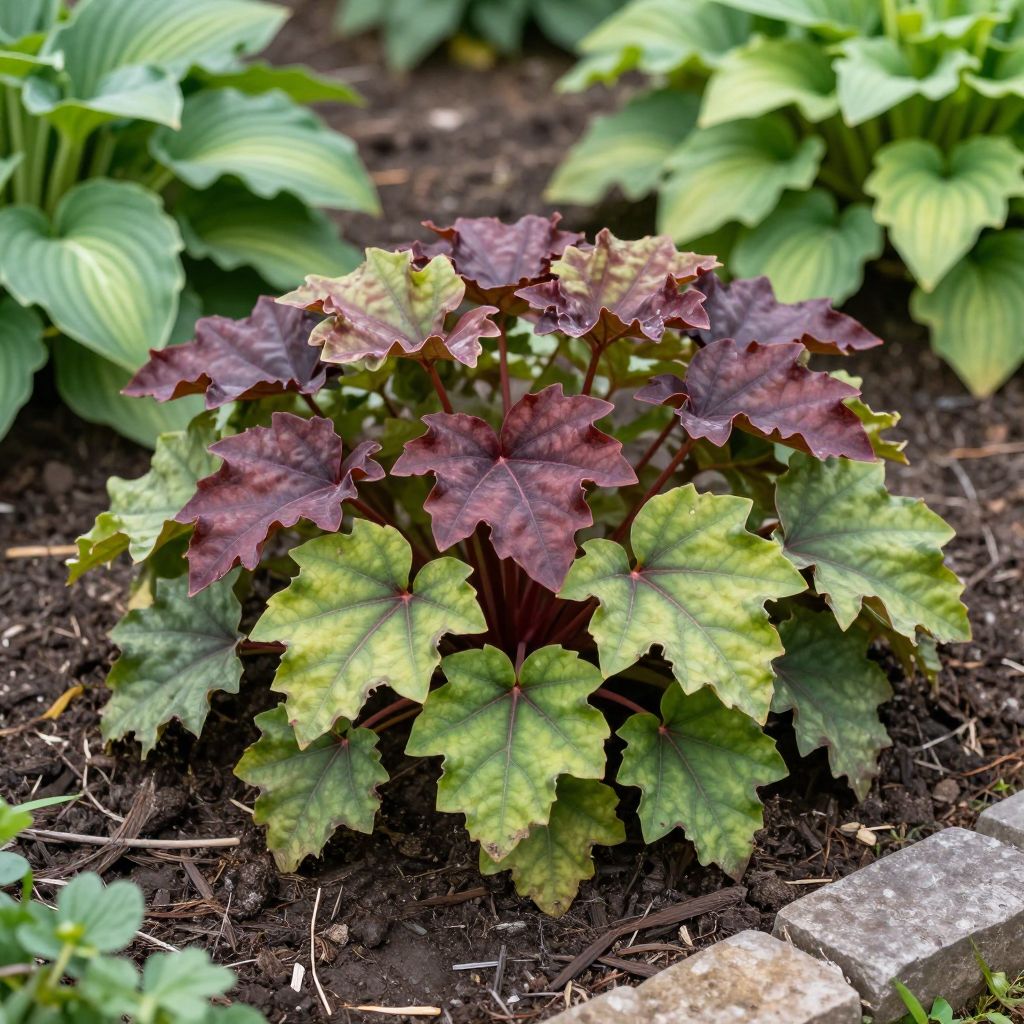
Are coral bells deer resistant? If deer browse your garden, this is an important question before you plant Heuchera. Coral bells are often considered deer resistant, but that does not mean deer will never eat them.
In most gardens, deer tend to avoid coral bells unless food is scarce or the plants are very young, stressed, or newly planted. Their foliage is usually less appealing than many other ornamentals, but local deer pressure, season, and plant health all affect how much damage you may see.
Are coral bells deer resistant?
Yes, coral bells are generally deer resistant, but not deer proof. Deer usually prefer them less than tender, highly palatable plants, yet they may still nibble leaves, flowers, or crowns when hungry. If deer are common in your area, use coral bells as part of a broader deer-aware planting plan rather than relying on them alone.
Why deer usually leave coral bells alone
Coral bells, or Heuchera, have foliage that many deer find less attractive than soft, lush leaves on hostas, daylilies, or impatiens. The leaves can be somewhat textured, and many cultivars have colorful, slightly tougher foliage that deer often pass by.
That said, deer feeding habits are unpredictable. A plant that is ignored one season may be sampled the next, especially during drought, winter, or heavy browsing pressure.
What affects deer resistance
- Food availability: When other plants are scarce, deer eat more of what they normally avoid.
- Plant age: Young transplants are more vulnerable than established clumps.
- Season: New spring growth is often more tempting than mature foliage.
- Local deer population: High deer pressure can override normal resistance.
- Garden location: Plants near wooded edges or travel routes are at greater risk.
How to grow coral bells so they stay healthier and less tempting
Healthy coral bells are more likely to bounce back from occasional browsing and less likely to look like stressed, easy targets. Give them the right site, and they will usually perform better with fewer pest and disease problems.
Best growing conditions
- Light: Partial shade is ideal in many climates, though some varieties tolerate more sun in cooler regions.
- Soil: Moist, well-drained soil is best.
- Drainage: Avoid soggy spots that can rot crowns and roots.
- Air circulation: Good airflow helps reduce leaf disease.
In hotter regions, afternoon shade is especially helpful. In cooler climates, more sun can improve color and flowering, as long as the soil does not dry out completely.
Planting tips that reduce stress
- Choose a site with well-drained soil and protection from harsh afternoon sun if your summers are hot.
- Work in compost if your soil is poor, but do not overdo it in heavy clay.
- Set the crown at the same level it was growing in the pot.
- Water deeply after planting to settle the soil around the roots.
- Mulch lightly to conserve moisture, keeping mulch away from the crown.
Important: Do not bury the crown too deeply. Coral bells are prone to rot if planted too low or kept constantly wet.
How to protect coral bells from deer damage
If deer are active in your yard, combine coral bells with practical protection. Deer resistance helps, but it is rarely enough by itself in heavily browsed gardens.
Best deer-control strategies
- Use fencing: A physical barrier is the most reliable option.
- Plant in groups: Mass plantings are less noticeable than isolated specimens.
- Place them near less-browsed plants: Deer often move through patterns; mixing in strongly scented or less favored plants can help.
- Use repellents: Reapply as directed, especially after rain or new growth.
- Protect young plants: Temporary cages or netting can help until plants are established.
Repellents work best as part of a rotation and are more effective when applied before deer begin feeding. If you wait until damage is already visible, deer may return expecting an easy meal.
What to do if deer have already browsed the plant
- Trim torn or shredded leaves if they look unsightly, but leave enough foliage for recovery.
- Water the plant during dry spells so it can regrow without extra stress.
- Check the crown for damage if the plant has been heavily chewed.
- Protect new growth with repellents or temporary barriers.
Coral bells care basics for strong growth
Good care makes coral bells more resilient, whether you grow them in a border, shade garden, or container. Strong plants recover faster from browsing and are less likely to decline from stress.
Watering
Water newly planted coral bells regularly until established, especially during warm or windy weather. After that, aim for evenly moist soil rather than constant wetness. Let the top layer of soil dry slightly between waterings if your soil holds moisture well.
Container-grown coral bells usually need closer attention because pots dry out faster than garden beds. Always check the soil before watering instead of following a fixed schedule.
Mulching
A 2- to 3-inch layer of mulch helps conserve moisture and reduce soil splash onto the leaves. Keep mulch a little away from the crown to prevent rot and discourage pests.
Fertilizing
Coral bells usually do not need heavy feeding. Too much fertilizer can produce soft growth that is more vulnerable to stress and may not improve deer resistance. If your soil is poor, a light top-dressing of compost in spring is often enough.
Common problems that can make coral bells look less deer resistant
Sometimes gardeners think deer are the only problem, but stressed coral bells can look ragged for other reasons. Identifying the real issue helps you fix it quickly.
Heat and sun scorch
In too much hot sun, leaves may fade, curl, or scorch at the edges. This damage can be mistaken for browsing. If this happens, move potted plants or provide more afternoon shade in future plantings.
Heaving and crown exposure
In climates with freeze-thaw cycles, coral bells can lift out of the soil. Exposed crowns dry out and weaken, making plants more vulnerable to deer and disease. Re-set lifted plants gently in spring and mulch lightly after the soil settles.
Root and crown rot
Wet soil is a common cause of decline. If the crown feels soft or the plant collapses, improve drainage and avoid overwatering. Remove badly rotted plants rather than trying to save them in saturated ground.
Leaf spotting and mildew
Some leaf diseases appear during humid weather or when plants are crowded. Remove badly affected leaves, improve airflow, and water at the soil line rather than overhead.
Pruning and maintenance
Coral bells do not need complicated pruning, but light cleanup helps them stay attractive.
- Remove damaged or browned leaves as they appear.
- Cut spent flower stems back if you want a tidier look.
- In late winter or early spring, clean away old foliage before new growth starts.
- Divide crowded clumps every few years if the center begins to thin out.
Use clean, sharp hand pruners or scissors for cleanup. Sanitary tools reduce the chance of spreading disease between plants.
Propagation and replanting
If deer repeatedly damage a favorite coral bells plant, you may want to divide it or start new plants in a better location. Division is the most reliable method for home gardeners.
How to divide coral bells
- Choose a healthy, established clump.
- Dig it up carefully in cool weather if possible.
- Separate the crown into sections with roots attached.
- Replant divisions promptly at the same depth.
- Water well and keep them evenly moist while they recover.
Dividing crowded plants can also improve vigor, which may help them handle occasional browsing better than weak, overgrown clumps.
Best companion planting ideas in deer-prone gardens
Because coral bells are only moderately deer resistant, combine them with other plants that are also less appealing to deer. This gives your garden a better chance of looking good even when browsing pressure is high.
- Plants with aromatic foliage
- Textured or fuzzy leaves
- Species deer have shown little interest in locally
- Plants placed closer to the house or protected areas
Even so, remember that no plant is completely safe if deer are hungry enough. Local observation matters more than any general list.
When coral bells may not be the right choice
If deer pressure is extreme and you do not want to use fencing or repellents, coral bells may still be a gamble. They can work well in many gardens, but they are not the best choice for every site.
Consider alternatives if:
- Deer browse almost everything in your yard.
- You cannot protect young plants during establishment.
- Your site is very dry, very wet, or in full hot sun without shade.
- You want a plant that is nearly never touched by deer.
Conclusion
So, are coral bells deer resistant? Yes, generally, but only to a point. They are a good choice for many gardens, especially when you pair them with proper planting, good drainage, and basic deer protection.
If you want the best results, plant coral bells in the right light, keep the soil evenly moist but not soggy, and protect young plants until they are established. For more help understanding what deer are likely to eat, you may also want to read what to feed deer so you can better predict browsing pressure in your area.