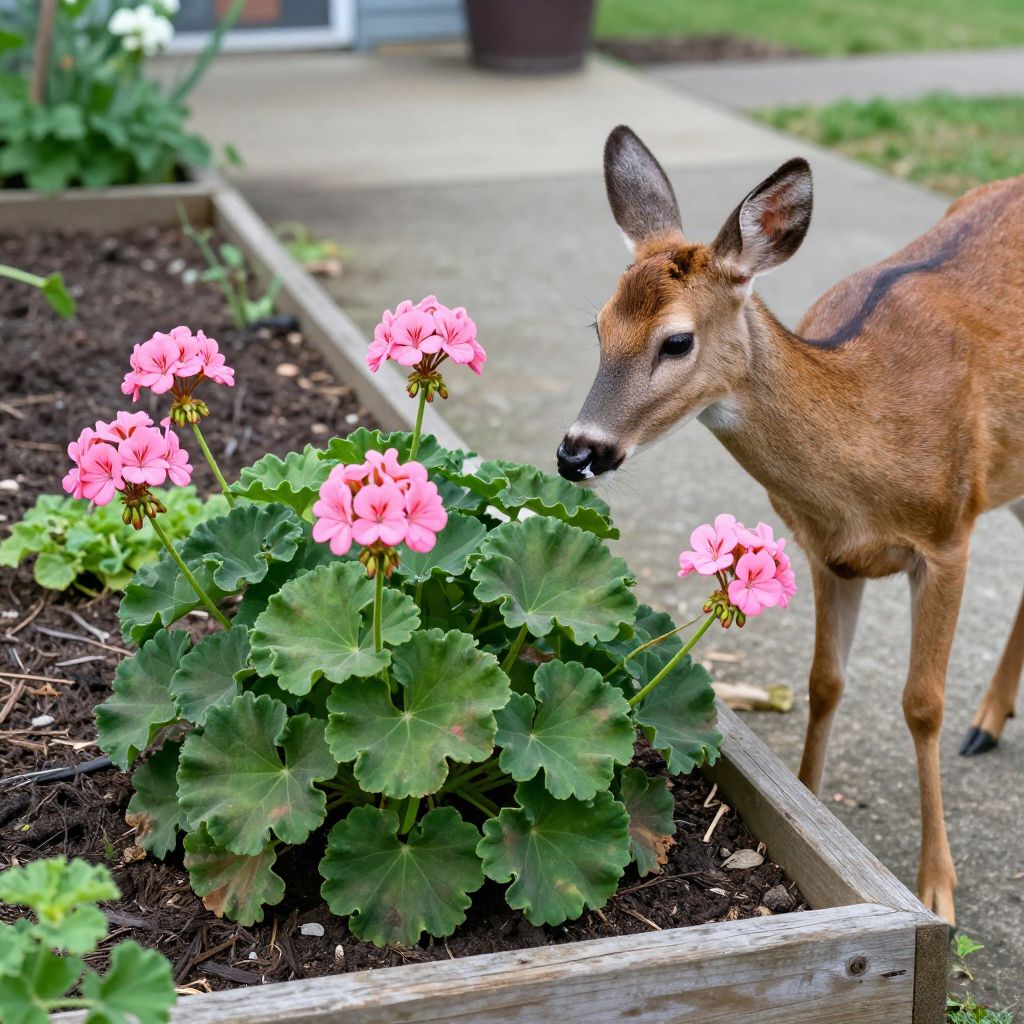
Do deer like geraniums? If you’ve found chewed foliage or nipped flower stems, you may be wondering whether geraniums are a safe choice for a deer-prone garden. The short answer is that deer usually avoid geraniums, but they are not a guaranteed deer-proof plant.
Geraniums can be a smart option when you want color with less browsing pressure, especially in mixed borders and containers. Still, hungry deer, young plants, and dry conditions can change their behavior, so it helps to know what makes geraniums less appealing and how to grow them well.
Do deer like geraniums?
Deer generally do not prefer geraniums, especially the common garden geraniums grown as annuals and many hardy geraniums. Their fuzzy or aromatic foliage, along with the plant’s texture, often makes them less attractive to deer than tender, sweet-smelling flowers. However, deer may still browse geraniums if food is scarce or other plants are more appealing.
Why deer usually leave geraniums alone
Deer choose plants based on availability, taste, texture, and moisture content. Geraniums often rank lower on their menu because the leaves are somewhat coarse or scented, and the flowers are not usually a top target.
What makes geraniums less appealing
- Leaf texture: Many geraniums have slightly hairy or firm leaves that deer tend to ignore.
- Fragrance: Some types have a noticeable scent that can discourage browsing.
- Plant habit: Geraniums are not as tender and succulent as many deer favorites.
What can still attract deer
Even “deer-resistant” plants can be eaten when pressure is high. Young growth, newly planted geraniums, and flowers in exposed areas may be nibbled first.
- Severe drought can make deer less selective.
- New plantings are often browsed before they establish.
- Deer may sample plants they normally avoid if nearby food is limited.
Geraniums are deer-resistant, not deer-proof
This is the most important thing to understand. Deer-resistant means deer are less likely to eat the plant, not that they will never touch it. If deer are a regular problem in your area, geraniums can reduce damage, but they should still be part of a broader planting plan.
Best ways to use geraniums in deer-prone gardens
- Plant them near the house, patio, or other high-traffic areas.
- Use them as a border plant mixed with other deer-resistant species.
- Grow them in containers on decks or raised planters.
- Place them where you can easily monitor and protect young plants.
Growing geraniums successfully
Healthy, vigorous geraniums are more likely to tolerate occasional browsing and recover faster from stress. Whether you grow bedding geraniums or hardy geraniums, give them the right light, soil, and moisture conditions for your climate.
Light
Most garden geraniums bloom best in full sun to light shade, though hot climates may benefit from afternoon shade. Hardy geraniums often prefer sun in cooler regions and partial shade where summers are intense.
Soil and drainage
Geraniums do best in soil that drains well. Heavy, waterlogged soil weakens roots and can make plants more vulnerable to pests and disease.
- Improve clay soil with compost to loosen structure.
- Avoid planting where water pools after rain.
- Use containers with drainage holes and a quality potting mix.
Watering
Water deeply when the top inch or two of soil feels dry, then let excess water drain away. Consistent moisture helps young plants establish, but soggy soil can cause root problems.
In containers, geraniums may need watering more often than in the ground, especially during warm, windy weather. Always adjust to rainfall, pot size, and soil type.
Feeding and compost
A light layer of compost at planting time can improve soil structure and support steady growth. Too much nitrogen can produce lush foliage with fewer flowers, so avoid overfeeding.
Planting tips for better deer resistance
How you plant geraniums can affect how likely deer are to notice them. A well-placed, healthy plant is less tempting than a stressed one sitting alone in an open bed.
- Choose a site with the right amount of sun for your geranium type.
- Prepare soil with compost if drainage or fertility is poor.
- Space plants so air can move around them and reduce disease pressure.
- Water thoroughly after planting to help roots settle in.
- Mulch lightly, keeping mulch away from the crown to prevent rot.
Container growing
Containers are a useful option if deer pressure is high. Moveable pots let you protect geraniums more easily and place them where deer are less likely to reach them.
- Use a pot large enough to hold moisture without staying soggy.
- Choose a sheltered spot if deer enter your yard at dusk or dawn.
- Check container plants more often in hot weather.
Pruning and maintenance
Regular cleanup helps geraniums stay full and blooming. Remove faded flowers and yellowing leaves to improve appearance and reduce stress on the plant.
Deadheading and trimming
Pinch or cut off spent blooms to encourage more flowering. If plants become leggy, trim them back lightly to promote bushier growth.
For hardy geraniums, a post-bloom trim can tidy the plant and sometimes encourage a fresh flush of foliage or flowers, depending on the type and season.
What to do after deer damage
If deer have nipped your geraniums, don’t panic. These plants often recover if the stems and crown are still healthy.
- Remove ragged stems with clean pruners.
- Water the plant if the soil is dry.
- Watch for secondary stress such as wilting or disease.
- Protect new growth if deer are still active.
Common pests and diseases
Deer are not the only issue geranium growers face. Stressed plants are more likely to attract pests or develop disease, especially in crowded or overly wet conditions.
Typical problems to watch for
- Root rot: Often caused by poor drainage or overwatering.
- Powdery mildew: More common when airflow is poor.
- Aphids and whiteflies: Can weaken tender growth.
- Botrytis or gray mold: May appear in cool, damp weather.
Good spacing, proper watering, and prompt removal of damaged leaves go a long way toward keeping plants healthy. Healthy geraniums are also less likely to become a target if deer are browsing nearby.
How to protect geraniums from deer
If deer visit your yard regularly, combine plant choice with physical protection. No single method works perfectly, but several small steps together can make a big difference.
Practical protection methods
- Fencing: The most reliable option for repeated deer pressure.
- Netting or cages: Useful for small beds or new plantings.
- Motion-activated deterrents: Can help in some settings.
- Plant placement: Keep geraniums close to the home or within enclosed spaces.
If you use repellents, follow the label carefully and reapply as directed, especially after rain. Results vary, and deer may become less responsive over time, so rotation and physical barriers often work better than repellents alone.
Propagation and replacing damaged plants
Geraniums are easy to replace or multiply, which is helpful if deer have damaged a planting. Many gardeners propagate from cuttings or divide hardy geraniums when appropriate for the plant type.
When to propagate
Take cuttings from healthy, non-blooming growth when the plant is actively growing. For hardy geraniums, division is often done when the plant is not in active bloom and has enough roots to recover well.
Use clean tools, healthy stems, and well-draining potting mix. If deer are a recurring issue, keeping a few backup plants in pots can save time and help you replace losses quickly.
Best mistakes to avoid
- Assuming geraniums are completely deer-proof.
- Planting in wet soil and then blaming deer for poor growth.
- Overfertilizing and producing soft, vulnerable growth.
- Ignoring young plants, which are often the most tempting.
- Using repellents without checking whether deer are still feeding nearby.
Final thoughts
So, do deer like geraniums? Usually not very much, which makes geraniums a useful choice for gardens where deer are common. But if deer are hungry enough, they may still sample them, so the best results come from healthy plants plus smart protection.
Start by planting geraniums in well-drained soil, giving them the right light, and protecting new growth if deer visit often. If you want to broaden your deer-resistant planting plan, you may also find it helpful to read more about what to feed deer so you can better understand their browsing habits and garden pressure.