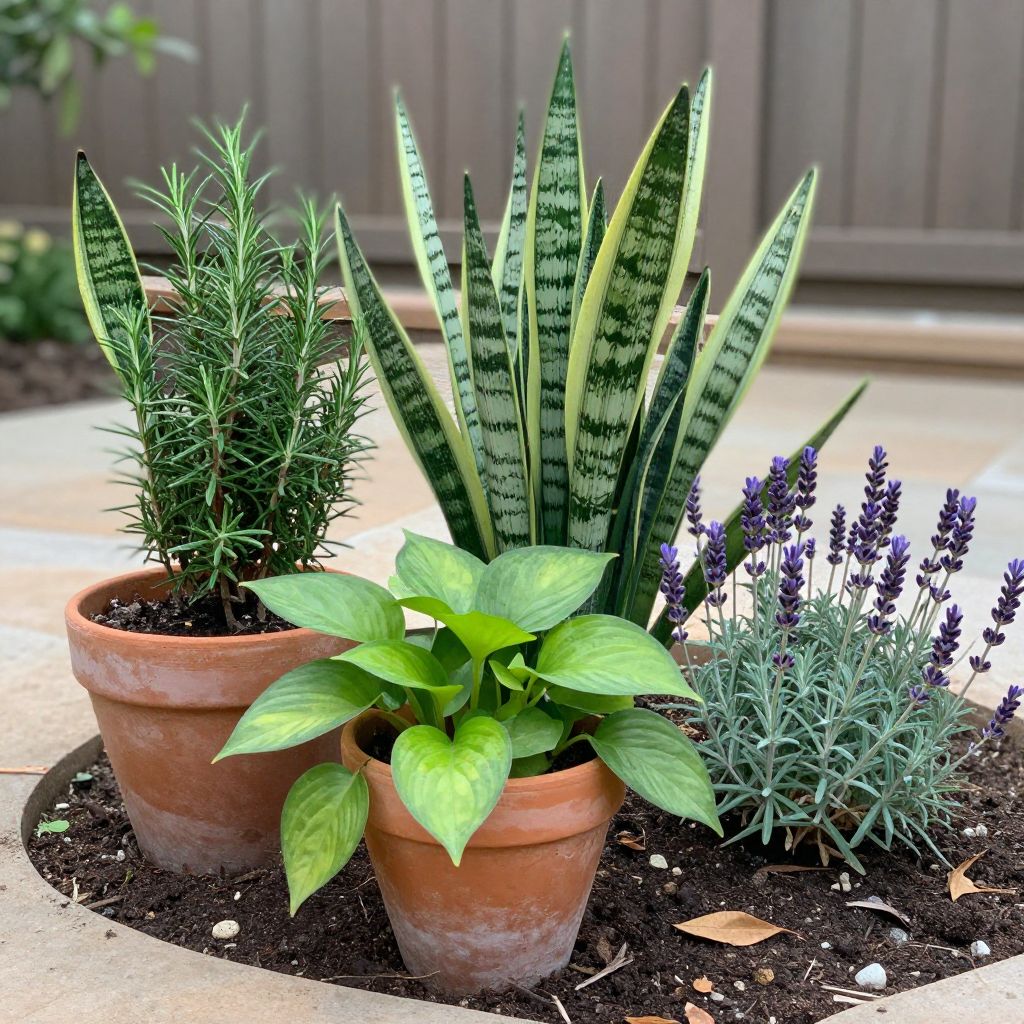
If you want a garden that survives missed waterings, poor soil, and a little neglect, you are probably looking for plants that are hard to kill. The best choices are not “no-care” plants, but tough, adaptable ones that tolerate a range of conditions and recover well from mistakes.
This guide will help you choose reliable plants, get them established, and avoid the most common reasons even hardy plants fail. Whether you are gardening indoors, on a patio, or in a yard, the key is matching the plant to your light, soil, and watering habits.
What are plants that are hard to kill?
Plants that are hard to kill are species that handle inconsistent watering, average soil, and occasional stress better than fussy plants. They usually have flexible light needs, sturdy roots, and good drought tolerance once established. The “hardest” plants still need drainage, the right light, and some basic care, but they forgive beginner mistakes much more easily.
Which plants are the most forgiving for beginners?
The most reliable hard-to-kill plants are those that match your growing space. Outdoors, many perennials and shrubs are tough once rooted. Indoors, a few houseplants tolerate lower light and missed watering better than others. Always choose based on your conditions first, then on appearance.
Reliable outdoor plants
- Daylilies (Hemerocallis) – adaptable, drought-tolerant once established, and long-lived.
- Sedum and other stonecrops – excellent for dry, sunny spots with sharp drainage.
- Black-eyed Susan (Rudbeckia) – tough, sunny-border perennials that bloom with modest care.
- Bee balm (Monarda) – vigorous in the right spot, though it prefers decent moisture.
- Hosta – very forgiving in shade, especially where soil stays evenly moist but not soggy.
- Lavender (Lavandula) – hardy in the right climate and excellent in well-drained soil.
- Coneflower (Echinacea) – sun-loving and relatively drought-tolerant once established.
Reliable indoor plants
- Snake plant (Dracaena trifasciata) – one of the best for low to moderate light and infrequent watering.
- Pothos (Epipremnum aureum) – adaptable, fast-growing, and forgiving of occasional neglect.
- ZZ plant (Zamioculcas zamiifolia) – stores water in thick roots and handles dry indoor air well.
- Spider plant (Chlorophytum comosum) – resilient and easy to propagate.
- Philodendron types commonly grown indoors – generally forgiving if not overwatered.
How do you plant hard-to-kill plants successfully?
Even tough plants fail if they are planted in the wrong spot or in heavy, waterlogged soil. Give them the right light, loosen compacted soil, and make sure excess water can drain away. Good planting is what turns a “survivor” plant into a long-term success.
Step-by-step planting basics
- Check the light. Match the plant to full sun, part shade, bright indirect light, or low light as needed.
- Inspect drainage. Soil should drain well enough that water does not sit around roots for long.
- Prepare the planting area. Mix in compost if the soil is poor or compacted, but avoid making it overly rich for plants that prefer lean soil.
- Plant at the right depth. Set the root ball so the top sits level with the surrounding soil, not buried deeper.
- Water in thoroughly. Wet the root zone after planting so soil settles around the roots.
- Mulch lightly outdoors. A 2–3 inch layer helps conserve moisture and reduce weeds, but keep mulch away from stems and trunks.
Container planting tips
- Use a pot with drainage holes.
- Choose a potting mix made for containers, not garden soil.
- Pick a container only slightly larger than the root ball for most houseplants.
- Empty saucers after watering so roots do not sit in water.
What growing conditions help tough plants thrive?
Hard-to-kill plants still have preferences. The better you match those preferences, the less maintenance they need and the longer they stay healthy. The biggest differences usually come down to light, drainage, and how often you water.
Light
Sun-loving plants such as coneflower, lavender, and sedum need several hours of direct sun. Shade-tolerant plants such as hosta do better with morning sun or filtered light. Indoors, snake plants and ZZ plants handle lower light, but they grow best in brighter indirect light.
Soil and drainage
Most plant problems start with soggy soil. If your garden has heavy clay, improve drainage by adding compost and planting in raised beds or mounds where needed. For containers, use a well-draining potting mix and never let pots sit in standing water.
Watering
Established tough plants usually need less water than new transplants. Water deeply when the top inch or two of soil is dry, then let the soil dry appropriately before watering again. For drought-tolerant plants, it is usually better to water less often but more thoroughly than to sprinkle lightly every day.
Temperature and climate
“Hardy” means different things in different places. A plant that survives winter outdoors in one region may need winter protection or container growing elsewhere. If you are unsure, check local extension guidance or nursery recommendations for your climate zone and seasonal extremes.
How do you care for low-maintenance plants without overdoing it?
The most common mistake with easy plants is too much attention. Overwatering, overfertilizing, and frequent repotting can cause more damage than occasional neglect. Simple, consistent care is usually enough.
Pruning and cleanup
- Remove dead or damaged leaves to improve appearance and airflow.
- Deadhead spent flowers on plants that rebloom or look better with cleanup.
- Cut back overgrown perennials after flowering or at the end of the season, depending on the plant.
- For houseplants, trim leggy growth to encourage fuller shape.
Fertilizing
Many tough plants need very little fertilizer. Too much nitrogen can create weak, floppy growth and fewer flowers. A light application of compost outdoors or a balanced houseplant fertilizer used sparingly during active growth is usually enough. Always follow the label and reduce feeding if the plant is already growing well.
Repotting and dividing
Houseplants often need repotting only when roots fill the pot or water runs straight through without soaking in. Outdoor perennials such as hosta and daylily can be divided when clumps become crowded, but only if the plant is healthy and the timing suits your climate.
What problems still affect hard-to-kill plants?
Resilient plants are not invincible. Most issues come from poor placement, overwatering, or pests that take advantage of stressed plants. Catching problems early keeps a tough plant from becoming a struggling one.
Common mistakes to avoid
- Planting in soggy soil when the plant needs drainage.
- Overwatering houseplants because the top of the soil looks dry while the root ball is still wet.
- Using too much fertilizer on slow-growing or drought-tolerant plants.
- Putting shade plants in hot sun or sun plants in deep shade.
- Choosing the wrong pot size or a pot without drainage holes.
Pests and diseases
Even tough plants can get aphids, spider mites, mealybugs, powdery mildew, or root rot. Good airflow, proper spacing, and careful watering prevent many problems. If you see sticky residue, webbing, or distorted leaves, inspect the plant closely and isolate houseplants before the issue spreads.
Signs your plant is stressed
- Yellowing leaves from too much water or poor drainage
- Wilting even when soil is wet, which can indicate root damage
- Scorched leaf edges from too much sun or dry air
- Slow growth from low light, root crowding, or nutrient imbalance
How do you choose the right hard-to-kill plant for your space?
The best plant is the one that fits your conditions and your habits. A “tough” plant that needs full sun will still fail in a dark corner, and a drought-tolerant plant will struggle in constantly wet soil. Start with the site, then narrow your choices.
Ask these questions first
- How much direct light does the spot get?
- Does the soil drain quickly or stay wet?
- Will the plant live in the ground or in a container?
- How often will you realistically water it?
- Do you need a plant for shade, sun, indoor low light, or a dry patio?
Best matches by situation
- Dry, sunny bed: sedum, lavender, coneflower, black-eyed Susan
- Shady border: hosta, some ferns, shade-tolerant perennials
- Low-light indoor space: snake plant, ZZ plant, pothos
- Forgetful waterer: snake plant, ZZ plant, sedum, established daylilies
- Small pot or desk plant: spider plant, pothos, compact houseplants suited to indoor light
Can hard-to-kill plants still look attractive?
Yes. Tough plants can be just as beautiful as fussy ones, especially when grouped well. Repeating a few reliable species in drifts or clusters often creates a cleaner, more polished look than mixing too many plants with different needs.
For a low-maintenance garden, combine plants with similar light and water needs, use mulch to reduce weeds, and leave enough room for mature growth. That approach keeps the planting tidy and reduces the need for constant intervention.
Conclusion: start with one reliable plant and build from there
If you want plants that are hard to kill, choose species that fit your light, soil, and watering routine, then give them good drainage and a sensible start. Begin with one or two proven plants, watch how they respond, and adjust your care to your local conditions rather than forcing a rigid schedule.
If you want to keep building a low-maintenance garden, you may also enjoy reading about easy-care perennial planting and container gardening basics.