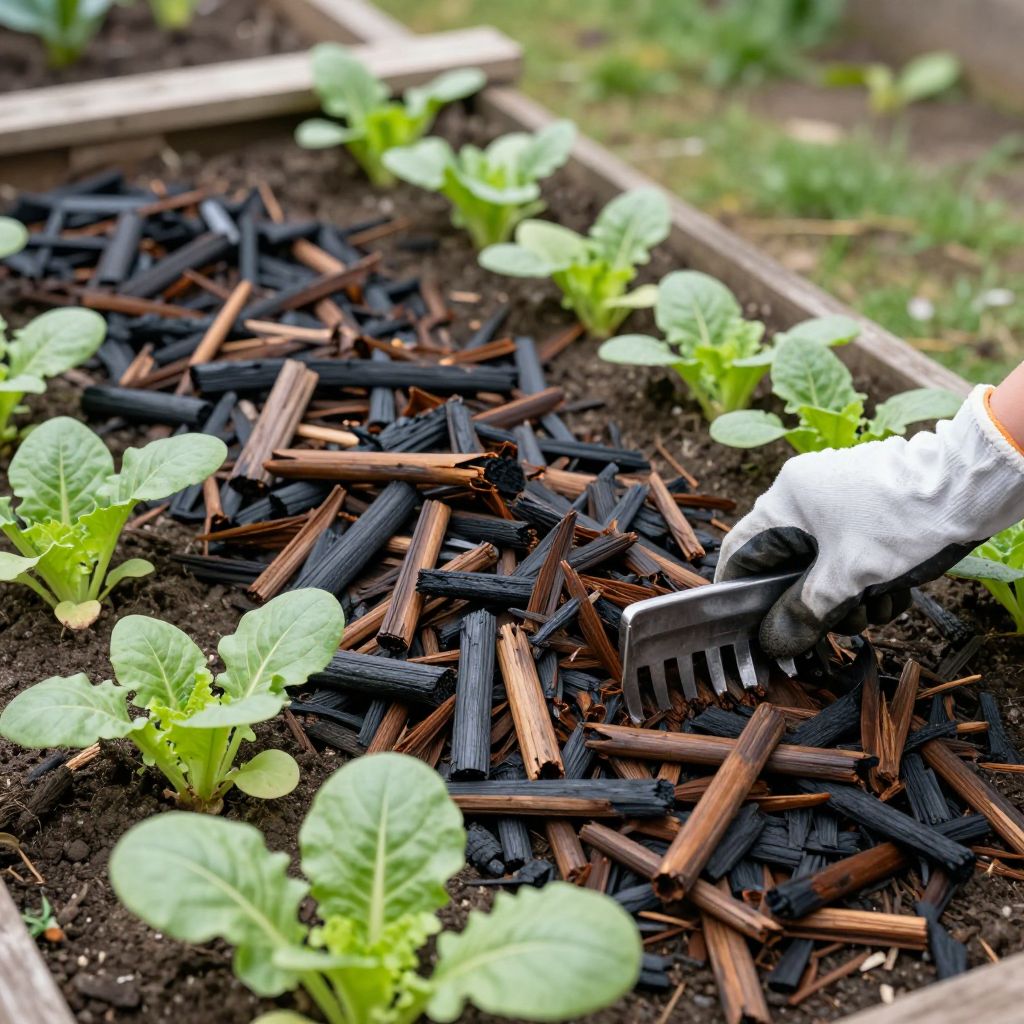
If you’ve seen “carbonized bamboo” on garden products or plant labels and wondered what it means, you’re not alone. The term can refer to bamboo that has been heat-treated for use in gardening, or to bamboo material that has been charred for decorative and practical purposes.
In a garden context, carbonized bamboo is usually valued for its darker color, durability, and natural look. Understanding what it is helps you choose the right stakes, edging, trellis material, or decor and avoid confusing it with living bamboo plants.
What is carbonized bamboo?
Carbonized bamboo is bamboo that has been heated in a controlled process to darken its color and change its surface characteristics. It is not a bamboo species. In gardening, it is commonly used as a natural-looking material for stakes, supports, fencing, trellises, and decorative features.
How carbonized bamboo is made
Carbonization is a heat treatment, usually done after bamboo has been harvested, dried, and prepared. The process darkens the outer surface and can make the material look richer and more uniform than untreated bamboo.
What the process changes
- Color: light bamboo becomes tan, amber, or brown.
- Appearance: the finish looks more rustic or decorative.
- Surface behavior: it may feel slightly smoother or more sealed, depending on the treatment.
- Garden use: it is often chosen for visible supports and landscape accents.
Carbonized bamboo is still bamboo, so it remains a natural material. However, it is not the same as a living bamboo plant growing in the ground.
How to identify carbonized bamboo in garden products
If you are shopping for garden materials, carbonized bamboo is usually easy to spot once you know what to look for. It has a warm brown tone rather than the pale yellow color of untreated bamboo.
Common visual clues
- Darker, caramel, chestnut, or coffee-brown coloring
- Natural nodes and joints still visible
- A more uniform tone than raw bamboo
- Sometimes a slightly glossy or sealed finish
How it differs from other bamboo products
- Untreated bamboo: usually light tan or pale yellow-green.
- Painted bamboo: color may look artificial or overly even.
- Pressure-treated wood: not bamboo, and usually heavier or more obviously wood-grained.
- Living bamboo: a growing plant with culms, leaves, and roots, not a finished product.
If the label is unclear, ask whether the item is a harvested bamboo product or a living bamboo species. That distinction matters for planting, maintenance, and longevity.
What is carbonized bamboo used for in gardening?
Carbonized bamboo is popular wherever you want a natural look with a bit more visual warmth than pale bamboo provides. It works well in ornamental and practical garden projects.
Useful garden applications
- Plant stakes for tomatoes, beans, peas, and flowering annuals
- Trellises for climbing crops and vines
- Edging and small borders
- Lightweight fencing or screening
- Decorative supports for containers and raised beds
- Craft-style garden features such as plant markers or obelisks
Because bamboo is lightweight, it is best for moderate-duty support rather than heavy structural jobs. For tall, wind-exposed, or long-term installations, check the thickness and joinery before relying on it.
Is carbonized bamboo good for the garden?
Yes, it can be a good choice when you want a natural material that blends into planting beds and containers. Its main strengths are appearance, light weight, and ease of use. Its main limitation is that it is still an organic material that can weather, split, or decay over time.
Advantages
- Attractive darker color
- Easy to cut and install
- Lightweight for simple garden projects
- Renewable material compared with many plastics
Limitations
- Not permanent outdoors
- Can crack as it dries further
- May degrade faster in constant wet soil
- Quality varies widely by supplier
The best results come from using carbonized bamboo where it can stay relatively dry and be replaced when needed. If you need a very long-lasting support, compare it with cedar, metal, or fiberglass options.
How to use carbonized bamboo in the garden
Use carbonized bamboo the same way you would use other bamboo garden materials, but give it a little extra care to extend its life. Proper placement matters more than the color treatment.
Step-by-step installation tips
- Choose the right thickness. Thin canes suit light plants; thicker poles suit heavier vines or taller supports.
- Inspect each piece. Avoid bamboo with deep splits, soft spots, or insect holes.
- Set it above the wettest soil. Push only the necessary length into the ground.
- Use ties that won’t cut stems. Soft garden twine, plant tape, or flexible ties work well.
- Anchor larger structures well. Tie joints securely if building a trellis or screen.
Best practices for plant support
- Insert stakes before plants get too large, so roots are not disturbed later.
- Place supports on the windward side when possible.
- Check ties regularly as stems thicken.
- Replace pieces that become soft, moldy, or unstable.
For container plants, bamboo supports are especially useful because they are light and easy to reposition. Just make sure the pot is heavy enough that the support won’t tip it over in wind.
How to care for carbonized bamboo outdoors
Carbonized bamboo needs little direct care, but a few habits will help it last longer. The biggest threats are moisture, sun exposure, and physical stress.
Maintenance tips
- Keep it off soggy ground when possible.
- Wipe off excess soil after use or after heavy rain.
- Store spare pieces in a dry, shaded place.
- Recoat only if the manufacturer recommends a specific finish.
- Inspect seasonal installations at the start and end of the growing season.
If you use carbonized bamboo for decorative edging or fencing, expect gradual weathering. A little fading is normal. Rapid splitting, mildew, or softness usually means the material is staying too wet or was not well dried before sale.
Does carbonized bamboo need special soil or watering?
Carbonized bamboo as a material does not need soil or watering, but if you are using it to support plants, the plants around it still need the right growing conditions. Match your care to the crop, not to the bamboo itself.
For plants supported by bamboo
- Use well-drained soil for most garden vegetables and ornamentals.
- Water at the base of plants to reduce mildew on stems and supports.
- Mulch around plants to keep moisture even without soaking the support.
- Avoid burying bamboo too deeply in constantly wet soil.
In rainy climates, bamboo supports may break down faster than they do in dry regions. In humid areas, airflow and drainage are especially important if you want to reduce mold and rot.
Common problems with carbonized bamboo
Most issues come from exposure, storage, or choosing the wrong product for the job. Learning the warning signs helps you avoid disappointment.
Splitting and cracking
This is common as bamboo dries or ages. Small surface checks are usually harmless, but deep splits can weaken stakes and poles.
Mildew or mold
White, gray, or dark fuzzy growth usually means the bamboo has been stored or installed in damp conditions. Improve airflow and remove badly affected pieces.
Insect damage
Some bamboo products can attract borers or other insects if they were not properly cured. Look for tiny holes, powdery debris, or soft sections.
Premature rot
If the lower end is buried in wet soil for long periods, decay can begin quickly. Use a shorter insertion depth and replace damaged stakes before they fail.
How to choose a quality carbonized bamboo product
Not all bamboo products are equal. A careful choice at the store or online can save you time and replacement costs later.
What to look for
- Even color without large burned patches
- Firm, dry poles with no soft areas
- Clean cuts at the ends
- Straight pieces for stakes and supports
- Clear product labeling for outdoor use
What to avoid
- Pieces that feel damp or heavy with moisture
- Visible cracks at the nodes that run deeply into the cane
- Strong musty odor, which can suggest poor storage
- Very thin poles for heavy crops or windy sites
If you are building a visible garden feature, buy a few extra pieces so you can match color and size. Natural materials vary, and replacements from a different batch may look slightly different.
Can carbonized bamboo be used for living bamboo plants?
No. Carbonized bamboo is a processed material, not a planting medium and not a live plant. You cannot root it into the ground and expect it to grow.
If you want to grow bamboo as a plant, choose a living species suited to your climate and site. Then use carbonized bamboo separately as a support or decorative material around the planting area.
Practical mistakes to avoid
A few simple mistakes can shorten the life of carbonized bamboo or make it less useful in the garden.
- Burying too much of the pole: this speeds rot.
- Using thin canes for heavy plants: they may bend or snap.
- Leaving it in standing water: moisture damage develops quickly.
- Skipping inspection: weak pieces can fail midseason.
- Assuming all bamboo is the same: treated, untreated, and living bamboo serve different purposes.
Conclusion
Carbonized bamboo is simply heat-treated bamboo used for gardening and landscape projects, prized for its darker color and natural look. If you choose sturdy pieces, keep them out of constant moisture, and match the support to the plant, you can use it effectively for many seasons.
For more practical garden material guidance, you may also want to read about choosing bamboo garden stakes and planning trellis ideas for climbing plants.