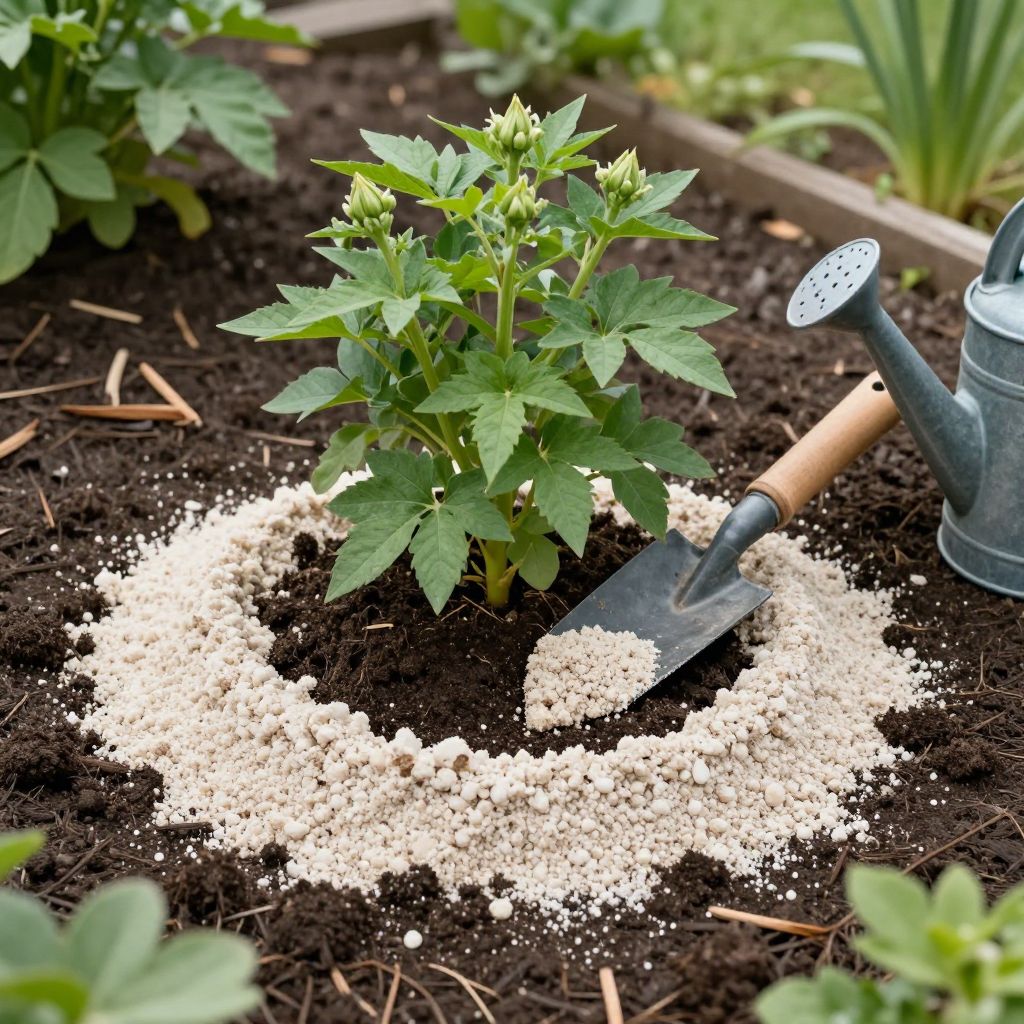
What does bone meal do for plants, and is it worth adding to your garden soil? Bone meal is a slow-release organic amendment made from finely ground animal bones, valued mainly for supplying phosphorus and calcium. It can help support root development, flowering, and fruiting when your soil is low in those nutrients.
It is not a quick fix or a complete fertilizer. Used correctly, bone meal works best as part of a broader soil-building plan that includes compost, good drainage, and the right pH for the plants you are growing.
What does bone meal do for plants?
Bone meal primarily adds phosphorus and calcium to soil. Gardeners use it to encourage strong roots, transplant establishment, flowering, and fruit set in plants that need a phosphorus boost. It releases slowly, so it is best for long-term soil improvement rather than immediate correction of a problem.
How bone meal works in the garden
Bone meal is made from steamed and ground bones, usually from livestock. Because it breaks down gradually, plants can access nutrients over time as soil microbes and moisture help release them.
What the nutrients actually do
- Phosphorus supports root growth, bud formation, flowering, and fruiting.
- Calcium helps build strong cell walls and supports overall plant structure.
- It may also contain small amounts of other minerals, but it is not a balanced fertilizer.
That means bone meal is most useful when a soil test shows low phosphorus or when you are planting something that benefits from steady root support, such as bulbs, perennials, shrubs, and many fruiting crops.
When bone meal helps most
Bone meal is most helpful at planting time or when working organic matter into garden beds. It is commonly used for:
- New transplants that need root establishment
- Flowering bulbs and perennials
- Roses and ornamental shrubs
- Fruit trees and berry plants in low-phosphorus soil
- Vegetable beds where soil tests indicate a deficiency
It is less useful if your soil already contains enough phosphorus. In that case, adding more can do little for plant growth and may create nutrient imbalance.
How to use bone meal correctly
The safest way to use bone meal is to start with a soil test, then apply it only where it makes sense. If you do not have a test, use it sparingly and focus on compost, mulch, and good soil structure first.
Step-by-step application
- Check your soil pH and nutrient levels if possible.
- Loosen the planting area or potting mix before planting.
- Mix bone meal into the root zone, not just on the surface.
- Water well after application to help it settle into the soil.
- Mulch and maintain even moisture so roots can grow into the amended area.
For established plants, lightly work it into the top few inches of soil around the drip line, then water thoroughly. Avoid piling it directly against stems or trunks.
Container plants
In pots, use bone meal cautiously. Container mixes are smaller and nutrients can build up faster, especially if you already fertilize regularly. It is usually better for containers with long-lived plants or bulbs than for fast-growing annuals that need more balanced feeding.
Bone meal vs. other fertilizers
Bone meal is not the same as a general-purpose fertilizer. It is a specialty amendment, and that matters when you are deciding what your plants need.
- Bone meal: slow-release phosphorus and calcium
- Compost: improves soil structure and adds a broad range of nutrients in smaller amounts
- Balanced fertilizer: supplies nitrogen, phosphorus, and potassium more evenly
- Manure: adds organic matter and nutrients, but quality and nutrient levels vary
If your plants look pale and weak in general, bone meal is usually not the answer. That kind of symptom often points to low nitrogen, poor drainage, compacted soil, root problems, or insufficient light.
Signs your plants may need phosphorus
Phosphorus deficiency is not always easy to identify, and it can look similar to other problems. Common signs include:
- Slow, stunted growth
- Poor root development
- Delayed flowering or fruiting
- Purple or reddish coloring on older leaves in some plants
Even so, these symptoms can also come from cold soil, compacted ground, overwatering, or roots that cannot access nutrients. A soil test is the best way to confirm whether bone meal is appropriate.
Soil pH matters more than many gardeners realize
Bone meal works best in soil that is not too acidic or too alkaline. If the pH is off, plants may not be able to absorb phosphorus efficiently even when it is present.
Why pH affects results
In very acidic or very alkaline soil, phosphorus can become tied up and less available to roots. That means you may add bone meal and still see little improvement.
If your garden has pH issues, correct those first with the right soil amendment for your situation. Bone meal should support healthy soil chemistry, not replace it.
Common mistakes to avoid
Bone meal is easy to overuse because it seems natural and gentle. These are the most common mistakes gardeners make:
- Applying it without a soil test
- Using it as a complete fertilizer
- Adding too much to already rich soil
- Expecting fast results
- Ignoring drainage, compaction, or poor light
- Leaving it on the soil surface where it may be less effective
More bone meal is not better. Excess phosphorus can interfere with the uptake of other nutrients and may contribute to runoff problems if it washes away from the garden.
How to troubleshoot poor results
If you used bone meal and your plants still are not improving, look at the whole growing environment. Nutrients only help when roots can actually use them.
Check these conditions first
- Watering: Soil should be evenly moist, not soggy or bone dry.
- Drainage: Waterlogged soil can damage roots and block nutrient uptake.
- Sunlight: Many flowering and fruiting plants need full sun to perform well.
- Root space: Crowded roots in pots or compacted beds limit growth.
- Soil texture: Heavy clay or very sandy soil may need compost to improve performance.
If the plant is healthy but not flowering, the issue may be too much nitrogen, too little light, pruning at the wrong time, or simply a young plant that is not mature enough yet.
Is bone meal safe to use around pets and wildlife?
Bone meal can attract dogs, raccoons, and other animals because of its scent. If you use it, mix it into the soil well and water the area afterward. Do not leave it exposed on the surface where pets can dig it up.
If you garden where wildlife pressure is high, consider whether another amendment would be easier to manage. Safety and practicality matter as much as nutrient value.
Best plants for bone meal
Some plants respond better than others, especially when planted in soil that is genuinely low in phosphorus.
- Bulbs such as tulips, daffodils, and other spring bloomers
- Roses and many flowering shrubs
- Perennials being divided or transplanted
- Fruit trees and berry bushes during establishment
- Rooting transplants that need a strong start
Fast-growing leafy vegetables usually need more nitrogen than bone meal provides, so they are not the best match for this amendment on its own.
Practical takeaway for home gardeners
Bone meal can be useful, but only when your soil and plants actually need phosphorus and calcium. Think of it as a targeted soil amendment, not a cure-all. The best results come from combining it with compost, proper watering, good drainage, and the right light for the plant.
If you are unsure whether to use it, start with a soil test and observe your plants closely. For more seasonal soil-building ideas, you may also want to read related gardening guides on composting and improving garden soil.