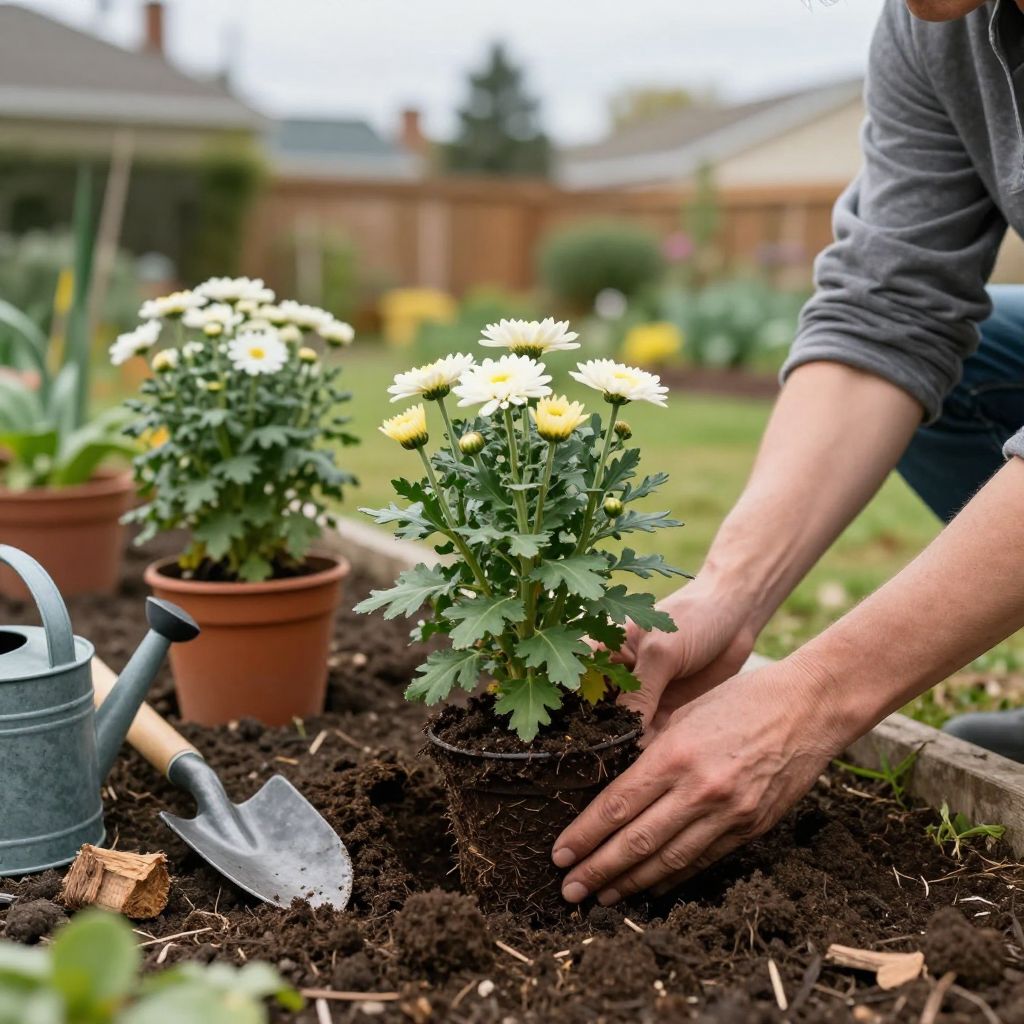
Wondering when to plant mums so they settle in well and bloom beautifully? The best time depends on whether you’re planting garden mums in spring for long-term growth or setting out fall mums for seasonal color. Timing matters because chrysanthemums need enough root development, sunlight, and moisture to establish before extreme heat or frost.
With the right planting window and a few simple care steps, mums can become reliable garden plants instead of short-lived decorations. Here’s how to choose the best time, prepare the soil, and help them thrive in your climate.
When to plant mums?
The best time to plant mums is in spring to early summer if you want them to establish as perennial garden plants. You can also plant fall mums for instant color, but they usually perform best as seasonal displays unless they have several weeks to root before freezing weather. Plant when soil is workable, temperatures are moderate, and the plants have time to settle in.
Spring planting vs. fall planting
Spring planting: best for long-term success
Spring is the ideal planting time for hardy garden mums because roots can grow through the warm season before winter arrives. This gives the plant a better chance of surviving cold weather and returning with fuller growth next year.
If you buy mums in spring or early summer, plant them as soon as possible after the last frost for your area. In cooler regions, that may be late spring. In warmer climates, early spring or even early fall may work if winter is mild.
Fall planting: good for color, not always for overwintering
Fall planting is common because garden centers are full of blooming mums at that time. These plants can brighten porches, beds, and containers right away, but they may not have enough time to establish roots before frost.
If you plant mums in fall, do it at least 6 to 8 weeks before your first expected hard frost. That gives them a fighting chance to root in. If frost is close, treat them as temporary seasonal plants or keep them in pots until spring.
How to choose the right mum for planting
Not all mums are equally suited to the garden. Many fall mums sold in grocery stores and garden centers are bred for quick color, not long-term landscape performance.
- Garden mums or hardy chrysanthemums are better for planting in beds.
- Florist mums are often less cold-hardy and are usually grown for indoor or short-term display.
- Look for plants with healthy green leaves, no wilting, and several buds that are not fully open.
- Avoid plants that are rootbound, dry, or already declining from stress.
If you want mums to come back, choose plants that are labeled for outdoor garden use and suited to your local climate.
How to plant mums in the garden
Pick the right site
Mums grow best in full sun, which means at least 6 hours of direct light daily. They can tolerate light shade, but too little sun leads to weak stems, fewer flowers, and poor overwintering.
Choose a spot with good air movement and well-drained soil. Avoid low areas where water collects after rain or snowmelt.
Prepare the soil
Mums prefer soil that is loose, fertile, and drains well. Before planting, work in a few inches of compost to improve structure and moisture retention without making the soil soggy.
If your soil is heavy clay, improve drainage by mixing in compost and planting slightly raised mounds or beds. If your soil is very sandy, compost helps it hold moisture and nutrients better.
Plant at the same depth
Dig a hole twice as wide as the root ball and about the same depth. Set the plant so the top of the root ball is level with the surrounding soil.
Backfill gently, firm the soil lightly, and water thoroughly to settle the roots. Do not bury the crown deeper than it was growing in the pot, since that can encourage rot.
Space plants properly
Give mums room to grow and dry out between rains. Space them according to mature size, which varies by type and cultivar, but many garden mums do well about 18 to 24 inches apart.
Good spacing helps reduce disease and keeps plants from becoming crowded and floppy.
Container planting tips for mums
Mums grow well in pots, window boxes, and mixed containers, especially for fall displays. Use a container with drainage holes and a high-quality potting mix, not garden soil, which can compact in pots.
- Choose a pot that is wide enough for root growth.
- Keep the soil evenly moist, but never waterlog it.
- Place containers where they get full sun.
- Raise pots slightly off the ground so water can drain freely.
Container mums dry out faster than in-ground plants, especially in wind or warm weather, so check them often.
Watering mums after planting
Water newly planted mums deeply right after planting. For the first few weeks, keep the soil consistently moist but not saturated while roots establish.
After that, water when the top inch of soil feels dry. Try to water at the base of the plant rather than over the leaves, since wet foliage can encourage disease.
Consistent moisture matters more than frequent shallow watering. Deep watering helps roots grow downward and makes plants more resilient.
Mulching, feeding, and early care
Mulch to protect roots
Apply a 2- to 3-inch layer of organic mulch around the base of planted mums, but keep it a few inches away from the stems. Mulch helps conserve moisture, suppress weeds, and moderate soil temperature.
In colder climates, mulch can also help protect roots through winter. In spring, avoid piling mulch directly against the crown.
Fertilize lightly
Mums do not need heavy feeding to perform well. If your soil is healthy and amended with compost, that may be enough at planting time.
If growth is weak later in the season, use a balanced fertilizer sparingly according to the product label. Too much nitrogen can produce lots of leaves and fewer flowers.
Pinching mums for fuller plants
If you are planting mums in spring or early summer, pinching can help them grow bushier and bloom more densely. When stems reach about 6 to 8 inches tall, pinch off the top inch or so of new growth.
Repeat pinching every few weeks until midsummer or about 6 to 8 weeks before the expected bloom period. Stop pinching later in the season so buds can form.
This step is not necessary for every plant, but it often improves shape and flower quantity in garden mums.
Common mistakes to avoid
- Planting too late in fall, when roots cannot establish before frost.
- Using poor drainage, which can lead to root rot.
- Buying fully open mums if you want the longest bloom period.
- Overwatering, especially in cool weather or containers.
- Too much shade, which weakens flowering and stems.
- Leaving mulch against the crown, which can trap moisture and cause rot.
How to help mums survive winter
If you planted mums in spring, they have the best chance of surviving winter. Still, winter protection depends on your climate, soil drainage, and how well the plant was established.
In colder areas, wait until the ground begins to freeze, then apply a loose mulch layer around the plant to protect the roots. Avoid cutting mums back too early in fall if you want the top growth to help shield the crown a bit longer.
In very wet winter climates, drainage matters as much as cold protection. Wet soil around dormant roots can be more damaging than cold alone.
Pests and diseases to watch for
Mums are fairly easy to grow, but they can run into a few common problems, especially in crowded or damp conditions.
- Aphids: small insects that cluster on tender growth; rinse off with water or use insecticidal soap if needed.
- Spider mites: more common in hot, dry weather; leaves may look speckled or dusty.
- Powdery mildew: a white coating on leaves, often caused by poor air circulation.
- Root rot: caused by soggy soil or poor drainage.
The best prevention is simple: plant in sun, space properly, water at the base, and avoid keeping the soil constantly wet.
Can you plant mums from a store display?
Yes, but timing matters. If you buy a blooming mum in early fall and want to plant it in the ground, do so immediately and give it the best possible conditions. The earlier in the season you plant, the better the odds of survival.
If the plant is already stressed, rootbound, or nearly finished blooming, it may be better to enjoy it in a pot for the season and replace it later with a healthier garden mum in spring.
Quick planting checklist
- Choose a sunny site with well-drained soil.
- Plant in spring for best long-term results, or early fall if frost is still weeks away.
- Set the plant at the same depth it grew in the pot.
- Water deeply after planting.
- Mulch lightly, keeping mulch away from the stems.
- Pinch spring-planted mums for bushier growth if desired.
Conclusion
If you’re deciding when to plant mums, aim for spring if you want them to return and grow into strong garden plants. Fall planting can still work, especially in mild climates or when frost is far away, but it is usually better for short-term color than long-term establishment.
Start with a healthy plant, give it sun and well-drained soil, and keep watering consistent while roots settle in. If you want more seasonal planting ideas, you may also enjoy reading about how to prepare garden beds for fall planting and choosing the best flowers for sunny borders.