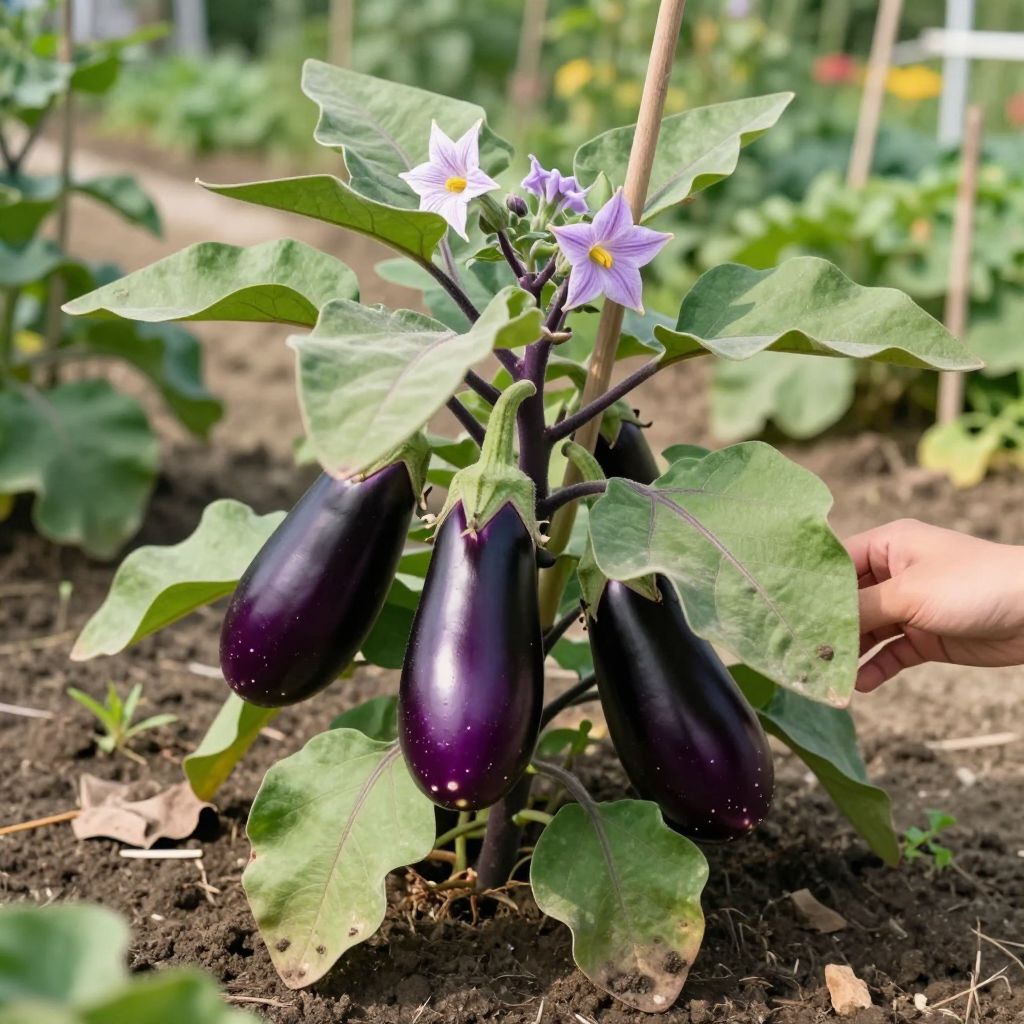
When is eggplant in season? The short answer is that eggplant is usually at its best in late summer through early fall, when warm weather has ripened the fruits and they’re glossy, firm, and full-sized. In many gardens, harvest begins about 70 to 90 days after transplanting, depending on variety and growing conditions.
If you grow your own, the season can stretch longer than the grocery-store window. Eggplant is a warm-season crop that needs steady heat, so timing, sunlight, and frost-free weather matter just as much as the calendar.
When is eggplant in season?
Eggplant is typically in season from midsummer through early fall in most temperate climates, with peak quality in warm weather. In home gardens, it grows best after nights stay reliably above 55°F and continues producing until cool temperatures slow flowering and fruit set.
What affects eggplant seasonality?
Eggplant season depends on your climate, planting method, and variety. Unlike cool-season crops, eggplant needs long, warm days to grow well and set fruit, so its harvest window is tied closely to summer heat rather than a fixed month on the calendar.
Climate and frost timing
Eggplant is very sensitive to frost and cold soil. If you plant too early, growth stalls and flowers may drop before fruits form.
In cooler regions, you may only get a reliable harvest in the warmest part of summer. In hotter climates, the plant can produce for a much longer stretch, especially if it is protected from extreme heat stress.
Transplants vs. direct sowing
Most gardeners start eggplant from transplants rather than direct seed because the plant needs a long, warm season. Starting indoors gives you a head start and helps fruits mature before the weather cools.
If you direct sow outdoors, the soil must be warm and the season long enough for maturity. In short-season areas, that often means poor results unless you use season extension such as row covers or a greenhouse.
Variety maturity
Different eggplant varieties mature at different speeds. Compact or early types may produce sooner, while large-fruited varieties often need more time and warmth.
Check the seed packet or plant tag for “days to maturity,” but treat that as a guide, not a guarantee. Weather, soil fertility, and light all affect the actual harvest date.
How to grow eggplant for the best seasonal harvest
To get eggplant in season at the right time, focus on warm soil, strong light, and steady growth from transplanting through fruiting. Healthy plants are much more likely to set fruit during the peak summer window.
Start with the right site
- Choose full sun: at least 6 to 8 hours daily.
- Use fertile, well-drained soil.
- Avoid low spots where cold air settles in spring.
- Pick a sheltered area if your garden is windy.
Eggplant grows best in soil that warms quickly and drains well. Heavy, waterlogged soil can delay growth and increase disease problems.
Prepare the soil
Work in compost before planting to improve structure and moisture retention. Eggplant prefers rich soil, but too much nitrogen can push leafy growth at the expense of flowers and fruit.
A slightly acidic to neutral soil is generally suitable. If your soil is compacted or clay-heavy, raised beds can help improve drainage and warm up faster in spring.
Plant at the right time
Set transplants outdoors only after all frost danger has passed and nighttime temperatures are consistently warm. If your area has cool springs, wait longer rather than rushing plants into cold soil.
Harden off seedlings gradually over 7 to 10 days before planting outdoors. This helps reduce shock and improves early growth, which can make a noticeable difference in when the crop comes into season.
Water consistently
Eggplant needs even moisture, especially while flowering and setting fruit. Irregular watering can cause blossom drop, small fruits, or bitter texture.
Water at the base of the plant to keep foliage drier and reduce disease risk. Mulch can help conserve moisture and moderate soil temperature, but keep it a little away from the stem.
Support and prune as needed
Many eggplants benefit from staking or caging once they begin to load up with fruit. Support keeps branches from breaking and helps fruits stay clean and well-shaped.
Light pruning can improve airflow, especially in humid climates. Remove damaged leaves and weak lower growth if plants become crowded, but avoid heavy pruning that reduces leaf area and slows fruiting.
When to harvest eggplant
Harvest eggplant when the skin is glossy, the fruit feels firm but slightly springy, and the size matches the variety’s expected mature size. Picking at the right stage keeps the crop tender and encourages the plant to keep producing.
Signs it’s ready
- Skin is shiny, not dull.
- Fruit feels firm with a little give.
- Seeds inside are still small and soft.
- Color is fully developed for the variety.
If the skin turns dull or the fruit feels hard, it is usually overmature. Overripe eggplant often becomes seedy and less tender, and the plant may slow down afterward.
How to harvest without damaging the plant
Use clean pruners, scissors, or a sharp knife to cut the fruit from the plant, leaving a short stem attached. Pulling by hand can tear branches and reduce future production.
Check plants every few days during peak season. Frequent harvests often lead to more flowers and a longer picking period.
How long does eggplant stay in season in the garden?
In a productive garden, eggplant can stay in season for several weeks to a few months, depending on heat, variety, and pest pressure. The plant usually produces most heavily during the warmest part of summer and slows as nights cool in late season.
In frost-free or long-season climates, eggplant may continue fruiting well into fall. In shorter-season gardens, the harvest window may be much narrower, so early starts and warm microclimates are especially valuable.
Common problems that shorten the season
Several issues can make eggplant less productive or delay the harvest. Catching them early helps you get the most from the season you have.
Cold stress
Cold nights can cause slow growth, poor flowering, and fruit drop. If temperatures dip unexpectedly, protect plants with row covers or cloches, especially early in the season.
Too much nitrogen
Excess nitrogen can produce lush leaves but few flowers. If your plant looks big and green but isn’t fruiting, ease up on high-nitrogen feeding and focus on balanced soil fertility.
Water stress
Dry spells can lead to small, bitter fruit or blossom drop. On the other hand, soggy soil can weaken roots and invite disease. Aim for even moisture and good drainage.
Pests and disease
Common pests include flea beetles, aphids, and spider mites. In some gardens, flea beetles are especially troublesome on young plants and can slow the whole season before it gets started.
Disease problems such as fungal leaf spots, wilts, and root issues are more likely when plants are overcrowded or watered overhead. Good spacing, crop rotation, and clean garden habits help reduce risk.
Tips for extending the eggplant season
If you want a longer harvest, a few practical steps can stretch the season at both ends.
- Start seeds indoors early enough for a strong transplant.
- Plant in the warmest, sunniest part of your garden.
- Use dark mulch or raised beds to warm soil faster.
- Cover plants on cool nights in spring and fall.
- Harvest regularly to keep plants producing.
- Remove diseased leaves promptly to maintain plant health.
In cooler climates, season extension can make the difference between a few fruits and a worthwhile crop. In hot climates, afternoon shade or extra mulch may help plants keep producing during extreme heat.
Growing eggplant indoors or in containers
Container growing can work well if you don’t have ideal garden soil or want to move plants into the sunniest spot. Use a large container with excellent drainage and a rich potting mix made for vegetables.
Indoor growing under lights is possible for seedlings, but fruiting indoors is much harder because eggplant needs intense light and warm conditions. For most home gardeners, indoor starts are best used to get plants ready for outdoor transplanting.
Container care basics
- Choose a pot large enough for root growth.
- Make sure it drains freely.
- Water more often than in-ground plants, but never let it stay soggy.
- Feed lightly and consistently if the potting mix is depleted.
Why your eggplant may not be “in season” yet
If your plant has grown leaves but no fruit, it may simply not have reached its warmest, most productive stage yet. Eggplant often waits for stable heat before it flowers and sets fruit reliably.
Other common reasons include transplant shock, cool nights, poor pollination, or a plant that is still too young. Give it time, steady care, and consistent warmth before assuming the season has passed.
Conclusion
Eggplant is usually in season from midsummer into early fall, but your exact harvest window depends on local temperatures, planting time, and variety. For the best results, grow it in full sun, warm soil, and steady moisture, then harvest fruits while they are glossy and firm.
If you want to plan your next crop, start by checking your local frost dates and seed packet maturity times, then compare them with a guide to vegetable planting timing and growing vegetables in containers.