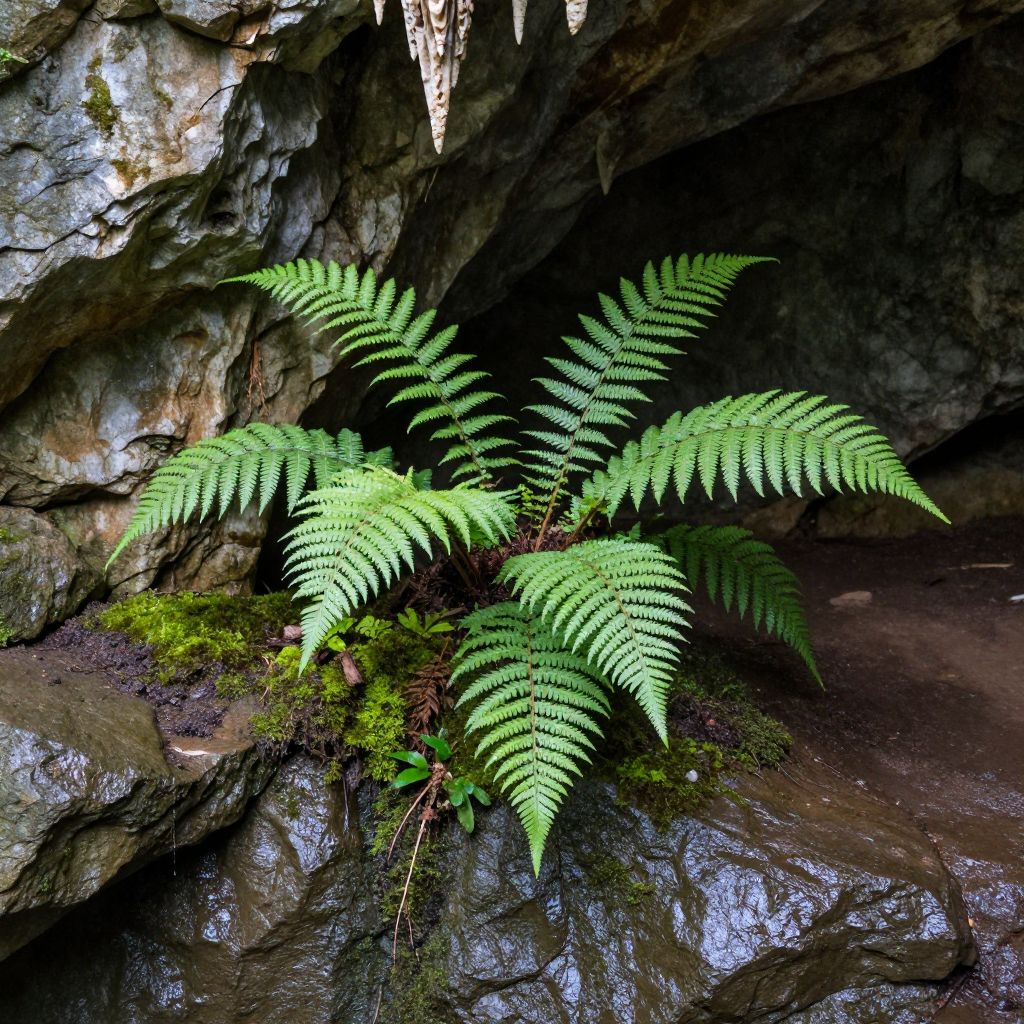
What plants can grow in Eyegoyi caves depends on how much light, moisture, air movement, and drainage those caves provide. In most cave-like spaces, you’ll do best with shade-tolerant, low-light plants, moisture-loving ferns, mosses, and a few compact foliage plants that can handle cool, humid conditions.
The key is matching the plant to the cave environment rather than forcing a sun-loving species to adapt. With the right soil mix, careful watering, and good airflow, you can create a stable planting area that looks natural and stays healthy.
What plants can grow in Eyegoyi caves?
Plants that can grow in Eyegoyi caves are usually shade-loving, humidity-tolerant species such as ferns, mosses, some begonias, peace lilies, and other low-light foliage plants. Success depends on whether the cave has filtered light, steady moisture, and enough drainage to prevent roots from sitting in water.
Understanding cave growing conditions
Before choosing plants, assess the cave itself. A cave environment is usually defined by low light, cooler temperatures, high humidity, and limited air movement, but the exact conditions can vary a lot.
Check these conditions first
- Light: Is there natural daylight near the entrance, or is the space mostly dark?
- Moisture: Does the cave stay damp, or does it dry out between watering?
- Drainage: Can excess water escape, or will pots and soil stay wet?
- Airflow: Is there enough air movement to reduce mold and rot?
- Temperature: Does the cave stay cool year-round, or fluctuate with the season?
If the cave is very dark, live plants will need supplemental light. If it is naturally bright near the entrance, you can grow more options, especially plants that prefer indirect light.
Best plants for Eyegoyi caves
Ferns
Ferns are often the best fit for cave-like conditions because many species prefer shade, humidity, and evenly moist soil. Good choices may include maidenhair fern, bird’s nest fern, button fern, and Boston fern, depending on your climate and whether the plant is indoors or outdoors.
- Use a loose, moisture-retentive potting mix.
- Keep soil lightly moist, not soggy.
- Avoid direct sun, which can scorch fronds.
Mosses
Mosses can thrive where light is low and humidity is high, especially on damp stone, soil, or shaded surfaces. They are useful for decorative cave plantings because they form a soft groundcover and help the space look natural.
Moss needs consistent moisture and a stable surface. It does poorly in dry air or where water runs across it too quickly.
Begonias
Many begonias tolerate filtered light and humid conditions well, making them useful for brighter cave entrances or sheltered ledges. They offer attractive foliage and flowers, but they dislike cold drafts and waterlogged soil.
- Choose compact varieties rather than tall, sprawling types.
- Water when the top layer of soil begins to dry.
- Protect leaves from constant wetting to reduce disease.
Peace lily
Peace lily (Spathiphyllum) can handle lower light better than many flowering houseplants, so it may work in a cave with some indirect light. It prefers evenly moist soil and warm, stable conditions.
It will struggle in deep shade with no supplemental light, so place it where it can receive reflected daylight or grow light support.
Philodendron and pothos
Some trailing foliage plants, such as philodendron and pothos, can adapt to low-light spaces if the cave is not too dark. They are forgiving, easy to train, and useful for hanging baskets or raised shelves near the entrance.
These plants still need some light to maintain healthy growth and leaf color. In very dim caves, they will become leggy and weak.
Selaginella and other moisture-loving groundcovers
Selaginella, sometimes called spikemoss, can suit damp, shaded cave settings where humidity stays high. It works well as a low groundcover in terrariums, enclosed displays, or protected planting pockets.
It is not a true moss, but it behaves similarly in many cave-style plantings. It needs constant moisture without stagnation.
Air plants in brighter cave areas
Air plants (Tillandsia) may work only where there is very bright indirect light and good airflow, such as near a cave entrance. They should not be placed in dark, still, or constantly wet conditions.
Because they absorb moisture through their leaves, they need careful misting or soaking and must dry out afterward. In a damp cave, poor drying can lead to rot.
Plants to avoid in cave environments
Not every plant is suitable for an Eyegoyi cave. Many common garden and house plants fail because they need stronger light, drier soil, or warmer, more open air.
- Sun-loving herbs like rosemary, thyme, and basil
- Most vegetables
- Cacti and succulents that need fast drainage and bright light
- Flowering plants that need direct sun
- Plants that hate humidity or stagnant air
These plants may survive briefly, but they usually become weak, stretched, or diseased in cave conditions.
How to plant in an Eyegoyi cave
1. Start with drainage
Drainage matters more in a cave than in a typical garden bed. If water cannot move away from roots, even shade plants can rot.
- Use containers with drainage holes whenever possible.
- If planting in the ground, improve the site with coarse organic matter and avoid compacted soil.
- Raise planting pockets slightly if the area stays wet after watering or rain.
2. Choose the right soil mix
Most cave plants do best in a loose, airy mix that holds moisture without becoming heavy. A good starting point is a quality potting mix amended with compost and a drainage material such as perlite, pumice, or fine bark, depending on the plant.
For mosses and some fern setups, the mix should stay evenly moist. For begonias and philodendrons, aim for a mix that drains well but does not dry too quickly.
3. Match the plant to the light level
Place the most shade-tolerant plants deepest in the cave and reserve brighter spots near the entrance for plants that need more light. This simple placement strategy prevents weak growth and leaf burn.
- Deep shade: mosses, some ferns, selaginella
- Low indirect light: peace lily, pothos, philodendron
- Brighter entrance areas: begonias, some ferns, air plants
4. Water carefully
Cave plantings often fail because people water by habit instead of by soil condition. Check the soil with your finger before watering.
- Water when the top layer begins to dry for begonias and many foliage plants.
- Keep ferns and mosses consistently moist, but never waterlogged.
- Reduce watering in cooler months or during slow growth.
If the cave stays humid, you may need less frequent watering than you would in a dry indoor room. Always adjust to the actual moisture level, not a fixed schedule.
Light solutions for very dark caves
If the cave has little or no natural light, you will need supplemental lighting for most living plants. Without it, even shade plants will decline over time.
Use grow lights wisely
- Choose a full-spectrum grow light suited to foliage plants.
- Position it close enough to provide useful light, but not so close that leaves heat up.
- Use a timer so the light cycle stays consistent.
For a dark cave, grow lights are often the difference between a healthy planting and a failing one. Mosses and some very low-light plants may last longer than others, but they still benefit from some light exposure.
Maintenance and care
Pruning and grooming
Remove yellowing leaves, dead fronds, and spent flowers promptly. In a humid cave, decaying plant material can encourage mold and pests.
Light pruning also helps keep plants compact and prevents them from crowding each other in tight spaces.
Feeding
Most cave plants need only light feeding during active growth. Overfertilizing in low light can cause weak, soft growth and salt buildup in the soil.
Use a mild, balanced fertilizer only when the plant is actively growing and showing healthy new growth. If the plant is slow or stressed, hold off and improve light or drainage first.
Airflow and mold prevention
Humidity is helpful, but stagnant air is not. Good airflow reduces fungal problems, leaf spotting, and root rot.
- Do not overcrowd plants.
- Leave space between pots or planting pockets.
- Ventilate the cave if moisture lingers too long after watering.
Common problems and how to fix them
Yellow leaves
Yellow leaves often mean too much water, too little light, or both. Check the soil first, then review the plant’s position in the cave.
If the soil is wet, let it dry slightly and improve drainage. If the plant is in deep shade, move it closer to the entrance or add supplemental light.
Mold on soil or leaves
Mold usually appears when the cave is too damp and air movement is poor. Remove affected debris, reduce watering, and increase airflow if possible.
For moss-heavy displays, a little surface film can happen in very humid spaces, but persistent mold is a sign that conditions need adjustment.
Leggy growth
Long, stretched stems usually mean the plant is reaching for light. This is common in pothos, philodendron, and begonias placed too far from the entrance.
Move the plant to a brighter spot and prune back weak growth to encourage a fuller shape.
Root rot
Root rot is one of the biggest risks in cave planting. It happens when roots stay wet too long and have too little oxygen.
- Use porous soil and containers with drainage.
- Do not let pots sit in standing water.
- Water less often in cool, humid conditions.
Propagation and expanding your cave planting
Once you find a plant that thrives in your cave, you can often propagate it to fill more space. Many foliage plants are easy to divide, root from cuttings, or separate into smaller clumps.
- Ferns: divide mature clumps carefully where appropriate.
- Pothos and philodendron: root stem cuttings in water or a moist medium.
- Begonias: propagate from stem or leaf cuttings, depending on type.
- Mosses: spread by small fragments in consistently moist conditions.
Always propagate from healthy parent plants. Weak, stressed plants rarely make good cuttings.
Best practical setup for beginners
If you are new to cave gardening, start small. A few well-chosen plants in containers are easier to manage than a large planted area that is hard to water and monitor.
- Test the light level at different points in the cave.
- Choose one or two shade-tolerant plants and one groundcover or moss.
- Use containers or raised pockets with excellent drainage.
- Check moisture regularly and adjust watering slowly.
- Watch for leaf color, new growth, and signs of rot.
This approach lets you learn how the cave behaves through the seasons before committing to a larger planting scheme.
Conclusion
If you are wondering what plants can grow in Eyegoyi caves, the safest answer is to choose shade-loving, humidity-tolerant plants such as ferns, mosses, begonias, peace lilies, and a few trailing foliage plants, then match them to the actual light and moisture in the space. Start with one small planting, observe how it responds, and adjust drainage, light, and watering as needed.
For more ideas on adapting low-light spaces, you may also find this guide useful: can you grow strawberries indoors.