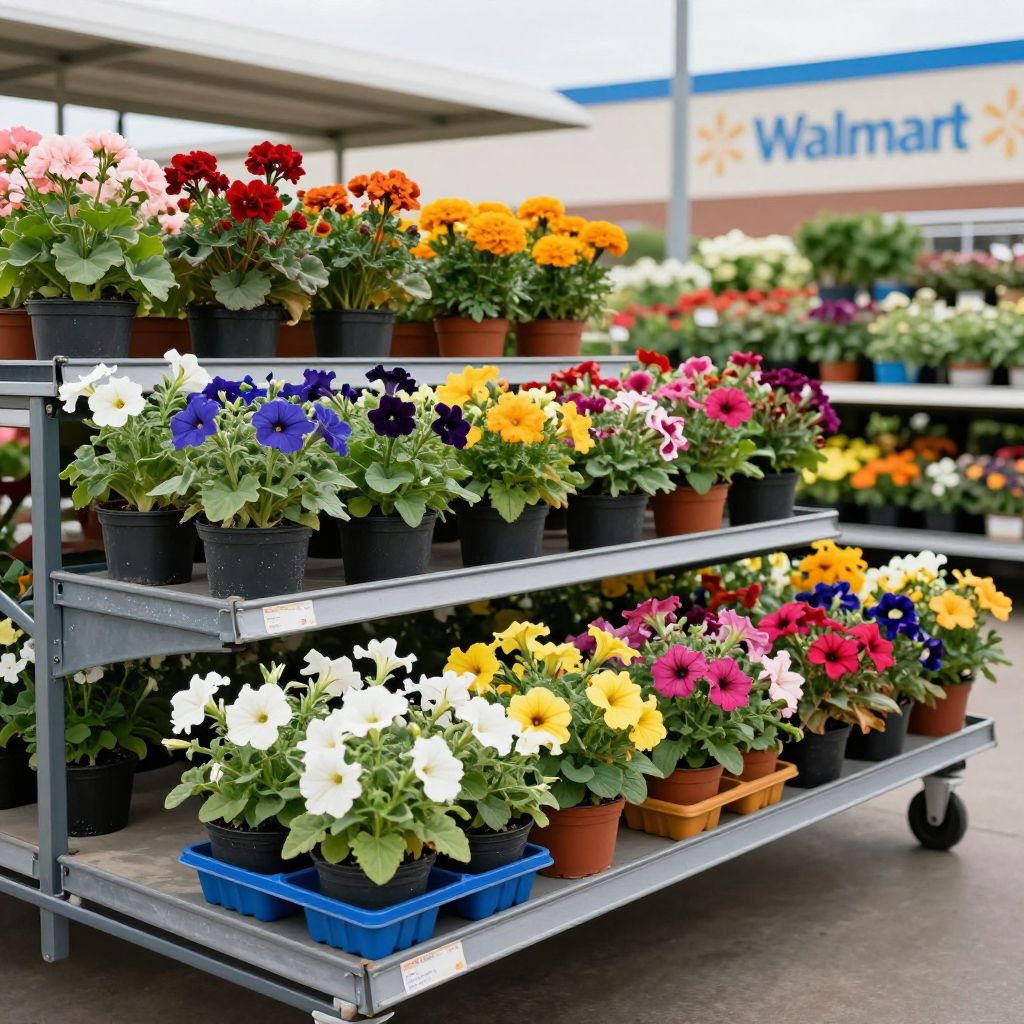
Does Walmart sell flowers? Yes—Walmart typically sells a wide range of flowers, from cut bouquets and potted gift plants to seasonal bedding plants and garden center annuals, depending on the store and time of year. What you can buy varies by location, climate, and season, so availability is often best in spring and around holidays.
If you’re shopping for flowers to give, display indoors, or plant outdoors, it helps to know what to look for and how to care for them once you get home. A healthy plant can decline quickly if it’s stressed in transit, so a little inspection and proper aftercare make a big difference.
Does Walmart Sell Flowers?
Yes, many Walmart stores sell flowers, including fresh-cut bouquets, potted flowering plants, and seasonal outdoor flowers in the garden center. Selection changes by store and season, so the best way to shop is to check your local store’s garden center or online inventory before you go.
What Kind of Flowers You’ll Usually Find
Walmart’s flower selection often falls into a few common categories. Knowing the difference helps you choose the right plant for your space and your level of experience.
Fresh-cut flowers
These are the bouquets and stems sold for immediate indoor display. They are not meant to be planted in the garden.
Potted flowering plants
These may include orchids, mini roses, kalanchoe, peace lilies, mums, and other gift plants. Some are indoor plants, while others are temporary seasonal plants that can be moved outdoors only if conditions suit them.
Outdoor bedding flowers
In spring and early summer, garden centers may carry annuals such as petunias, marigolds, impatiens, geraniums, begonias, and vinca. These are usually sold in flats, packs, or small pots for containers and beds.
Seasonal holiday flowers
At certain times of year, you may also see poinsettias, spring bulbs in bloom, Easter lilies, or fall mums. These are often tied to a specific season and may need special care after purchase.
How to Choose Healthy Flowers at Walmart
Whether you’re buying cut flowers or live plants, inspect them carefully before you bring them home. A healthy-looking plant in the store is much more likely to settle in well after transplanting or repotting.
- Check leaves and petals: Look for firm leaves, even color, and petals that are not browning, wilted, or spotted.
- Inspect the soil: It should be lightly moist, not bone dry or soggy.
- Look underneath the pot: Roots should not be circling heavily or growing out of drainage holes in a crowded mass.
- Watch for pests: Avoid plants with sticky residue, webbing, tiny insects, or distorted new growth.
- Choose buds wisely: For potted flowering plants, some open blooms are good, but a plant with many unopened buds often lasts longer at home.
Bringing Flowers Home Without Stress
Flowers can suffer from heat, cold, wind, and rough handling on the way home. Even a short trip can matter, especially for tender blooms and warm-weather annuals.
- Keep flowers out of direct sun in the car.
- Protect them from freezing temperatures in winter.
- Set pots upright so soil does not spill and roots stay stable.
- Get them indoors or into shade as soon as possible.
If you buy outdoor plants on a hot day, water them soon after arriving home. If the plant is wilted from heat stress, let it recover in bright shade rather than planting it immediately into full sun.
How to Care for Store-Bought Flowers Indoors
Many Walmart flowers are sold as decorative indoor plants or cut arrangements. Their care depends on whether they are living plants or cut stems.
For potted flowering plants
- Place them in bright light unless the plant label says otherwise.
- Use a pot with drainage holes if you repot it.
- Water when the top inch of soil feels dry for many common houseplants, but adjust for the plant type.
- Remove spent blooms to keep the plant tidy and encourage continued flowering where appropriate.
Do not let a decorative pot sit in standing water. Soggy roots are one of the fastest ways to lose a flowering plant.
For cut flowers
- Trim stems at an angle before placing them in a clean vase.
- Use fresh, room-temperature water.
- Remove any leaves that would sit below the waterline.
- Change the water regularly and keep the arrangement away from direct sun and heat vents.
How to Plant Walmart Flowers Outdoors
If you buy bedding flowers or patio plants, planting them correctly matters more than the store they came from. Most annual flowers do best when given good soil, consistent moisture, and enough sun for the species.
Before planting
- Choose a site that matches the plant’s light needs.
- Loosen the soil and mix in compost if the soil is poor or compacted.
- Make sure the area drains well after rain.
- Harden off plants that were grown in protected conditions by gradually exposing them to outdoor light and wind for several days.
Planting steps
- Water the plant in its pot before transplanting.
- Dig a hole about as deep as the root ball and a little wider.
- Remove the plant gently and loosen tightly circling roots if needed.
- Set the plant at the same soil level it was growing in the pot.
- Backfill, firm lightly, and water thoroughly.
- Mulch lightly around the plant, keeping mulch off the stem.
For containers, use a quality potting mix rather than garden soil. Container flowers need more frequent watering because pots dry out faster than in-ground beds.
Sunlight, Water, and Soil Basics
Most flowering plants sold at big-box stores need the same fundamentals as any garden plant: the right light, decent drainage, and steady moisture without waterlogging. The exact needs depend on the species.
Sunlight
Some flowers love full sun, while others prefer part shade. Read the plant tag if it’s available. If the tag is missing, use the plant’s common name to look up its light preference before planting it in a hot, exposed spot.
Water
Newly planted flowers need more attention than established ones. Water deeply enough to moisten the root zone, then let the soil surface begin to dry before watering again, unless the plant is one that prefers consistently moist soil.
Soil and drainage
Flowers generally perform best in loose, fertile soil with good drainage. If water puddles after rain, improve the bed with compost, raised planting, or a better-draining container mix.
Common Problems and Easy Fixes
Store-bought flowers sometimes struggle after purchase, but many problems are manageable if you catch them early.
Wilting after purchase
Wilting can happen from heat, underwatering, root stress, or transplant shock. Move the plant to shade, water it appropriately, and avoid overcorrecting with too much fertilizer.
Yellowing leaves
Yellow leaves may point to overwatering, poor drainage, low light, or a plant that is simply finishing its bloom cycle. Check the soil first before changing anything else.
Bud drop
Flowers may drop buds when they experience sudden temperature changes, drafts, or inconsistent watering. Keep conditions as stable as possible and avoid moving the plant repeatedly.
Pests
Aphids, whiteflies, spider mites, and fungus gnats can show up on indoor or outdoor flowers. Inspect new plants before placing them near others, and isolate any plant that shows signs of infestation.
- Rinse small pest populations off with a gentle spray of water.
- Remove badly damaged leaves or flowers.
- Improve airflow around crowded plants.
- Use pest control methods appropriate for the plant and setting if the problem persists.
Can You Replant or Save Flowers After Blooming?
Sometimes yes, but not always. Annual flowers are meant to complete their life cycle in one season, while many potted gift plants can be kept going with the right care. The key is knowing what you bought.
Annual bedding flowers
These usually bloom for a season and then decline. You can often extend their performance with deadheading, feeding lightly if needed, and consistent watering, but they are not permanent plants.
Perennials and bulbs
If you buy a perennial or bulb plant, it may return in future seasons if it’s hardy in your climate and planted in the right location. Check the plant label and match it to your local conditions.
Gift plants
Some flowering houseplants can be kept for months or longer indoors if they receive adequate light, proper watering, and occasional repotting. Others are short-lived display plants and may not rebloom easily.
Smart Shopping Tips for Gardeners
If you want the best value from Walmart flowers, shop with a gardener’s eye rather than just a decorative one. A healthy plant often matters more than a bargain price.
- Buy on mild weather days when possible.
- Choose plants with strong stems and balanced growth.
- Avoid plants that are root-bound, dried out, or already declining.
- Ask whether the plant is meant for indoor or outdoor use.
- Plan where it will go before you buy it so it doesn’t sit too long in poor conditions.
Conclusion: What to Do Next
So, does Walmart sell flowers? Yes, and the selection can be useful for gardeners, gift-givers, and anyone filling containers or beds on a budget. The best results come from choosing healthy plants, matching them to your light and climate, and giving them careful aftercare once you get them home.
If you’re planning your next garden purchase, it’s worth learning more about container flower care and how to choose healthy annuals so your new blooms settle in well and keep flowering longer.