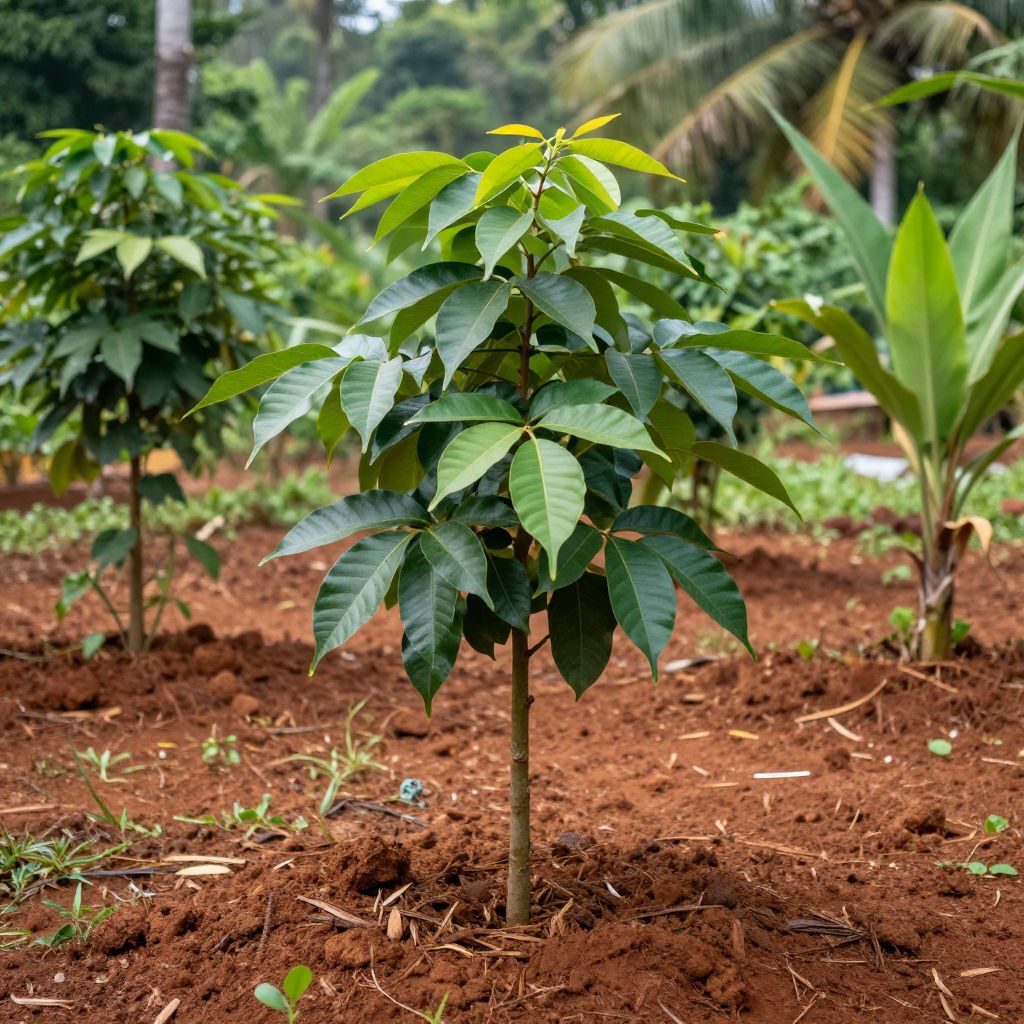
Where do cinnamon trees grow? If you want to grow true cinnamon, the short answer is: in warm, frost-free, humid climates with rich, well-drained soil. Cinnamon comes from Cinnamomum verum (also sold as Cinnamomum zeylanicum), a tropical evergreen tree that performs best outdoors only where winters are mild year-round.
For most home gardeners, that means outdoor planting in the tropics or subtropics, or container growing in cooler regions. With the right light, moisture, and soil, you can keep a cinnamon tree healthy and productive, even if you need to move it indoors during cold weather.
Where do cinnamon trees grow?
Cinnamon trees grow naturally in warm, humid tropical regions and are commercially grown in places such as Sri Lanka, southern India, parts of Southeast Asia, and other frost-free coastal or lowland areas. They need steady warmth, good rainfall or irrigation, and protection from cold winds and freezing temperatures.
Best climate for cinnamon trees
Cinnamon is a tropical evergreen tree, so climate is the first thing to get right. If your area gets frost, prolonged cool weather, or dry winter air, you will usually need to grow it in a container, greenhouse, or conservatory rather than in the ground.
Temperature and humidity
- Warm temperatures: Cinnamon grows best in consistently warm conditions.
- No frost: Even light frost can damage or kill young plants.
- Moderate to high humidity: Dry air can slow growth and stress container plants.
If you live in a climate with cool nights, choose the warmest sheltered spot you have. A position near a south- or west-facing wall can help outdoors, while indoor plants do best in a bright room away from heating vents.
Outdoor vs. container growing
In frost-free regions, cinnamon can be planted outdoors in the ground. In cooler climates, a large pot is usually the safest option because you can move the plant indoors when temperatures drop.
- Ground planting: Best for tropical and subtropical gardens with reliable warmth.
- Container growing: Best for patios, greenhouses, sunrooms, and temperate climates.
Soil and drainage requirements
Cinnamon trees like fertile, moisture-retentive soil that still drains well. They do not tolerate waterlogged ground, so drainage matters just as much as fertility.
Ideal soil conditions
- Rich, organic soil
- Loose texture that roots can penetrate easily
- Good drainage, especially in heavy clay soils
- Slightly acidic to neutral pH is generally suitable
If your soil is dense or sticky after rain, improve it before planting. Mix in compost and other organic matter to help the soil hold moisture without turning soggy.
How to prepare a planting site
- Choose a sheltered location with filtered sun or light shade.
- Dig a wide planting area, not just a narrow hole.
- Work in compost to improve structure and fertility.
- Make sure excess water drains away after rain.
For containers, use a high-quality potting mix rather than garden soil. A mix that drains well but still holds some moisture is ideal.
How much sun do cinnamon trees need?
Cinnamon trees prefer bright light with some protection from harsh afternoon sun, especially when young. In tropical climates they often grow under light canopy cover, which tells you a lot about their natural preference.
Best light conditions
- Young plants: Bright filtered light or partial shade
- Mature plants: More sun is tolerated if moisture is consistent
- Indoor plants: The brightest available window, with some protection from scorching glass
Too much shade can reduce growth and make the plant leggy. Too much direct sun in hot, dry conditions can scorch leaves, especially if the plant is newly transplanted or under-watered.
Planting cinnamon trees successfully
Whether you are planting outdoors or in a pot, the goal is the same: create warm, airy root conditions and avoid stress during establishment. Cinnamon trees dislike being planted too deep or left sitting in cold, wet soil.
Planting in the ground
- Select a warm, sheltered site with good drainage.
- Prepare the soil with compost before planting.
- Set the tree at the same depth it was growing in the nursery container.
- Water thoroughly after planting.
- Mulch lightly, keeping mulch away from the trunk.
Planting in a container
- Choose a pot with drainage holes.
- Use a loose, rich potting mix.
- Plant at the same depth as the nursery pot.
- Water well and let excess water drain freely.
- Place the pot in bright, sheltered light.
Do not let the pot sit in a saucer of water. Cinnamon roots need moisture, but they also need oxygen.
Watering and feeding
Cinnamon trees like steady moisture, especially while young, but they should never stay saturated. The best approach is to keep the soil evenly moist and adjust based on weather, pot size, and plant size.
Watering tips
- Water when the top layer of soil begins to dry slightly.
- Water container plants more often in hot, windy weather.
- Reduce watering in cooler months when growth slows.
In dry climates, mulch around outdoor plants to help conserve moisture. For potted plants, check the soil with your finger rather than watering on a fixed schedule.
Feeding the plant
Cinnamon benefits from regular but moderate feeding during active growth. Rich soil and compost often provide much of what it needs outdoors, while container plants usually need a little more help.
- Use compost as a top dressing for in-ground plants.
- Feed container plants with a balanced fertilizer according to label directions.
- Avoid overfeeding, which can cause soft, weak growth.
Pruning and shaping cinnamon trees
Pruning helps keep cinnamon trees manageable and encourages bushier growth. This is especially useful if you are growing the plant in a pot or want to harvest stems later.
When to prune
Light pruning is usually best during warm, active growth. Avoid heavy pruning when the plant is stressed, newly transplanted, or recovering from cold damage.
How to prune
- Remove dead, damaged, or crossing branches first.
- Trim back leggy growth to encourage branching.
- Use clean, sharp pruners to avoid tearing stems.
If you want a fuller plant, pinch or lightly cut back new growth rather than removing large amounts at once. This reduces shock and keeps the tree vigorous.
Common pests and diseases
Cinnamon trees are not usually difficult, but they can suffer if conditions are too wet, too dry, or too cramped. Good airflow, clean tools, and proper watering prevent many problems.
Pests to watch for
- Scale insects
- Mealybugs
- Aphids on tender new growth
- Spider mites in dry indoor air
Check the undersides of leaves and stem joints regularly. If you spot pests early, wash them off with water or use an appropriate horticultural treatment for edible plants, following label directions carefully.
Diseases and stress problems
- Root rot: Usually caused by poor drainage or overwatering
- Leaf drop: Often triggered by cold, drought, or sudden environmental change
- Leaf scorch: Can happen in intense sun or dry indoor air
The most common fix is often simple: improve drainage, adjust watering, and move the plant to a more suitable location.
Propagation and starting new cinnamon plants
If you want more plants, cinnamon can be propagated from seed or cuttings, though success depends on warmth and patience. Seedlings are often the easiest route for home gardeners who can source fresh seed.
Seed propagation
- Use fresh seed whenever possible.
- Keep the medium warm and evenly moist.
- Provide bright, indirect light during germination.
Seeds can lose viability if they dry out too long, so fresh material is important. Warmth and steady moisture matter more than anything else.
Cuttings
Semi-ripe cuttings may root under warm, humid conditions, but they can be slower and less reliable than seed. If you try cuttings, use a clean medium, high humidity, and gentle light.
Harvesting cinnamon bark responsibly
True cinnamon is made from the inner bark of young stems. In commercial production, stems are cut and processed carefully after the plant has grown enough to support harvest. Home gardeners should be cautious and avoid stripping bark from very young or weak plants.
What to know before harvesting
- Allow the plant to establish well before considering harvest.
- Only harvest from healthy, vigorous stems.
- Do not remove too much bark from a small plant.
If your main goal is ornamental or general tropical foliage, you can simply prune for shape and enjoy the glossy evergreen leaves without harvesting bark at all.
Best locations for cinnamon trees in the landscape
The best outdoor locations are warm, sheltered, and protected from wind. Think of spots that mimic a tropical understory rather than exposed, open ground.
Good placement choices
- Near a warm wall or courtyard
- Under light canopy or filtered shade
- In a greenhouse or conservatory
- In a large patio container that can be moved
Avoid low spots where cold air settles, and avoid places that stay wet after rain. Cinnamon trees do best where you can give them consistent care and protection.
Common mistakes to avoid
- Planting in frost-prone areas without protection
- Using heavy, poorly drained soil
- Letting the roots dry out completely
- Overwatering in cool weather
- Exposing young plants to harsh afternoon sun
- Moving the plant abruptly between very different conditions
Most cinnamon tree failures come from climate mismatch, not complicated care errors. If you match the plant to the right location, the rest becomes much easier.
Conclusion
So, where do cinnamon trees grow best? In warm, frost-free, humid climates with rich soil, good drainage, and consistent moisture. If your garden is cooler, grow cinnamon in a container and protect it from cold weather. Start by choosing a sheltered, bright spot and improving the soil before planting.
If you want to keep learning about tropical edible plants and container care, look for more practical guides on growing tropical fruit trees in pots and improving garden drainage for moisture-loving plants.