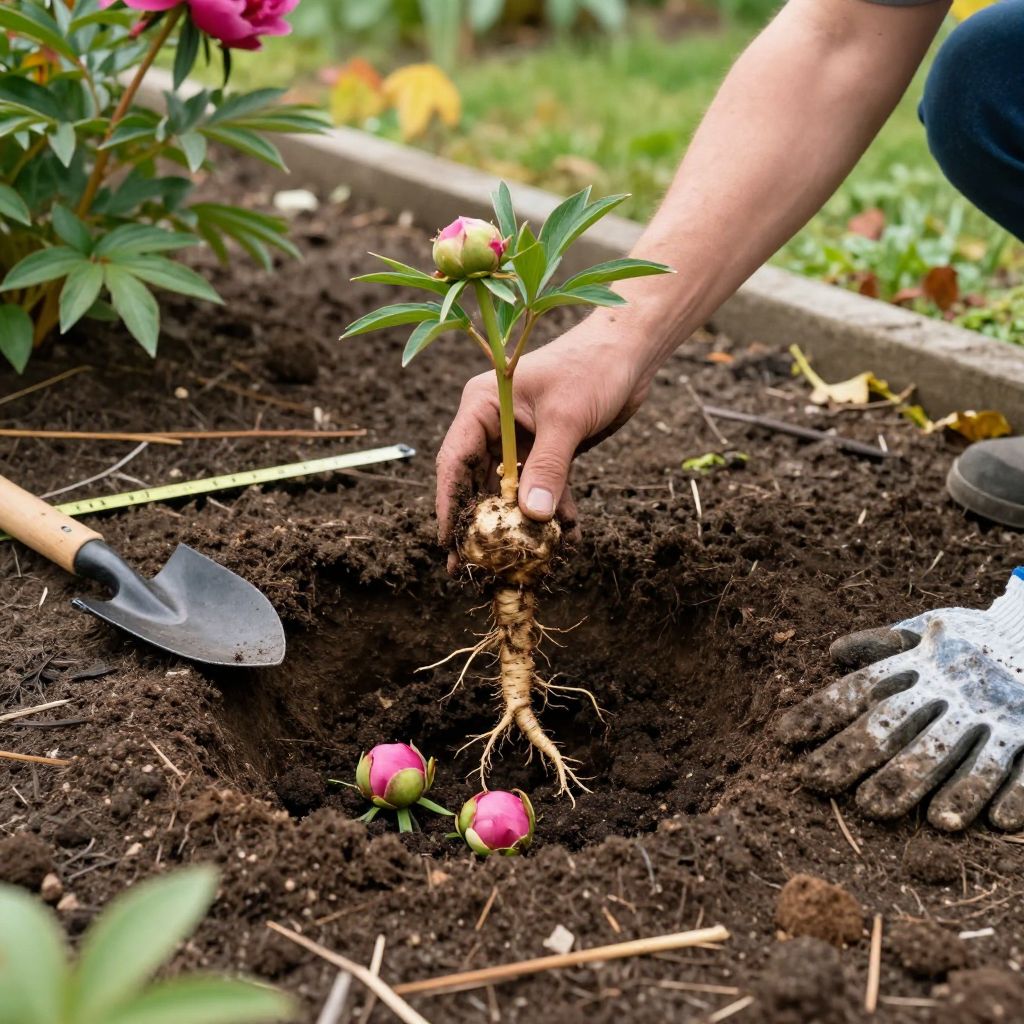
When do you plant peonies? The best time is usually in early fall, when the soil is still workable and the plant has time to settle in before winter. In many climates, that means planting bare-root peonies from late September through October, though local conditions matter.
Spring planting is possible, but fall generally gives peonies the strongest start. The key is to plant them at the right depth, in full sun, and in well-drained soil so they can establish without rotting or struggling through summer heat.
When do you plant peonies?
Plant peonies in early fall in most climates, ideally about 6 to 8 weeks before the ground freezes. This gives the roots time to establish in cool soil. Spring planting can work too, especially for container-grown plants, but fall planting usually leads to better root development and fewer setbacks.
Why fall is the best time to plant peonies
Peonies are long-lived perennials that dislike being disturbed once established. Fall planting takes advantage of cooler temperatures, moister soil, and reduced top growth, so the plant can focus on building roots instead of leaves and flowers.
What makes fall planting better
- Cooler weather reduces transplant stress.
- Moist soil helps roots settle in more easily.
- Less top growth means the plant can direct energy underground.
- Earlier establishment often leads to stronger growth the following spring.
If you plant too late in fall, the roots may not have enough time to anchor before the ground freezes. In very cold areas, aim earlier in fall than you would in milder regions.
Can you plant peonies in spring?
Yes, but spring is usually the second-best option. Spring planting is most successful with container-grown peonies because they already have an intact root system. Bare-root peonies can still be planted in spring, but they may grow slowly at first and need extra care through summer.
When spring planting makes sense
- You missed the fall planting window.
- You bought a potted peony from a nursery.
- Your climate has an unusually long, cool spring.
- You can keep the plant evenly watered while it establishes.
In hot climates, spring planting can be challenging because peonies prefer cool conditions for root growth. If you plant in spring where summers arrive quickly, give the plant a protected site and consistent moisture.
How to choose the right planting time for your climate
The best planting window depends on your local weather rather than the calendar alone. Use your first hard frost date, soil temperature, and seasonal rainfall as guides.
General timing by region
- Cold climates: plant earlier in fall, before the soil becomes cold and hard.
- Temperate climates: mid- to late fall is often ideal.
- Mild winter climates: fall is still preferred, but peonies may need a cooler period to settle in.
- Hot climates: plant in fall if possible so roots establish during cooler months.
If you are unsure, choose the season when daytime temperatures are cooling, nights are becoming crisp, and the plant will not be pushed into rapid top growth.
Where peonies grow best
Peonies need a site with full sun, good air circulation, and soil that drains well. They can tolerate a little light afternoon shade in hot regions, but too much shade reduces flowering.
Ideal site conditions
- Sunlight: at least 6 hours of direct sun daily.
- Soil: fertile, loose, and well drained.
- Airflow: enough space to reduce fungal disease.
- Space: room for mature clumps, which can become large over time.
Avoid low spots where water collects after rain or snowmelt. Peonies hate soggy roots, and poor drainage is one of the most common reasons they fail.
How to plant peonies correctly
Whether you are planting bare-root peonies or container-grown plants, the most important detail is depth. Planting too deep is a frequent mistake and can prevent flowering for years.
Step-by-step planting guide
- Choose a sunny, well-drained site and clear away weeds.
- Loosen the soil and mix in compost if the ground is poor or heavy.
- Dig a hole wide enough to spread the roots comfortably.
- Set bare roots so the buds, often called “eyes,” sit just below the soil surface.
- Backfill gently and firm the soil without compacting it hard.
- Water thoroughly to settle the soil around the roots.
- Mulch lightly after planting, keeping mulch away from the crown.
Do not plant peonies too deep. The eyes should usually be only about 1 to 2 inches below the soil surface in many gardens. In colder regions, some gardeners go slightly deeper, but planting too far down is far more likely to cause problems than planting a little shallow.
Planting container-grown peonies
For potted peonies, plant at the same depth they were growing in the container. Make sure the crown is not buried under extra soil. Water well after planting and keep the soil evenly moist while the roots settle.
Soil preparation and drainage
Peonies perform best in rich soil that drains well but still holds some moisture. If your soil is heavy clay, improve it before planting rather than relying on a deep hole alone.
How to improve difficult soil
- Work in compost to improve structure and fertility.
- Raise the planting area slightly if drainage is poor.
- Avoid planting in compacted soil.
- Do not add too much fresh manure, which can be overly rich and wet.
Good drainage matters more than rich soil. A peony in average garden soil with proper drainage will usually do better than one planted in very fertile but soggy ground.
Watering after planting
Newly planted peonies need steady moisture while they establish, but they should never sit in waterlogged soil. Water deeply after planting, then check the soil regularly during the first growing season.
Watering tips
- Water when the top few inches of soil begin to dry.
- Water slowly so moisture reaches the root zone.
- Reduce watering once the plant is established, unless your climate is very dry.
- Mulch lightly to help conserve moisture and moderate soil temperature.
Overwatering is a common mistake, especially in cool weather. Peonies need moisture, but they also need oxygen around the roots.
What to expect after planting
Peonies are not instant performers. A newly planted peony may spend its first season building roots instead of producing many flowers. That is normal, especially after fall planting or transplanting.
First-year expectations
- Some plants may bloom lightly the first spring.
- Others may skip flowering while they establish.
- Healthy foliage and steady root growth are good signs.
- Full flowering often improves in the second or third year.
Be patient. Once settled in, peonies can live and bloom for many years with minimal disturbance.
Common mistakes to avoid
Most peony problems start at planting time. A few simple errors can delay flowering or weaken the plant for years.
Frequent planting mistakes
- Planting too deep, which can reduce or stop flowering.
- Choosing a shady location.
- Planting in poorly drained soil.
- Moving the plant too often.
- Overwatering after establishment.
- Mulching too heavily over the crown.
If a peony grows leaves but never flowers, depth and light are the first things to check. If the plant sits in wet soil, drainage is likely the issue.
Pruning, support, and seasonal care
Peonies need only light routine care, but a little maintenance helps them stay healthy and upright.
Seasonal care basics
- Remove spent flowers if you want a tidier look.
- Cut back dead foliage in fall after frost.
- Use plant supports if heavy blooms flop over.
- Keep weeds down so roots are not competing for moisture and nutrients.
In humid climates, good spacing and airflow help reduce fungal diseases. Avoid crowding peonies against shrubs or fences where air movement is limited.
Pests and diseases to watch for
Peonies are generally sturdy, but they can develop problems if conditions are too wet, shady, or crowded.
Common issues
- Botrytis blight: often appears in cool, damp weather and can affect buds and stems.
- Powdery mildew: more common when airflow is poor.
- Ants on buds: usually harmless and not a sign of damage.
- Root rot: linked to soggy soil and poor drainage.
If you see blackened stems, mushy roots, or buds that fail to open, inspect the planting site first. Improving drainage and removing affected debris can help prevent repeat problems.
Can you divide or move peonies?
Peonies dislike frequent division, but mature clumps can be moved or divided if necessary. The best time is usually in fall, when the plant is dormant or slowing down. Divisions should have several healthy eyes and strong roots.
Division tips
- Divide only when needed, not as routine maintenance.
- Use a sharp spade or knife for clean cuts.
- Replant divisions promptly.
- Expect a pause in flowering while the plant re-establishes.
If you do divide peonies, remember that smaller divisions may take longer to bloom again than larger, stronger ones.
Final planting advice for healthy peonies
If you are wondering when do you plant peonies, the short answer is: plant them in fall whenever possible, before the ground freezes and while the soil is still workable. Choose a sunny, well-drained site, keep the roots shallow, and give the plant time to establish before expecting peak bloom.
For more practical flower-garden guidance, you may also want to read about choosing and caring for perennial flowers and planning a fall planting schedule.