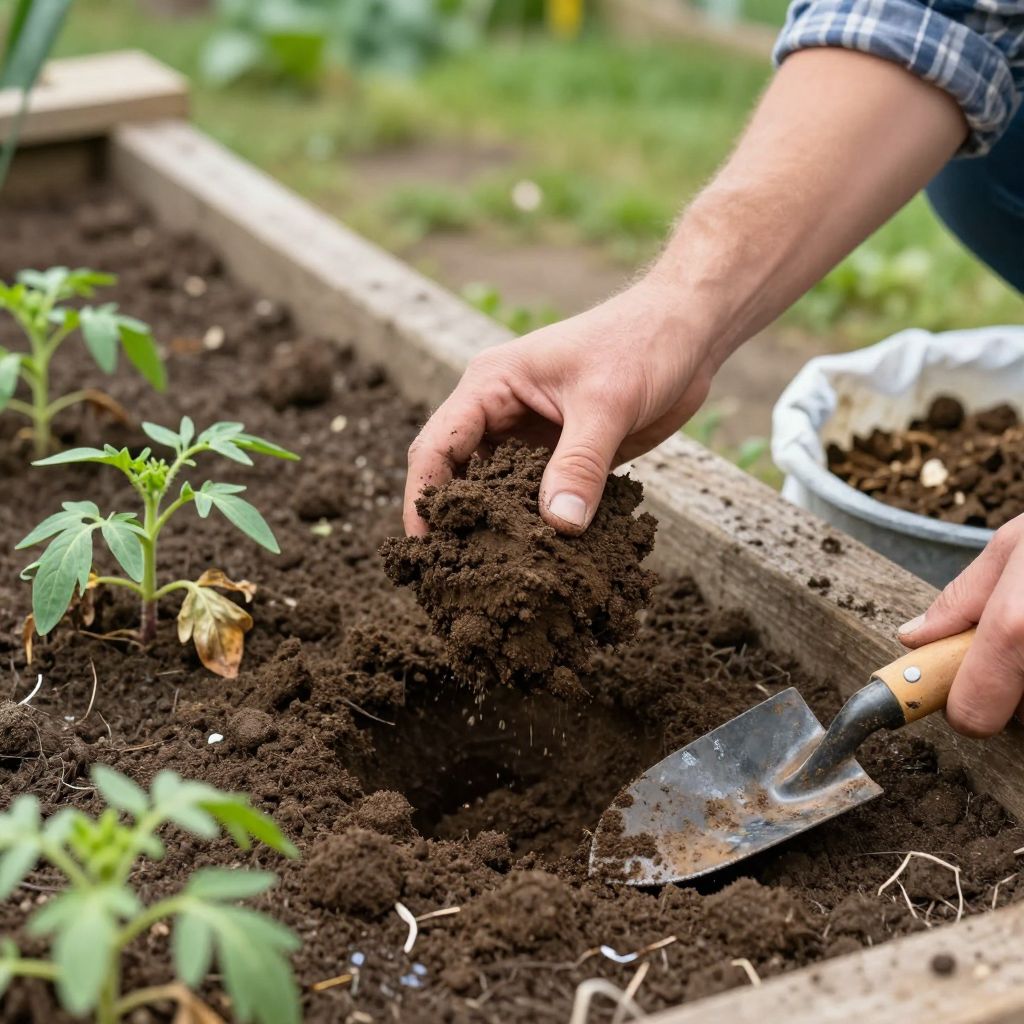
When you see “heavy soil” on a washing machine, it usually means a very dirty laundry setting—not a gardening problem. But if you landed here looking for the gardening meaning of heavy soil, you are probably dealing with dense, clay-rich ground that holds water and compacts easily.
That kind of soil can be productive, but it needs the right approach. In the garden, “heavy soil” affects drainage, root growth, planting success, and how you water, mulch, and improve your beds.
What does heavy soil mean on a washing machine?
In gardening, heavy soil means a dense soil with a high clay content, fine particles, and poor drainage compared with sandy or loamy soil. It feels sticky when wet, hard when dry, and can compact easily. Plants can grow well in it if you improve structure, avoid working it wet, and choose suitable species.
How to tell if you have heavy soil in the garden
Heavy soil is easy to recognize once you know the signs. It often looks rich and dark, but it behaves differently from loose, crumbly garden soil.
Common signs
- Water pools after rain or irrigation.
- The soil feels sticky and forms a tight ball when wet.
- It dries into hard clods or cracks in hot weather.
- Tools meet resistance when digging.
- Plants grow slowly, yellow, or struggle after wet periods.
Simple test you can do
- Scoop a handful of moist soil.
- Try to roll it into a ribbon between your fingers.
- If it forms a long, flexible ribbon, it likely contains a lot of clay.
- If it crumbles quickly, it is probably lighter and sandier.
Important: heavy soil is not “bad” soil. It often contains plenty of nutrients and holds moisture well. The challenge is improving air space and drainage so roots can breathe.
Why heavy soil matters for plant growth
Roots need oxygen as well as water. In dense soil, water can linger too long and squeeze out air pockets, which stresses roots and encourages rot.
Heavy soil can also be slow to warm in spring, which delays growth for many vegetables and tender ornamentals. In summer, the same soil may bake hard on top while staying wet underneath.
Plants that often struggle in heavy soil
- Root crops such as carrots and parsnips, which need loose, straight-growing soil.
- Plants that dislike wet feet, including many Mediterranean herbs.
- Young seedlings, which are vulnerable to crusting and poor aeration.
Plants that often cope better
- Many shrubs and perennials once established.
- Moisture-tolerant plants suited to your climate.
- Species with fibrous, adaptable root systems.
Always match the plant to the site. A clay-heavy border can be excellent for the right plants if drainage is reasonable and the soil is managed well.
How to improve heavy soil without making it worse
The best long-term fix is to build soil structure gradually. The goal is not to “lighten” clay by force, but to create stable crumbs and pore spaces that let water move and roots spread.
Add organic matter regularly
Work in compost, well-rotted leaf mold, or matured manure on the surface and, where appropriate, lightly into the top layer. Organic matter helps soil particles bind into a better structure.
- Spread a 2–5 cm layer over beds as a mulch.
- Top up annually, especially in vegetable gardens.
- Use fully decomposed material so you do not tie up nitrogen or introduce weeds.
Avoid digging heavy soil repeatedly when it is wet. That smears the particles together and makes compaction worse.
Use raised beds where drainage is poor
If water sits for hours or days after rain, raised beds can make a big difference. Even a modest rise improves root aeration and gives you more control over the growing mix.
- Build beds high enough to lift roots above the wettest layer.
- Fill with a balanced mix suited to the crop, not pure compost.
- Keep paths separate so you do not compact the bed by walking on it.
Improve structure with careful cultivation
Use a fork or broadfork to loosen compacted soil without turning it over excessively. This can open channels for air and water while preserving soil layers.
Only do this when the soil is just moist enough to crumble. If it sticks to your tool, wait.
Planting in heavy soil: practical tips
Planting in dense soil is easier when you prepare the hole and surrounding area properly. The main aim is to help roots move outward instead of sitting in a waterlogged pocket.
Before planting
- Check drainage after rain.
- Remove weeds thoroughly, especially perennial roots.
- Loosen the soil wider than the planting hole, not just deeper.
- Mix in compost with the surrounding soil if the bed is being improved.
When planting shrubs and perennials
- Dig a hole no deeper than the root ball.
- Make it wider than the container or root spread.
- Set the plant at the same level it grew before.
- Backfill with the native soil improved with compost if needed.
- Water thoroughly to settle the soil.
- Mulch around the plant, keeping mulch away from the stem or trunk.
Do not create a “bathtub” by filling the hole with a freer-draining mix that contrasts sharply with the surrounding clay. Water can collect in that pocket and drown roots.
Watering heavy soil correctly
Heavy soil holds moisture longer, so overwatering is a common mistake. The surface may look dry while deeper layers are still wet.
How to water
- Water less often, but more deeply, once the root zone begins to dry.
- Check moisture below the surface with a trowel or your finger.
- Adjust for rainfall, season, plant size, and sun exposure.
Newly planted specimens need more attentive watering than established plants, but even then, avoid keeping the soil constantly saturated. In cool or rainy weather, you may need to pause irrigation altogether.
Signs you may be overwatering
- Leaves yellow despite moist soil.
- New growth looks weak or limp.
- The soil smells sour or stagnant.
- Moss or algae appear on the surface in persistently wet spots.
Best planting choices for heavy soil
The right plant selection can save you a lot of effort. Look for species that tolerate moisture, seasonal wetness, or clay-based soils in your climate.
Good choices to consider
- Many native shrubs and perennials adapted to local conditions.
- Plants for rain gardens or damp borders.
- Established fruit trees only where drainage is adequate and roots will not sit in water.
Plants to be cautious with
- Root vegetables that need straight, loose soil.
- Alpine plants and drought-loving herbs.
- Any plant known to dislike winter wetness in your region.
If you are unsure, check the plant’s preferred soil type and drainage needs before buying. Matching the plant to the site is easier than trying to force the site to suit the plant.
Common problems in heavy soil and how to fix them
Poor drainage
If water lingers after rain, improve the bed with organic matter, create raised areas, or install drainage solutions where appropriate. In a lawn or large landscape area, surface grading may also help.
Compaction
Heavy foot traffic compresses clay soil quickly. Keep people off wet beds, use stepping stones or paths, and mulch to protect the surface.
Crusting on the surface
A hard crust can block seedlings from emerging. Fine mulch, gentle raking, and careful watering can reduce this. For sowing, use a finer seed-starting layer in the top few centimeters if needed.
Slow spring warming
In cooler climates, heavy soil warms slowly. Black plastic, cloches, low tunnels, or raised beds can help early crops get started sooner.
Seasonal care for heavy soil
Heavy soil changes a lot through the year, so your care should change too.
In wet seasons
- Avoid walking on beds when saturated.
- Delay digging until the soil is workable.
- Watch for root rot and fungal problems in vulnerable plants.
In dry seasons
- Mulch to reduce surface cracking and moisture loss.
- Water deeply rather than frequently.
- Check container-grown plants more often, since pots dry differently from in-ground clay.
In autumn
Autumn is a good time to add compost and mulch. Winter rains and freeze-thaw cycles can help improve structure naturally, especially when the soil is protected rather than left bare.
Tools that make heavy soil easier to manage
- Border fork or digging fork for loosening compacted beds.
- Broadfork for aerating larger areas with less disturbance.
- Wheelbarrow for moving compost and mulch.
- Mulch fork or rake for spreading organic matter evenly.
- Trowel for checking moisture and planting smaller specimens.
Choose tools that let you work efficiently without repeatedly treading on the bed. Protecting the soil structure is just as important as improving it.
Conclusion: what to do next
If your garden has heavy soil, start by checking drainage, avoiding work when it is wet, and adding organic matter regularly. Then choose plants that can handle clay or improve the bed with raised planting areas where needed. A few careful changes can turn dense soil into a reliable growing base.
For more practical help with soil improvement and plant selection, you may also find related gardening reading useful on composting and raised bed planning.