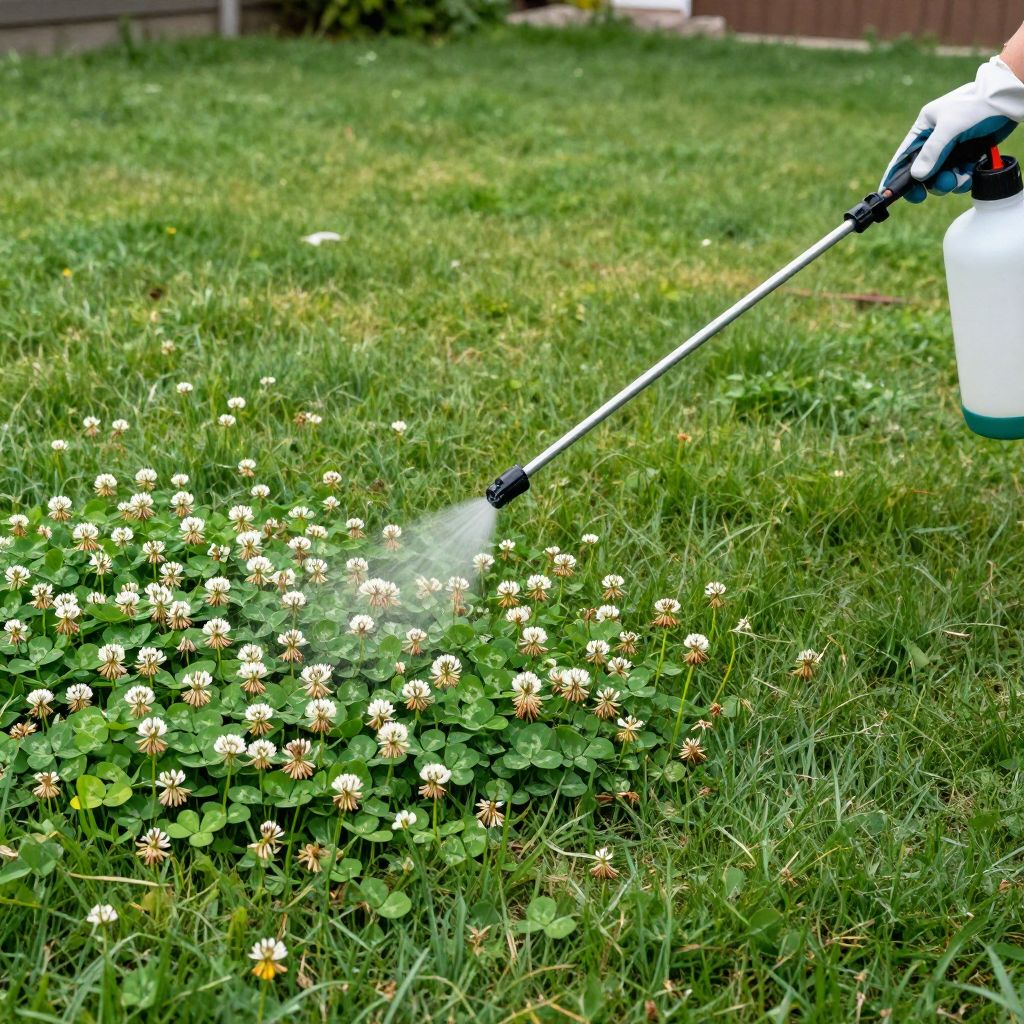
What kills clover in a lawn, bed, or path? The short answer is that clover dies when you remove the conditions it likes: low nitrogen, compacted soil, thin turf, and inconsistent competition. You can also kill it directly with repeated digging, smothering, or a selective herbicide used correctly for your site.
The best method depends on where the clover is growing and whether you want to keep the surrounding grass or plants. If you choose the right approach and follow up, you can get rid of clover without creating a bigger weed problem later.
What kills clover?
Clover is easiest to kill by combining physical removal, improved growing conditions, and repeated follow-up. In lawns, the most effective long-term fix is often to strengthen grass so it outcompetes clover. In beds and cracks, smothering, digging, or careful spot treatment usually works best.
Why clover shows up in the first place
Clover often appears where grass is struggling. It thrives in thin turf, compacted soil, poor drainage, and areas with low nitrogen. White clover (Trifolium repens) is especially common in lawns because it spreads low to the ground and tolerates foot traffic better than many grasses.
If you only remove the visible clover and ignore the conditions that encouraged it, it usually returns. That is why the most reliable control plan starts with understanding the site.
Common conditions that favor clover
- Low soil nitrogen in turf or garden soil
- Compacted soil that limits root growth
- Thin grass cover or bare patches
- Full sun with dry, stressed turf
- Poor drainage or uneven watering
How to kill clover naturally
Natural control works best when clover is small or scattered. It is also the safest choice around ornamentals, vegetable beds, and children or pets, because you avoid herbicide drift and accidental damage to nearby plants.
1. Pull or dig it out
Hand-pulling works well for isolated clumps, especially after rain or watering when the soil is soft. Use a hand fork or weeding tool to lift the roots, not just the top growth.
- Moisten the soil first if it is dry.
- Loosen the crown and roots completely.
- Remove any rooted runners or stolons left behind.
- Fill the gap with soil or overseed if it is a lawn.
Important: if you leave rooted pieces in place, clover can regrow from the remaining stems.
2. Smother it
In beds, paths, or areas you are renovating, smothering can kill clover by blocking light. Use cardboard, overlapping newspaper, or a tarp, then weigh it down and leave it in place long enough to weaken the plant.
- Cut the clover short first if possible.
- Cover the area completely with no light gaps.
- Leave the cover in place for several weeks or longer, depending on weather and vigor.
This method is most useful where you do not need immediate planting. It is less suitable for active lawn areas you want to keep usable.
3. Improve lawn competition
In turf, the most practical long-term answer to what kills clover is often healthy grass. Clover tends to fade when grass thickens and soil fertility improves.
- Test or observe the soil if possible. Compaction and low fertility are common clues.
- Core-aerate compacted turf if the lawn is suitable for it.
- Overseed thin areas with grass adapted to your climate and shade level.
- Feed the lawn appropriately for your grass type and local conditions.
- Mow at the correct height for your grass so it shades weeds better.
Do not scalp the lawn. Short mowing weakens grass and gives clover more light.
4. Adjust soil conditions
Clover often does better where grass is underfed or stressed. If your lawn or bed soil is poor, adding compost can improve structure and water retention, but it will not instantly eliminate clover. In lawns, the bigger benefit is usually better turf density over time.
If drainage is poor, fix the drainage issue first. Clover may survive wet soil better than the grass around it, so soggy spots often keep re-seeding the problem.
What kills clover in lawns specifically?
In lawns, clover is usually killed by a combination of selective broadleaf herbicide or repeated cultural improvement. If you want to preserve grass, choose a product labeled for clover and your turf type, and follow the label exactly. If you prefer not to use herbicides, focus on feeding, overseeding, aeration, and mowing properly.
Selective herbicides
Many lawn herbicides target broadleaf weeds and can suppress or kill clover while leaving grass mostly unharmed when used correctly. Always check the label for:
- Your grass species or turf type
- Whether clover is listed on the label
- Temperature and weather restrictions
- Re-entry and watering instructions
Do not spray during windy conditions or when nearby ornamentals could be damaged by drift. Clover is often low and spreading, so careful coverage matters.
Why repeated treatment is often needed
Clover can regrow from missed stems or from seed in the soil. One application may knock it back, but follow-up is often necessary. Recheck the area after a couple of weeks, then spot-treat or remove any survivors before they spread.
What kills clover in garden beds and pathways?
In beds, the goal is usually to remove clover without harming desirable plants. Physical removal is usually the safest first choice. In pathways, cracks, gravel, and edging gaps, smothering, boiling water used carefully, or repeated removal may help, but you should expect to repeat the process.
In beds with ornamentals
- Pull clover by hand when soil is moist.
- Mulch bare soil 2 to 3 inches deep to reduce new seedlings.
- Keep mulch pulled back slightly from stems and trunks.
- Inspect regularly for new growth at the edges.
Mulch helps, but it works best as prevention, not as a cure for established clover.
In cracks and hardscape
For clover in paving cracks, the root system is often shallow but persistent. Remove as much of the crown and roots as you can, then block light and moisture from returning to the crack. If the area is large, repairing the joint material or sealing gaps may help prevent reinfestation.
What not to do when trying to kill clover
Some common shortcuts either fail or create new problems. Avoid these mistakes if you want lasting control.
- Don’t mow too low. It weakens grass and favors clover.
- Don’t overwater. Wet soil can stress turf and encourage weeds in thin areas.
- Don’t rely on one quick pull if roots remain in the soil.
- Don’t spray herbicide on a hot, windy day. Drift and turf injury are more likely.
- Don’t ignore bare patches. Clover often returns where soil is exposed.
How to keep clover from coming back
Once you have removed clover, prevention is the real win. A dense, well-managed lawn or mulched bed leaves little room for it to return.
For lawns
- Mow at the recommended height for your grass type.
- Overseed thin spots so grass fills in quickly.
- Address compacted soil with aeration if needed.
- Water deeply but not constantly, adjusting to rainfall and soil type.
- Feed according to turf needs, not on a rigid calendar.
For beds
- Maintain a consistent mulch layer.
- Remove small seedlings before they spread.
- Keep irrigation targeted to plants, not open soil.
- Check edges where clover often creeps in from lawns or paths.
When clover is actually useful
Not every gardener wants clover gone. Some people keep it as a low-growing ground cover, pollinator plant, or lawn substitute in low-input areas. If that is your goal, you would manage the space differently and avoid the methods above.
But if you are asking what kills clover, the answer is clear: remove the plant, correct the conditions that favor it, and keep the area dense enough that it cannot easily return.
Quick action plan
- Identify where the clover is growing: lawn, bed, path, or crack.
- Pull or dig out small patches immediately.
- For lawns, improve grass density with aeration, overseeding, mowing height, and appropriate feeding.
- Use a labeled selective herbicide only if you want chemical control and the product suits your turf.
- Watch for regrowth and remove survivors before they spread.
If you want to compare weed-control methods for your lawn or garden, you may also find it helpful to read more about lawn care basics and common garden weeds and how to manage them.