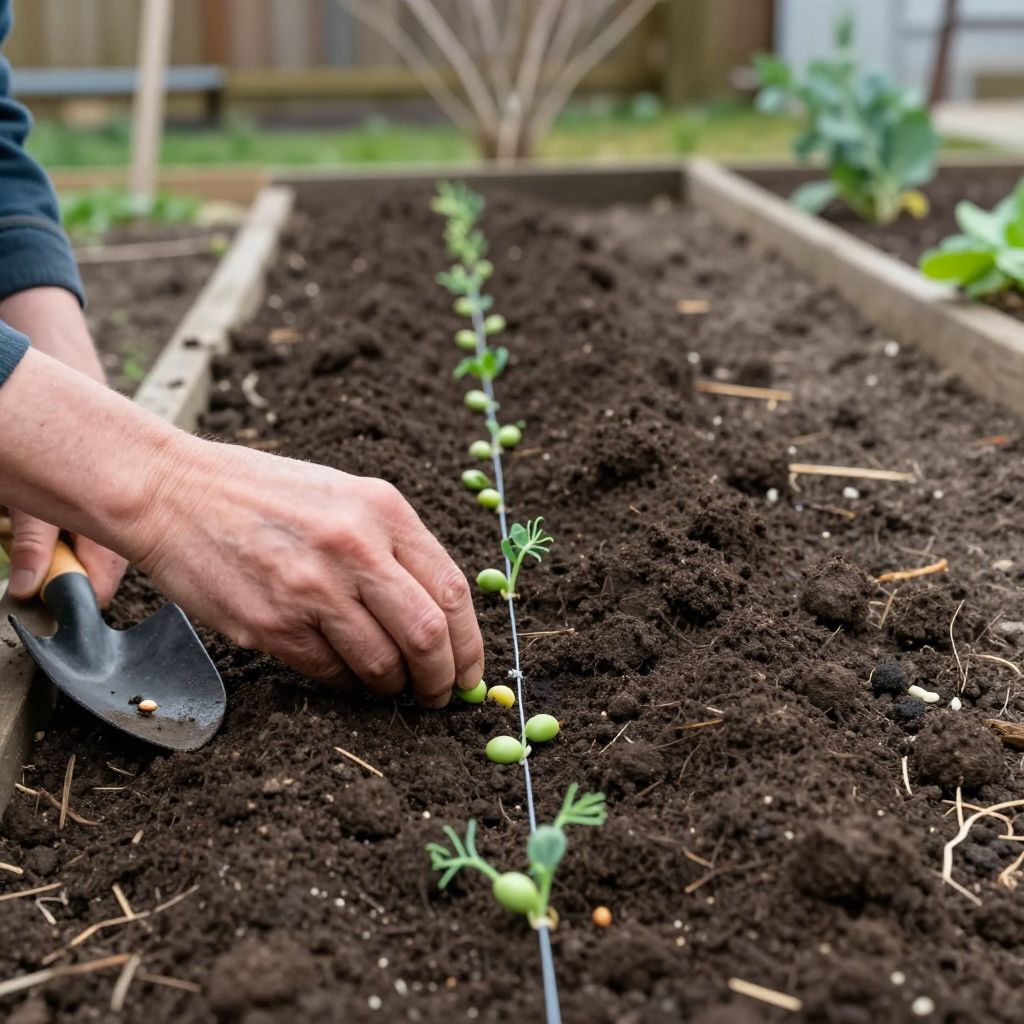
Wondering when to plant peas so they germinate well and produce a strong crop? Peas are a cool-season vegetable, and timing matters more than almost anything else. Plant too late and heat can stop flowering; plant too early in cold, soggy soil and seeds may rot or sprout slowly.
The best planting window depends on your local spring temperatures and the type of pea you’re growing, but the basic rule is simple: sow peas as soon as the soil can be worked in early spring, or in late summer for a fall crop in mild climates.
When to plant peas?
Plant peas in early spring, as soon as soil is workable and temperatures are consistently cool, usually when soil is around 40–55°F. For a fall harvest, sow them 8–10 weeks before your expected first frost if your climate stays cool enough. Peas germinate and grow best before hot weather arrives.
Why timing matters for peas
Peas set flowers and pods when temperatures are cool. Once weather turns warm, plants often slow down, get leggy, or stop producing altogether.
That’s why the best planting time is less about the calendar and more about soil temperature, frost risk, and how quickly your area warms up.
Cool weather is your advantage
- Seeds germinate reliably in cool soil.
- Young plants handle light frost better than heat.
- Pod production is usually better before summer temperatures rise.
Best planting time by season
Early spring planting
This is the main planting season for most gardeners. Sow peas as soon as the soil is no longer waterlogged and you can dig or rake it without clumping.
If you wait until the garden is fully warm, you may still get plants, but harvests are often smaller and shorter-lived.
Fall planting in mild climates
In areas with long, cool autumns and mild winters, peas can be planted for a fall crop. The key is giving them enough time to grow before hard freezes or prolonged heat return.
Fall sowing is less dependable than spring sowing in many regions, but it can work well where autumn stays cool for several weeks.
Indoor starting vs. direct sowing
Most peas are best direct sown outdoors. Their roots dislike transplanting, and seedlings often do better when planted where they will grow to maturity.
If you must start them indoors because your soil is frozen or your season is very short, use biodegradable pots and transplant carefully before roots become crowded.
How to know your soil is ready
Peas prefer moist, well-drained soil that is not sticky or compacted. If the soil forms a muddy ball in your hand, wait a bit longer.
A practical test: if you can work the top few inches of soil without it smearing or clumping badly, it’s usually ready for sowing.
Ideal growing conditions
- Sunlight: Full sun is best, though peas can tolerate light afternoon shade in warmer regions.
- Soil: Loose, fertile, and well-drained.
- pH: Slightly acidic to neutral soil is generally suitable.
- Temperature: Cool conditions favor growth and pod set.
How to plant peas the right way
Good planting technique helps peas germinate evenly and establish quickly. Whether you’re growing shelling peas, snap peas, or snow peas, the basic method is similar.
- Prepare the bed by removing weeds and loosening the top 6–8 inches of soil.
- Mix in compost if the soil is poor or heavy, but avoid overfeeding with high-nitrogen fertilizer.
- Sow seeds about 1–2 inches deep in cool, moist soil.
- Space seeds a few inches apart in rows or blocks, depending on your support system.
- Water gently after planting to settle the soil.
- Install a trellis, netting, or pea brush at planting time if you are growing vining types.
Should you soak pea seeds first?
Some gardeners soak pea seeds for a few hours before planting to speed germination, but it is not required. If your soil is already cool and moist, direct sowing usually works fine.
Avoid soaking seeds too long, especially in cold conditions, because overly wet seeds can split or rot.
Soil preparation and compost
Peas are not heavy feeders, but they do appreciate fertile soil with good structure. Compost helps improve drainage in clay soil and moisture retention in sandy soil.
If your soil is very rich in nitrogen, peas may produce lots of leaves but fewer flowers and pods. A moderate amount of compost is usually enough.
What to avoid in the planting bed
- Fresh manure, which can push leafy growth at the expense of pods.
- Compacted soil, which slows root growth and drainage.
- Waterlogged spots, where seeds may rot.
Watering peas after planting
Keep the soil evenly moist from sowing until seedlings are established. Pea seeds need moisture to sprout, but they should not sit in soggy soil.
After emergence, water deeply when the top inch or two of soil begins to dry. Consistent moisture is especially important during flowering and pod fill.
Common watering mistakes
- Overwatering: Can cause poor germination and root problems.
- Irregular watering: May lead to stunted growth or tough pods.
- Wet foliage at night: Can encourage disease in humid weather.
Do peas need support?
Many pea varieties need support, especially taller or vining types. A trellis helps keep plants upright, improves air circulation, and makes harvesting easier.
Shorter varieties may not need much support, but even a low fence or pea netting can keep them cleaner and more productive.
Simple support options
- Wire mesh or garden netting
- Bamboo stakes and twine
- Brushwood or twig supports
- Short cages for compact varieties
How to extend the harvest
If your climate allows, you can stagger pea plantings every 1 to 2 weeks in early spring. This spreads out harvest time and reduces the risk of losing everything to a sudden heat wave.
For a longer season, choose a site with morning sun and some afternoon shade in warmer areas. That extra shade can help peas keep producing a little longer.
Common problems when planting peas
Seeds don’t sprout
This usually happens because the soil is too cold, too wet, or both. Old seed can also germinate poorly.
Fix it by waiting for better conditions, using fresh seed, and planting in well-drained soil at the right depth.
Seedlings disappear or collapse
Birds, mice, slugs, and damping-off disease can all cause trouble. If stems thin out at the soil line or seedlings vanish overnight, check for pests.
Use row cover, clean planting beds, and avoid overwatering to reduce losses.
Plants grow but don’t flower well
Too much nitrogen, too much heat, or too little sunlight can reduce flowering. Peas also tend to finish quickly once warm weather arrives.
Choose a cooler planting window and avoid overfertilizing if flowering is weak.
Pests and diseases to watch for
Peas are generally easy to grow, but a few problems are common enough to plan for. Good spacing, airflow, and sanitation go a long way.
- Aphids: Often cluster on tender tips and flower buds.
- Powdery mildew: More likely in warm, humid weather or crowded plantings.
- Root rot: Can occur in poorly drained soil.
- Bird damage: Newly planted seeds and young shoots may be eaten.
If aphids appear, a strong spray of water can sometimes knock them off. For mildew, improve airflow and remove badly affected foliage if needed.
Harvesting peas at the right time
Harvest timing depends on the type of pea you planted. Pick pods when they are the size and tenderness you want, before they become tough or overfilled.
Frequent picking encourages more production, especially on snap peas and snow peas. Check plants every day or two once pods begin forming.
General harvest tips
- Use two hands or small scissors to avoid damaging vines.
- Pick regularly to keep plants producing.
- Harvest in the cool part of the day for the best texture.
Quick planting checklist
- Wait until the soil is workable and still cool.
- Choose a sunny, well-drained spot.
- Direct sow seeds 1–2 inches deep.
- Water evenly, but don’t let the bed stay soggy.
- Provide support for climbing varieties.
- Harvest often once pods appear.
Conclusion
If you’re trying to decide when to plant peas, aim for the earliest safe window in spring, or a cool fall window in mild climates. Watch your soil conditions more than the calendar, and sow as soon as the bed is workable. That simple timing choice gives peas the cool weather they need for strong growth and a better harvest.
For more help planning a productive vegetable patch, you may also want to read about how to prepare garden soil for vegetables and growing cool-season crops successfully.