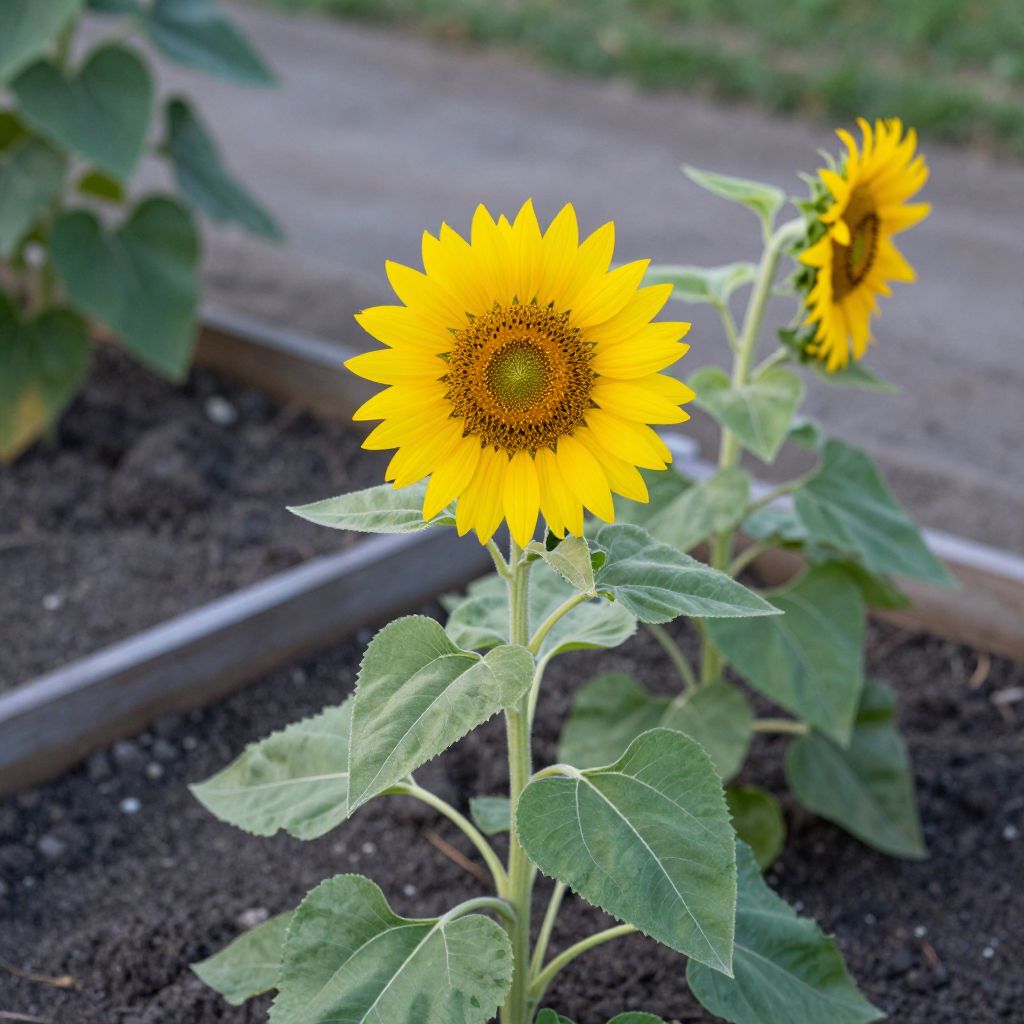
Do sunflowers always face the sun? Not exactly. Young sunflowers often track the sun during the day, but mature blooms usually stop moving and settle facing east. That behavior is normal and tied to growth stage, not a sign that something is wrong with the plant.
If you want healthier, straighter sunflowers and better blooms, it helps to understand how sunflower movement works. The right light, spacing, soil, and support all influence how well they grow and whether they keep that classic sunny posture.
Do sunflowers always face the sun?
No. Young sunflower plants often follow the sun from east to west during the day, a movement called heliotropism. Once the flower heads mature, most sunflowers stop tracking and usually face east, which helps them warm up faster in the morning and can attract pollinators.
Why young sunflowers move and mature ones stop
Sunflower stems and leaves respond to light by growing slightly faster on one side than the other. This is why young plants bend toward the sun as it moves across the sky. As the stem thickens and the flower bud develops, that daily movement slows and usually ends.
What you may notice in the garden
- Seedlings and young plants often turn noticeably through the day.
- Bud stage is when tracking begins to slow.
- Open flowers usually face east rather than following the sun.
- Older plants may remain fixed in place, especially on windy sites.
What sunflowers need to grow well
Sunflowers are easy to grow when they get full sun, decent soil, and enough room for roots and stems to develop. Their movement is only part of the story; strong growth depends on the basics.
Sunlight
Give sunflowers at least 6 to 8 hours of direct sunlight a day. More sun generally means sturdier stems and better flowering. In very hot climates, some afternoon relief can help prevent stress, but deep shade will reduce bloom quality.
Soil and drainage
Sunflowers prefer soil that drains well. They can tolerate average soil, but soggy ground encourages weak roots and disease. If your soil is heavy clay, work in compost to improve structure and drainage before planting.
Spacing
Space plants according to their mature size. Tall varieties need room for air circulation and support, while smaller types can be planted closer together. Crowded sunflowers may lean, compete for light, and develop thinner stems.
How to plant sunflowers for strong, upright growth
Good planting technique helps sunflowers stand tall and face the light naturally. Whether you sow seeds directly outdoors or start them in pots, avoid disturbing the roots too much.
Direct sowing outdoors
- Choose a sunny spot with well-drained soil.
- Sow seeds about 1 inch deep, unless the seed packet says otherwise.
- Water gently after planting so the soil is moist but not muddy.
- Thin seedlings if needed so each plant has enough space.
Starting in containers
If you begin seeds indoors, use deep pots because sunflowers develop long roots quickly. Transplant them carefully once the weather is suitable and the seedlings are still manageable. Too much root disturbance can slow growth and make stems less sturdy.
Support for tall varieties
Very tall sunflowers often benefit from staking, especially in windy gardens or loose soil. Add support early, before the stem gets large, so you do not damage the roots later.
- Use a sturdy stake placed a few inches away from the stem.
- Attach the stem loosely with soft ties.
- Check ties regularly so they do not cut into the plant.
Watering and feeding: what actually helps
Sunflowers do best with consistent moisture while they are establishing, then moderate watering as they grow. Overwatering can be just as harmful as drought, especially in poorly drained soil.
Watering tips
Water deeply when the top layer of soil begins to dry, rather than giving frequent shallow sprinkles. Deep watering encourages roots to grow downward, which helps the plant stay upright and better able to handle heat.
- Water at the base of the plant to keep foliage drier.
- Mulch lightly to help retain moisture and reduce weeds.
- Adjust watering for rainfall, heat, wind, and soil type.
Feeding tips
Sunflowers usually do not need heavy fertilizing. Too much nitrogen can produce tall, leafy plants with fewer blooms and weaker stems. Compost mixed into the soil before planting is often enough for average garden conditions.
Why some sunflowers don’t face the sun the way you expect
If your sunflower is not turning toward the sun, that is not always a problem. Several normal growing conditions can change the way it behaves.
Common reasons
- Maturity: older flowers often face east and stop moving.
- Shade: plants in low light may stretch toward the brightest opening instead of tracking normally.
- Wind: strong winds can influence stem position and cause leaning.
- Overcrowding: nearby plants may block light and force uneven growth.
- Stress: drought, root damage, or poor soil can reduce normal movement.
What to do if your sunflower is leaning
If a young plant leans heavily, check for insufficient light, weak soil, or root disturbance. Move container-grown plants to a brighter location, improve support, and water consistently. For garden plants, thinning nearby competition often helps more than trying to force the stem upright.
Common pests and diseases that affect sunflower growth
Healthy sunflowers usually handle minor pest pressure, but problems can weaken stems and interfere with normal growth and bloom direction. Watch for damage early so you can respond before the plant declines.
Pests to watch for
- Aphids on stems and buds
- Cutworms on young seedlings
- Birds that may peck at seeds or buds
- Slugs and snails in damp gardens
Diseases and stress issues
- Downy mildew and other fungal problems in wet, crowded conditions
- Stem rot in poorly drained soil
- Powdery mildew during warm, dry days with humid nights
To reduce these issues, keep plants spaced well, avoid wetting foliage late in the day, and remove badly affected material when needed. If a plant is repeatedly flopping or shrinking, check the roots and soil first.
How to keep sunflowers healthy through the season
Sunflowers are straightforward, but a few maintenance habits make a big difference in how they grow and whether they hold themselves toward the light in a strong, natural way.
- Plant in full sun with room for airflow.
- Use well-drained soil enriched with compost if needed.
- Water deeply during dry spells, especially while young.
- Stake tall varieties before they become top-heavy.
- Remove weeds that compete for water and light.
- Watch for pests on stems, leaves, and buds.
Harvesting and using sunflowers in the garden
Once blooms open, you can enjoy them as cut flowers, leave them for pollinators, or let seeds mature for birds or saving. If you want the best display, remember that mature flower heads usually face east, so place them where that orientation works in your design.
For cut flowers
Cut stems in the cool part of the day when the flower is just opening or nearly open. Place them in clean water right away. Strong stems and properly spaced plants usually give the best vase life.
For seed heads
If you are growing sunflowers for seed, let the heads dry on the plant as long as weather and birds allow. Support may be needed if the seed heads become heavy. Harvest when the back of the head turns yellow-brown and the seeds are mature.
Best placement ideas for landscaping
Sunflowers work well along fences, in vegetable gardens, as temporary summer screens, or in pollinator borders. Their east-facing mature blooms can be an advantage if you want morning color near a patio, walkway, or window.
For the best effect, place tall sunflowers where they will not shade smaller plants for too long. In mixed borders, use them as a seasonal vertical accent rather than a permanent backdrop.
Conclusion: what to remember about sunflower direction
Do sunflowers always face the sun? No, but young plants often track it, and mature blooms usually face east. If you want strong, healthy sunflowers, focus on full sun, good drainage, proper spacing, and steady care. Start by checking your planting spot and supporting tall plants before they flop.
If you want to grow more reliable summer blooms, you may also enjoy reading about how to grow sunflowers successfully and the best companion plants for sunflowers.