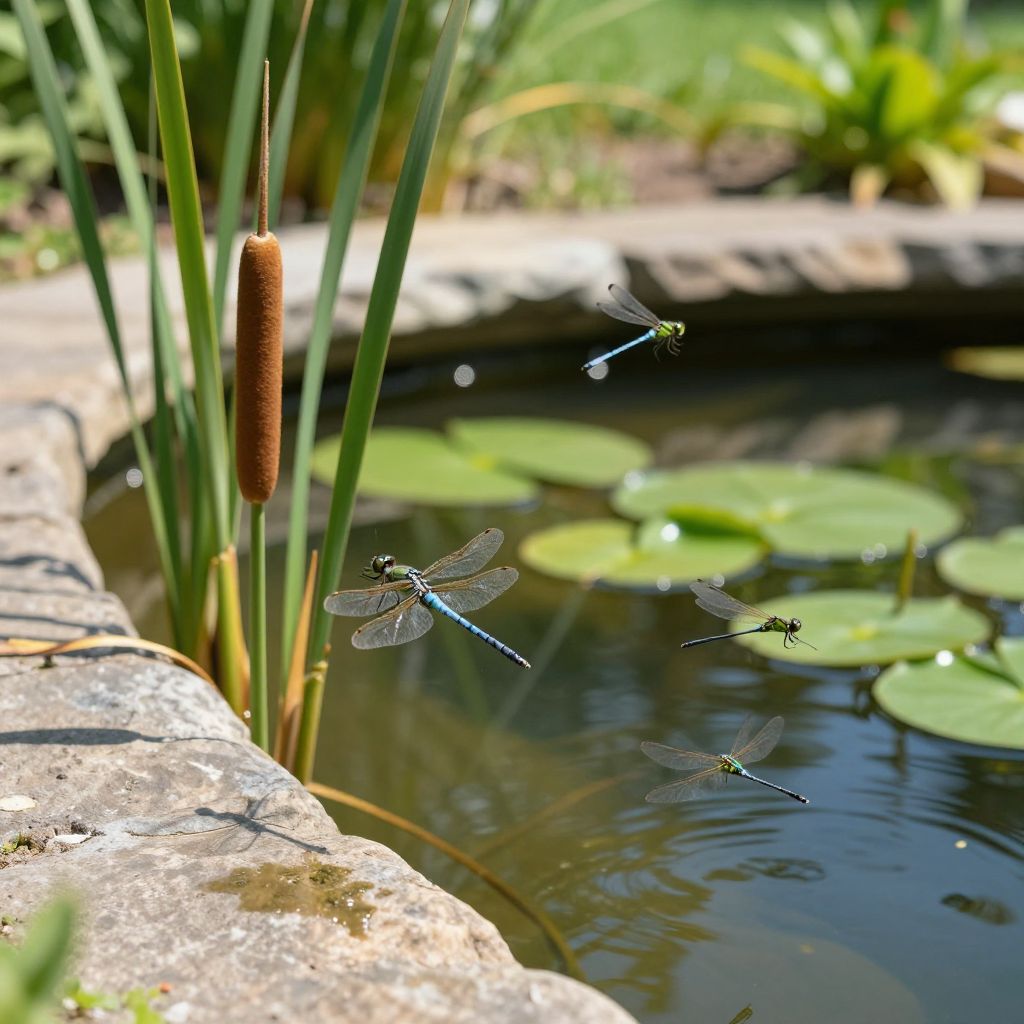
Can you buy dragonflies for your garden? The short answer is: not in any practical, reliable way for home gardeners. Dragonflies are wild insects with complex life cycles, and most reputable suppliers do not sell them for release. If you want more dragonflies, the best approach is to make your garden attractive to them by improving water, habitat, and pest balance.
That means thinking less about “buying” dragonflies and more about creating the conditions they need. A pond, native plants, clean water, sunny perches, and fewer broad-spectrum pesticides can all help bring dragonflies naturally to your yard.
Can you buy dragonflies for your garden?
Usually, no. Dragonflies are not commonly sold as a garden product because they are difficult to transport, do poorly when released, and are protected or regulated in some places. For most gardeners, the realistic and effective option is to attract native dragonflies by adding water, shelter, and insect-friendly planting.
Why dragonflies are hard to “buy”
Dragonflies are not like ladybugs or earthworms, which are sometimes packaged for garden use. They spend most of their lives as aquatic nymphs, and adults are highly mobile predators that need the right habitat to survive.
Their life cycle makes release tricky
- Eggs and nymphs need water that is suitable for development.
- Adults need open airspace, perches, and nearby prey.
- They do not stay in one place just because you release them there.
Why sellers are uncommon
- They are difficult to ship without stress or injury.
- They need very specific conditions to thrive.
- In many areas, collecting and selling native dragonflies is restricted.
If you see dragonflies advertised online, be cautious. Some listings may be misleading, and others may be selling something unrelated, such as aquatic insects or larvae that are not appropriate for release.
What actually brings dragonflies to a garden?
Dragonflies are drawn to places where they can breed, hunt, and rest. The most important feature is water, but not just any water feature. A healthy, lightly managed pond or wetland edge is far more useful than a decorative fountain with no habitat value.
1. Add a pond or water feature
A small pond can make a big difference if it is designed for wildlife. Dragonflies need shallow edges, aquatic plants, and still or gently moving water.
- Include shallow zones for egg-laying and nymph development.
- Plant marginal and submerged plants where appropriate for your climate.
- Avoid fish if your goal is to support dragonfly nymphs, since fish may eat them.
- Keep part of the water surface open so adults can land and hunt.
Even a modest pond can help, but the surrounding garden matters too. Dragonflies use nearby plants for perching, shelter, and hunting flying insects.
2. Plant for habitat, not just flowers
Choose a mix of native grasses, perennials, shrubs, and marginal pond plants. Dragonflies are more likely to visit gardens that offer structure at different heights.
- Tall grasses and stems provide perches.
- Sun-loving perennials attract small insects, which become prey.
- Shrubs and hedges offer windbreaks and resting spots.
Native plants are especially useful because they support a wider range of insects, which helps build the food web dragonflies depend on.
3. Reduce pesticide use
Broad-spectrum insecticides can reduce the insects dragonflies eat and may also harm them directly. If you want more dragonflies, avoid spraying near ponds, damp areas, and flowering borders.
- Use hand-picking, pruning, or water sprays for minor pest problems.
- Tolerate some insect activity; a completely insect-free garden will not support dragonflies well.
- If treatment is necessary, choose the least disruptive option for the specific pest.
4. Provide sunny, open spaces
Dragonflies are sun-loving insects. They often hunt in open areas where they can fly quickly and warm themselves on stems, rocks, or fence posts.
- Leave some open lawn, meadow, or path edges near water.
- Use flat stones, logs, or stakes as resting spots.
- Keep dense shade from closing in on the pond margin.
How to build a dragonfly-friendly garden
If you want a practical plan, start with habitat basics and improve them gradually. You do not need a large property, but you do need a balance of water, plants, and low disturbance.
- Choose a sunny location for a pond or water feature, ideally with at least part-day sun.
- Create shallow edges so insects and amphibians can enter and leave safely.
- Add native aquatic and marginal plants suited to your region.
- Plant nearby nectar-rich and insect-supporting flowers to attract prey species.
- Limit pesticide use and avoid spraying around water.
- Leave some stems standing through the season for perches and resting sites.
- Observe and adjust based on what dragonflies and other wildlife actually use.
Good pond care matters
A dragonfly-friendly pond should stay clean enough to support life, but not so sterile that it becomes useless habitat. Too much algae, stagnant debris, or chemical treatment can reduce its value.
- Remove excess leaves before they rot heavily in the water.
- Keep nutrient runoff from lawn fertilizer out of the pond.
- Use a balanced mix of plants rather than overcrowding the water.
Common mistakes to avoid
Many gardeners try to attract dragonflies but accidentally make the habitat less suitable. Small changes can make a big difference.
Overstocking fish
Fish can be beautiful in a pond, but many species eat dragonfly nymphs. If dragonflies are your priority, keep fish out of the main breeding pond or choose carefully based on your goals.
Using sterile water features
Fountains, chlorinated pools, and very shallow decorative basins usually do not provide the habitat dragonflies need. They may pass through, but they will not likely breed there.
Cutting everything back too early
Leaving some stems and marginal growth in place through the season helps maintain perches and shelter. If you tidy every plant down to the ground, you remove useful structure.
Spraying for every pest
Dragonflies help with flying insects, but they cannot do that job if the garden is repeatedly treated with broad insecticides. A more balanced approach usually works better for long-term pest control.
What if you already have a pond but no dragonflies?
If dragonflies are absent, the issue is often habitat quality, not luck. Check the pond and surrounding area for the conditions they need.
- Is the pond sunny enough? Deep shade can reduce activity.
- Are there shallow edges and plants? Bare, steep-sided ponds are less useful.
- Are fish present? They may be eating nymphs.
- Are pesticides used nearby? Even drift can matter.
- Is there enough prey? A very sterile garden may not support enough insects.
Sometimes dragonflies simply need time. If the habitat improves, native species may arrive naturally in one season or over several years.
Can you raise dragonflies from eggs or nymphs?
Technically, yes, but it is not a simple home-gardening project. Raising dragonflies requires aquatic care, correct species identification, legal awareness, and a plan for the adults after emergence. For most gardeners, it is far easier and more sustainable to support wild populations than to attempt rearing them.
Why this is usually not recommended
- It requires a stable aquatic setup.
- Nymphs are predatory and may need live prey.
- Misidentification can lead to poor outcomes.
- Releasing captive-raised insects may be restricted in some areas.
If your goal is garden wildlife, focus on habitat creation first. That approach supports dragonflies, damselflies, bees, butterflies, frogs, and other beneficial creatures at the same time.
Best plants to support dragonflies
Dragonflies do not feed on plants, but the right planting helps by attracting insects and providing structure. Choose plants suited to your climate and soil, especially native species where possible.
Useful plant types
- Native grasses for vertical perches
- Wildflowers that attract small flying insects
- Shrubs that create windbreaks without blocking all sun
- Marginal pond plants that stabilize shallow water edges
Mixing plant heights is especially helpful. A garden with only lawn or only dense shrubs gives dragonflies fewer places to hunt and rest.
Seasonal tips for attracting dragonflies
Dragonflies are seasonal, and your garden care should match local weather and water conditions. In warm months, focus on open water, active plant growth, and avoiding chemical disturbance. In cooler months, protect the pond structure and avoid major disruption to overwintering habitat.
Spring and early summer
- Check pond edges and replant any damaged marginal plants.
- Remove winter debris carefully without stripping all habitat.
- Watch for emerging adults around sunny water.
Mid to late summer
- Maintain water levels if drought is a problem in your area.
- Keep some open space around the pond margin.
- Limit heavy pruning that removes perches and cover.
Autumn and winter
- Clean only what is necessary to prevent decay from overwhelming the pond.
- Leave some stems and leaf litter if they are not causing problems.
- Avoid draining or freezing damage where possible.
So, should you try to buy dragonflies?
For most gardeners, no. Instead of trying to purchase dragonflies, build the habitat they need and let them arrive naturally. That is safer, more reliable, and much better for the long-term health of your garden ecosystem.
If you want to keep learning about wildlife-friendly gardening, look for more reading on pond planting, native pollinator habitat, and low-impact pest management.