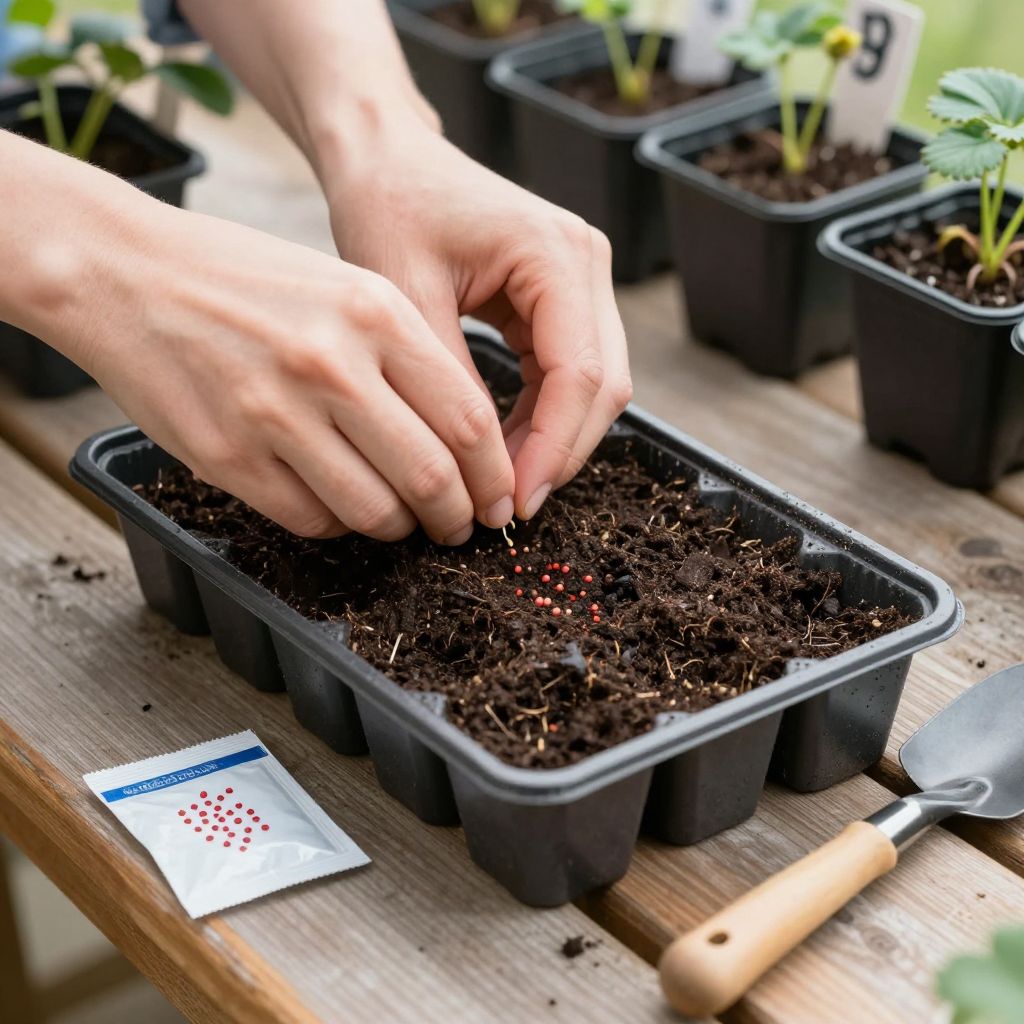
Wondering when to plant strawberry seeds? The best time depends on whether you’re starting them indoors or sowing outdoors, but in most climates, late winter to early spring indoors gives seedlings enough time to grow before transplanting. Strawberry seeds are slow to germinate, so timing matters if you want strong plants by the next growing season.
Because strawberries grow slowly from seed, the goal is to give them a long, steady start in warm, bright conditions. If you match planting time to your local climate and protect young seedlings from cold, you’ll have a much better chance of success.
When to plant strawberry seeds?
Plant strawberry seeds indoors 8 to 12 weeks before your last expected frost date, or sow them in a protected outdoor seedbed only after danger of frost has passed and temperatures are consistently mild. In cool climates, starting seeds indoors is usually the most reliable method because seedlings need warmth, light, and a long growing season.
Why timing matters for strawberry seeds
Strawberry seeds are tiny and slow to germinate. They also produce small seedlings that can be easily stalled by cold soil, poor light, or drying out.
Unlike transplants, strawberry seedlings usually need extra time before they’re strong enough for the garden. If you start too late, plants may be too small to establish well before heat, drought, or winter arrives.
Indoor sowing vs. outdoor sowing
- Indoor sowing: Best for most gardeners because it gives you control over temperature and moisture.
- Outdoor sowing: Works best in mild climates or in a sheltered, protected seed-starting area.
- Direct sowing in the garden: Usually less reliable unless your season is long and conditions are gentle.
Best planting time by season
For most home gardeners, the safest approach is to sow strawberry seeds indoors in late winter or early spring. That gives seedlings time to grow before they are moved outside after frost danger passes.
Late winter
This is a good time to start seeds indoors if you want plants ready for spring transplanting. Use grow lights or a very bright window, since weak light causes leggy seedlings.
Early spring
Early spring is still a good sowing window in many regions, especially if your last frost date is still several weeks away. If your spring is short, starting early helps seedlings build size before summer heat.
Late spring to early summer
If you missed the earlier window, you can still sow seeds indoors, but expect slower development. In hot climates, keep seedlings in a cooler protected area so they do not dry out or stall.
Fall sowing
Fall sowing is usually not ideal for beginners unless you have a greenhouse or a frost-free indoor setup. Young seedlings are too tender for sudden cold unless they are well established and protected.
How to plant strawberry seeds step by step
Strawberry seeds can be slow and uneven to sprout, so careful seed-starting gives you the best results. A sterile, fine-textured mix and steady moisture are especially important.
- Fill seed trays or small pots with a fine seed-starting mix.
- Moisten the mix before sowing so it is damp, not soggy.
- Scatter the seeds thinly on the surface.
- Press them gently into the mix without burying them deeply.
- Cover very lightly if the seed packet recommends it, but many strawberry seeds need light to germinate.
- Keep the tray warm and evenly moist.
- Place it in bright light as soon as seedlings appear.
Do not bury strawberry seeds too deeply. They are tiny and may fail to emerge if covered too much.
Ideal germination conditions
- Temperature: Warm, stable conditions help germination; avoid cold drafts.
- Light: Bright light is essential once seedlings emerge.
- Moisture: Keep the surface lightly moist, not waterlogged.
- Airflow: Gentle airflow helps reduce damping-off disease.
Soil, compost, and drainage for young strawberry plants
Strawberries do best in loose, well-drained soil that holds some moisture but never stays soggy. For seedlings and transplants, use a light potting mix or garden soil improved with compost.
If you are planting in the ground, choose a bed that drains well after rain. Heavy clay soil can be improved with organic matter, but avoid making it muddy or compacted.
What to aim for
- Loose soil structure
- Good drainage
- Moderate fertility
- Organic matter such as compost
Too much rich fertilizer early on can produce soft growth. Compost is usually a better first step than strong feeding.
When to transplant strawberry seedlings outdoors
Move seedlings outdoors only after they are sturdy and the weather is reliably mild. In most areas, that means after the last frost date and after you have hardened them off for 7 to 10 days.
Hardening off means gradually exposing seedlings to outdoor conditions. Start with a few hours in shade or filtered light, then increase sun and time outside each day.
Signs seedlings are ready
- They have several true leaves.
- They are not floppy or pale.
- The root system holds the potting mix together.
- Night temperatures are no longer cold enough to stress them.
If seedlings are still tiny, keep them growing indoors a little longer rather than rushing them into the garden.
Sun, water, and spacing after planting
Strawberries need full sun for best flowering and fruiting, though very hot climates may benefit from light afternoon shade. Aim for at least 6 to 8 hours of sun where possible.
Water newly planted strawberries deeply enough to settle the soil, then keep the root zone evenly moist while plants establish. Avoid frequent shallow watering, which encourages weak roots.
Spacing basics
- Give plants enough room for airflow.
- Do not crowd them, or disease risk rises.
- Keep crowns at soil level when transplanting.
The crown should sit right at the soil surface. Planting too deep can cause rot, while planting too high can dry the roots out.
Common mistakes when starting strawberry seeds
Most problems come from trying to rush the process or giving seedlings the wrong conditions. Strawberry seeds are forgiving in some ways, but not when they are kept too wet, too dark, or too cold.
1. Starting too late
If you sow seeds too close to planting time, seedlings may not be large enough to survive outdoor stress. Start early enough to give them a long indoor head start.
2. Using heavy soil
Dense soil holds too much water and can smother tiny roots. Use a fine seed-starting mix until seedlings are established.
3. Letting the surface dry out
Seedlings can fail if the top layer dries repeatedly. Mist gently or water from below to keep moisture steady.
4. Not enough light
Low light leads to long, weak seedlings that topple over. Use a bright window only if it truly gets strong light; otherwise, grow lights are better.
5. Skipping hardening off
Indoor-grown seedlings can scorch or collapse if moved straight outdoors. Gradual acclimation makes transplanting much safer.
Pests and diseases to watch for
Young strawberries can be affected by common seedling problems, especially if they stay too wet or crowded. Good airflow and clean tools help prevent many issues.
- Damping-off: Seedlings collapse at the soil line; prevent it with clean mix, moderate moisture, and airflow.
- Slugs and snails: Can chew young plants outdoors; use barriers or hand-pick at dusk.
- Aphids: May cluster on tender growth; rinse them off or manage early before they spread.
- Fungal leaf spots: Often worse in crowded, wet conditions; remove affected leaves and improve spacing.
Healthy spacing, dry foliage at night, and clean watering habits go a long way toward preventing trouble.
Can you grow strawberries from seed successfully?
Yes, but patience is important. Growing strawberries from seed is slower than planting runners or nursery transplants, and the fruiting quality can vary depending on the seed source.
For gardeners who enjoy starting plants from seed, it can be rewarding. For faster results, many people prefer buying young plants and using seeds only when they want to try a specific variety or enjoy the process.
Best uses for strawberry seeds
- Starting plants early indoors
- Growing in containers or raised beds
- Trying a small home seed-starting project
Harvesting expectations for seed-grown strawberries
Seed-grown strawberries usually need time to mature before producing a meaningful crop. Some may flower lightly in the first season, but stronger harvests often come later once plants are well established.
Focus first on building healthy foliage and roots. A strong plant will reward you with better fruiting later than a stressed one pushed to produce too soon.
Quick timeline to follow
- 8 to 12 weeks before last frost: Start seeds indoors.
- After germination: Provide bright light and steady moisture.
- When seedlings are sturdy: Pot up if needed.
- 7 to 10 days before transplanting: Harden off gradually.
- After frost danger passes: Move outdoors into prepared soil.
Conclusion
If you’re deciding when to plant strawberry seeds, start indoors 8 to 12 weeks before your last frost date for the best results in most climates. Give seedlings warmth, light, and steady moisture, then transplant them only after they are strong and the weather is safe.
If you want more growing guidance, you may also find this helpful: can you grow strawberries indoors.