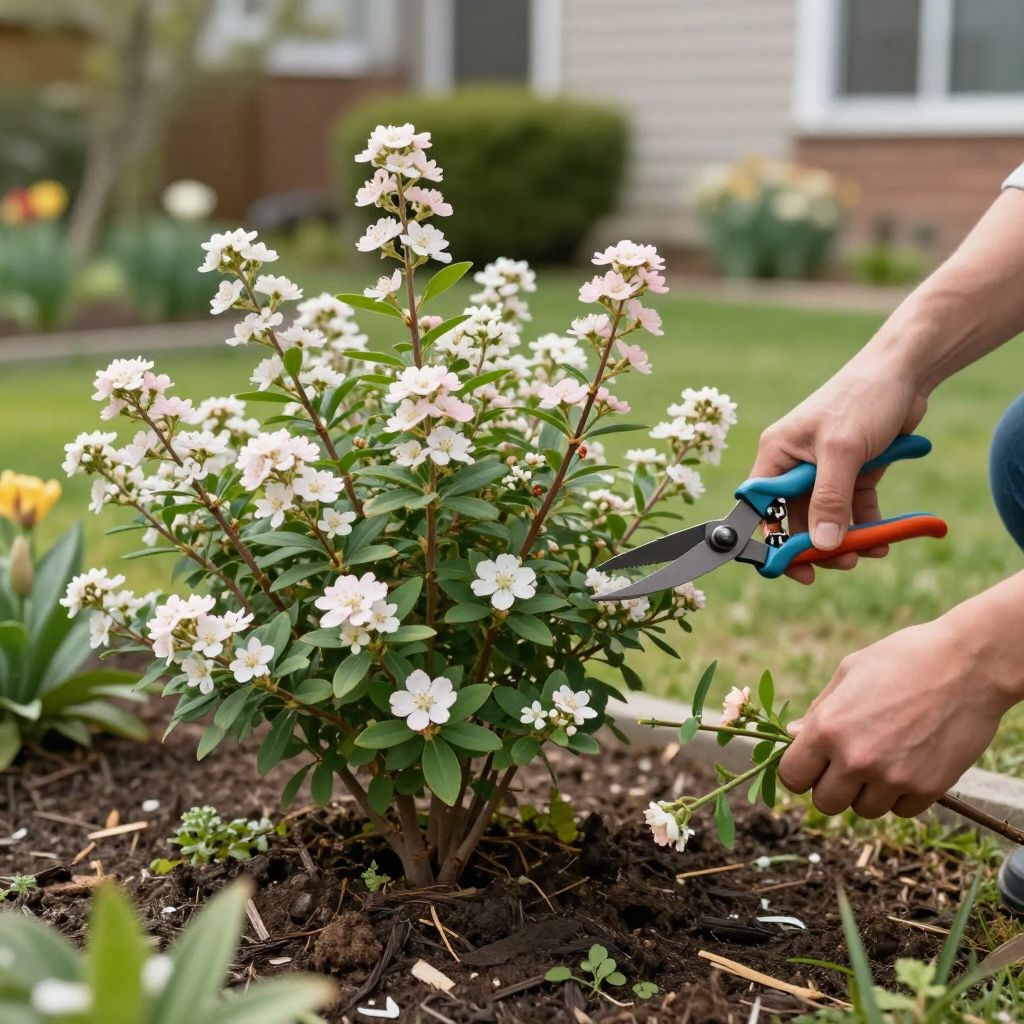
Wondering when to trim spirea without ruining the bloom display? The best time depends on whether your shrub flowers in spring or summer, but in general, spirea responds well to light shaping after flowering and more substantial renewal pruning in late winter or early spring.
With the right timing, you can keep spirea compact, encourage fresh growth, and avoid cutting off next season’s flower buds. A few simple pruning rules make a big difference, especially if your shrub is overgrown or has become thin in the center.
When to trim spirea?
Trim spring-flowering spirea right after they finish blooming, and trim summer-flowering spirea in late winter or early spring before new growth starts. Light shaping can be done during the growing season, but avoid heavy pruning at the wrong time if you want the best flower production.
How spirea flowering time affects pruning
Spirea is not one single pruning schedule. The right timing depends on when the shrub blooms, because flower buds form on different wood depending on the type.
Spring-flowering spirea
These shrubs bloom on old wood, meaning they set next year’s flower buds after this year’s bloom. If you prune them too late in the season, you may remove those buds and reduce flowering.
For spring bloomers, prune immediately after flowering. That gives the plant time to make new growth and develop next year’s flower buds.
Summer-flowering spirea
These bloom on new wood, which means they flower on the current season’s growth. For this group, late winter or early spring pruning is usually best because it stimulates vigorous new shoots and more flowers later in the season.
If you are unsure which type you have, watch the bloom time for one season. Spring bloomers usually flower early and finish quickly, while summer bloomers flower later and often keep blooming longer.
Best pruning window by season
Here is a simple way to think about timing:
- Late winter to early spring: Best for summer-flowering spirea and for renewal pruning on older shrubs.
- Right after spring bloom: Best for spring-flowering spirea.
- Midseason: Good only for light shaping, deadheading, or removing damaged stems.
- Late summer to fall: Usually avoid major pruning, especially on spring-flowering types.
In colder climates, wait until the worst winter weather has passed before making major cuts. In milder climates, you may be able to prune a little earlier, but the same bloom-cycle rules still apply.
How to prune spirea correctly
Spirea is forgiving, which makes it a good shrub for beginners. Still, the way you cut matters if you want a neat shape and healthy regrowth.
Step-by-step pruning approach
- Start by removing dead, broken, or diseased stems.
- Cut out any stems that cross or rub against each other.
- Thin a few of the oldest stems at the base to open the center of the shrub.
- Shorten overlong branches to shape the plant naturally.
- For overgrown shrubs, reduce height and spread gradually rather than shearing hard all at once.
Use clean, sharp hand pruners for small stems and loppers for thicker canes. If you are removing diseased wood, disinfect tools between cuts to avoid spreading problems.
How much can you cut back?
For routine maintenance, removing about one-third of the oldest stems at the base is often enough. For a very overgrown shrub, you can rejuvenate it more aggressively, but it is usually better to spread major pruning over two seasons so the plant does not look bare for too long.
Avoid “hedge trimming” spirea into a tight ball every time. That can create a dense outer shell with weak growth inside and fewer flowers overall.
What to do with an overgrown spirea
If your spirea has become leggy, woody, or too large for its space, pruning can bring it back into shape. The best approach depends on the shrub’s age and your patience.
Rejuvenation pruning
Older spirea often respond well to renewal pruning. In late winter or early spring, remove the oldest stems at ground level and leave younger stems to carry the plant through the season.
If the shrub is extremely crowded, you can cut it back more heavily, but expect fewer flowers that year and a temporary bare look. Healthy roots usually push out new shoots quickly.
Gradual renovation
If you do not want to sacrifice a full season of bloom, remove a portion of the oldest stems each year. This keeps the shrub looking fuller while slowly improving structure and vigor.
Light trimming versus hard pruning
Not every spirea needs a major cutback. Often, a little selective pruning is enough to keep the plant attractive.
- Light trimming: Deadheading spent flowers, shortening a few long shoots, and removing damaged stems.
- Moderate pruning: Thinning and shaping after bloom or before spring growth.
- Hard pruning: Cutting back a large portion of the shrub to rejuvenate an old plant.
Light trimming can be done whenever needed, but hard pruning should be timed carefully to match the shrub’s bloom cycle.
Common pruning mistakes to avoid
Spirea is tough, but a few common mistakes can reduce flowering or leave the shrub looking awkward.
- Pruning spring-flowering spirea in late winter: This removes flower buds.
- Shearing at the wrong time: It can create a dense outer layer and weak interior growth.
- Cutting only the tips every year: This encourages a crowded top and woody base.
- Leaving dead or diseased stems in place: These can invite pests and reduce vigor.
- Pruning during drought stress: The plant may struggle to recover if soil is very dry.
If your shrub is already stressed, water it well a day or two before pruning, and avoid removing too much foliage at once.
How to tell if your spirea needs pruning now
You do not have to prune on a fixed calendar date if the shrub does not need it. Look for these signs instead.
- Flowering has finished and the shrub looks tired or uneven.
- Stems are crossing or crowding the center.
- The base is woody and sparse, with most leaves and flowers at the tips.
- Branches are flopping outward after rain or wind.
- The shrub is outgrowing its space or blocking a path.
If the plant still looks balanced and blooms well, you may only need a light cleanup rather than a full pruning session.
Aftercare following pruning
Post-pruning care helps spirea recover quickly and push out healthy new growth.
- Water deeply if rainfall is lacking, especially after a hard prune.
- Add a thin layer of compost around the root zone if the soil is poor, but keep it away from the stems.
- Mulch to conserve moisture and reduce weeds.
- Watch for fresh shoots and remove any weak or damaged growth later if needed.
Spirea usually does not need heavy feeding. In average garden soil, too much fertilizer can produce lots of leafy growth with fewer flowers.
Growing conditions that support better pruning results
Healthy spirea recovers faster from pruning when it is planted in the right conditions. These shrubs generally do best in full sun to light shade, with well-drained soil.
Good drainage matters because soggy soil weakens roots and slows regrowth. If your soil stays wet after rain, improve it with organic matter and consider whether the planting spot is too low.
Once established, spirea is fairly drought-tolerant, but newly pruned shrubs still benefit from consistent moisture while they regrow. A stressed plant is less able to replace removed stems and flower buds.
Pests and diseases to watch for after pruning
Pruning itself does not usually cause problems, but open cuts and fresh growth can make it easier to notice issues early.
Look for aphids on tender new shoots, leaf spots during humid weather, and occasional powdery mildew in crowded, poorly ventilated plantings. Good spacing, air circulation, and clean tools help reduce these problems.
If you see cankers, dieback, or blackened stems, remove the affected wood back to healthy tissue and discard it rather than composting it if disease is suspected.
Simple pruning tools for spirea
You do not need specialized equipment to trim spirea well.
- Hand pruners: Best for small stems and precise cuts.
- Loppers: Useful for thicker older canes.
- Pruning saw: Helpful on very woody, mature shrubs.
- Gloves: Useful for protecting your hands from scratches.
Keep blades sharp so cuts are clean. Ragged cuts heal more slowly and can make the plant look untidy.
Quick guide: when to trim spirea based on bloom time
- Spring bloomers: Trim right after flowering.
- Summer bloomers: Trim in late winter or early spring.
- Overgrown shrubs: Renew gradually, or cut back hard in late winter if you accept reduced bloom for a season.
- Damaged stems: Remove anytime you notice them.
Conclusion
If you remember one rule, make it this: trim spirea according to when it blooms. Spring-flowering types should be pruned after bloom, while summer-flowering types are best cut back in late winter or early spring. Start with clean tools, remove dead wood first, and shape the shrub lightly for the healthiest results.
If you want to keep learning about shrub care and seasonal pruning, look for related guides on how to prune flowering shrubs and basic shrub maintenance for home gardens.