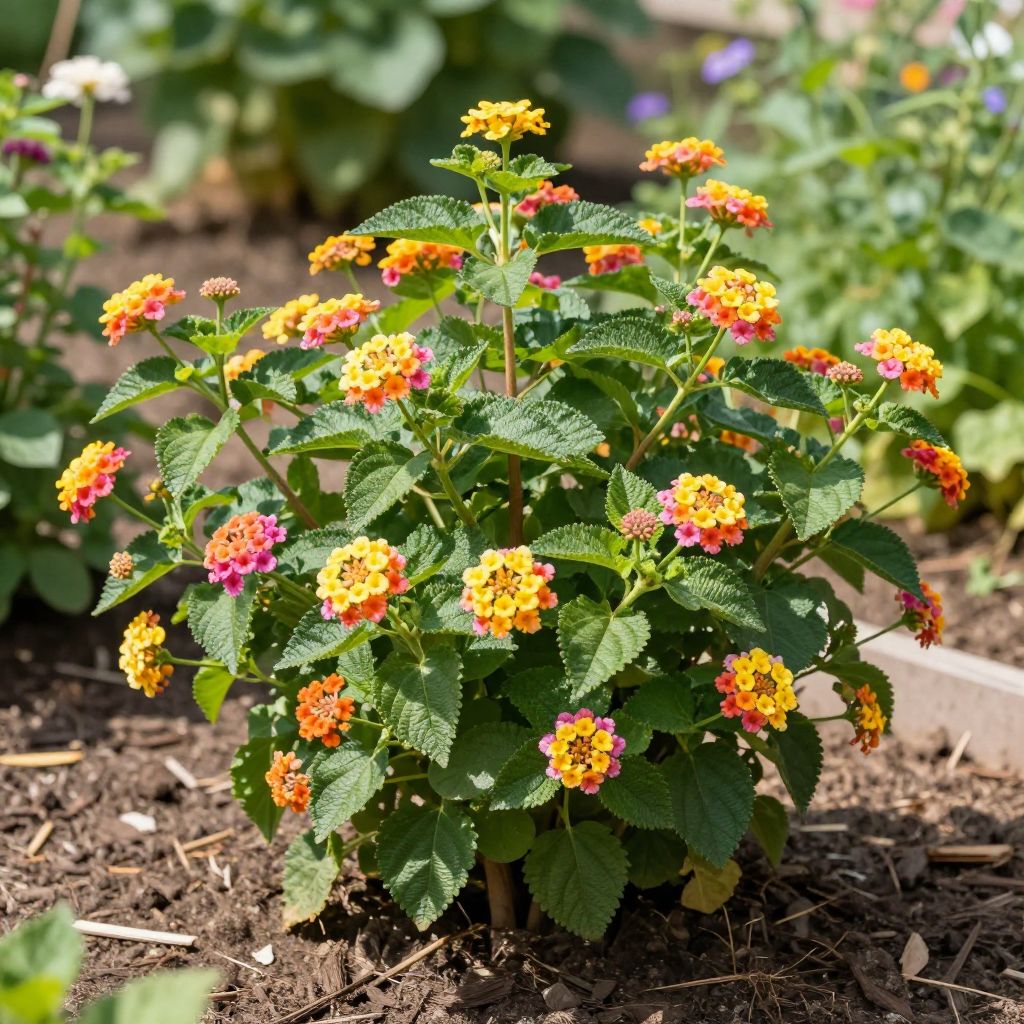
Are lantanas perennials? The short answer is: often yes, but it depends on your climate. Lantana plants can live for years in frost-free or mild-winter areas, while in colder regions they’re usually grown as annuals or treated as tender perennials that need protection indoors.
If you know how much cold your lantana can handle, you can keep it blooming longer, overwinter it successfully, and avoid common care mistakes. Here’s how to tell whether lantanas will return in your garden and how to grow them well.
Are Lantanas Perennials?
Lantanas are perennial shrubs in warm climates, especially where winters stay mild and frost is rare. In colder areas, they are damaged or killed by freezing temperatures, so gardeners often grow them as annuals or bring them indoors for winter. Their long-term survival depends mostly on temperature, drainage, and winter protection.
What Kind of Plant Is Lantana?
Lantana usually refers to Lantana camara and related ornamental hybrids. These are sun-loving flowering plants with clusters of small blooms that often change color as they age.
In the garden, lantana may grow as a low mounding plant, a sprawling groundcover, or a shrub-like specimen depending on the variety and climate. In frost-free regions, it can become a long-lived landscape plant.
Why climate matters so much
Lantana is sensitive to cold. A light frost may kill the top growth, and a hard freeze can kill the plant to the roots in many areas.
That means the same plant may behave very differently from one region to another:
- Warm climates: lantana can act as a true perennial and return each year.
- Cooler climates: it may die back in winter or need indoor overwintering.
- Very cold climates: it is usually grown as a seasonal annual.
How to Tell If Your Lantana Will Come Back
Whether lantana returns next season depends on your local winter lows, how established the plant is, and whether it was planted in the ground or in a container. Mature plants in the right climate are more likely to survive than young plants exposed to poor drainage or harsh cold.
Signs your lantana may survive winter
- The plant is growing in a mild-winter area with little or no frost.
- It is planted in well-drained soil, not soggy ground.
- The crown and roots are protected by mulch in late fall.
- It was healthy going into winter, with no major pest or disease stress.
Signs it may not return
- Leaves and stems blacken after a freeze.
- The plant stays soft, mushy, or rotten at the base.
- It was in a pot that froze solid outdoors.
- The soil stayed wet and cold for long periods.
Best Growing Conditions for Lantana
Lantana performs best in full sun, warm temperatures, and fast-draining soil. If you give it these basics, it will usually bloom more heavily and resist many common problems.
Sunlight
Choose a site with at least 6 to 8 hours of direct sun daily. In too much shade, lantana may grow leggy, flower poorly, and become more prone to mildew.
Soil and drainage
Lantana prefers average to lean soil that drains quickly. Heavy clay or constantly wet beds can lead to root rot, especially in cool weather.
If your soil is dense, improve drainage by mixing in compost and planting on a slight mound or raised bed. Avoid over-amending with rich organic matter, which can encourage leafy growth at the expense of flowers.
Watering
Water newly planted lantana regularly until established, then water only when the soil begins to dry. Mature plants are fairly drought-tolerant, but they still flower best with occasional deep watering during hot, dry spells.
Overwatering is one of the most common mistakes with lantana. Wet soil can reduce flowering and increase the risk of root problems.
How to Plant Lantana for Long-Term Success
Plant lantana in spring after frost danger has passed in cooler regions, or during a mild season in warm climates. The goal is to help roots establish before extreme heat or cold arrives.
- Pick a sunny site with good air circulation.
- Dig a hole as deep as the root ball and slightly wider.
- Loosen compacted soil around the planting area.
- Set the plant at the same depth it was growing in the pot.
- Backfill, firm gently, and water thoroughly.
- Add a light layer of mulch, keeping it a few inches away from the stems.
For containers, use a pot with drainage holes and a well-draining potting mix. Container lantana dries out faster than in-ground plants, so check moisture more often during warm weather.
Pruning and Deadheading Lantana
Regular pruning helps lantana stay compact, bloom more evenly, and recover from winter dieback. In warm climates, light shaping during the growing season can keep plants tidy without reducing flowers too much.
What to remove
- Dead or frost-damaged stems
- Leggy growth that flops open
- Spent flower clusters if you want a neater look
When to prune
Prune after the main flush of growth or in late winter to early spring in frost-free climates. In colder areas, wait until you can clearly see what survived winter before cutting back.
If your lantana dies back to the ground after frost, do not assume it is dead right away. Scratch a stem lightly; green tissue underneath suggests the plant may still recover from the base if the roots survived.
Overwintering Lantana Indoors
If you live where lantana is not hardy, you can try overwintering it indoors. This works best for container plants, though in-ground plants can sometimes be dug up and potted before frost.
Indoor overwintering steps
- Move the plant inside before a hard freeze.
- Inspect for pests such as whiteflies or aphids.
- Cut back overly long stems to make it easier to manage indoors.
- Place it in a bright window or under grow lights.
- Water sparingly, allowing the top inch or two of soil to dry between waterings.
Indoors, lantana often slows down or goes semi-dormant. That is normal. The plant needs less water and no heavy feeding during this rest period.
Do not keep the soil constantly moist indoors. Cool temperatures and low light can make roots rot quickly.
Common Lantana Problems and Fixes
Most lantana problems come from too little sun, too much water, or stress from cold weather. Catching the issue early usually makes recovery easier.
Few flowers
If lantana is leafy but not blooming, it may need more sun or less fertilizer. Too much nitrogen encourages foliage instead of flowers.
Fix: Move container plants to a brighter spot, avoid high-nitrogen lawn fertilizer nearby, and trim back overly lush growth if needed.
Yellowing leaves
Yellow leaves can signal overwatering, poor drainage, or root stress. In containers, it may also happen if the pot stays too wet after rain.
Fix: Let the soil dry slightly between waterings and confirm that the container drains freely.
Pests
Whiteflies, aphids, and spider mites can occasionally trouble lantana, especially on stressed plants or those grown indoors.
Fix: Rinse foliage with water, remove badly infested growth, and improve air circulation. Check the undersides of leaves regularly.
Frost damage
Blackened, wilted stems after a cold snap are a sign of frost injury. In mild cases, the roots may still live.
Fix: Wait until spring warmth returns before removing all damaged growth. If the plant does not resprout, replace it with a hardier choice for your climate.
Can Lantana Be Grown as a Perennial in Containers?
Yes, but container-grown lantana is more exposed to winter cold than plants in the ground. Pots freeze faster, so a plant that survives outdoors in the landscape may not survive in a container unless you protect it or move it inside.
If you want to keep it year after year, place the pot in a sheltered location, such as against a warm wall, or overwinter it indoors in bright light. In very cold regions, indoor storage is usually the safer option.
Landscaping Uses for Lantana
Lantana is useful in hot, sunny spaces where many flowering plants struggle. It works well in borders, pollinator gardens, mixed containers, and dry, open areas with good drainage.
Because it tolerates heat and some drought once established, it can be a practical choice for low-maintenance plantings. Just remember that it still needs sun and room to breathe.
- Use compact types near walkways or container edges.
- Use larger forms as colorful fillers in sunny beds.
- Combine with other heat-loving plants that also prefer drainage.
Conclusion: How to Decide If Lantana Is Perennial in Your Garden
Lantanas are perennials in warm, frost-free climates, but in colder regions they are seasonal plants unless you overwinter them indoors. To get the best results, give them full sun, well-drained soil, and careful watering, then protect them from cold as your climate requires.
If you are planning your garden for next season, check your local winter lows, choose a sunny site, and decide now whether your lantana will stay in the ground, move to a pot, or come indoors before frost. For more plant care ideas, you may also want to read about how to prune flowering shrubs and container gardening basics.