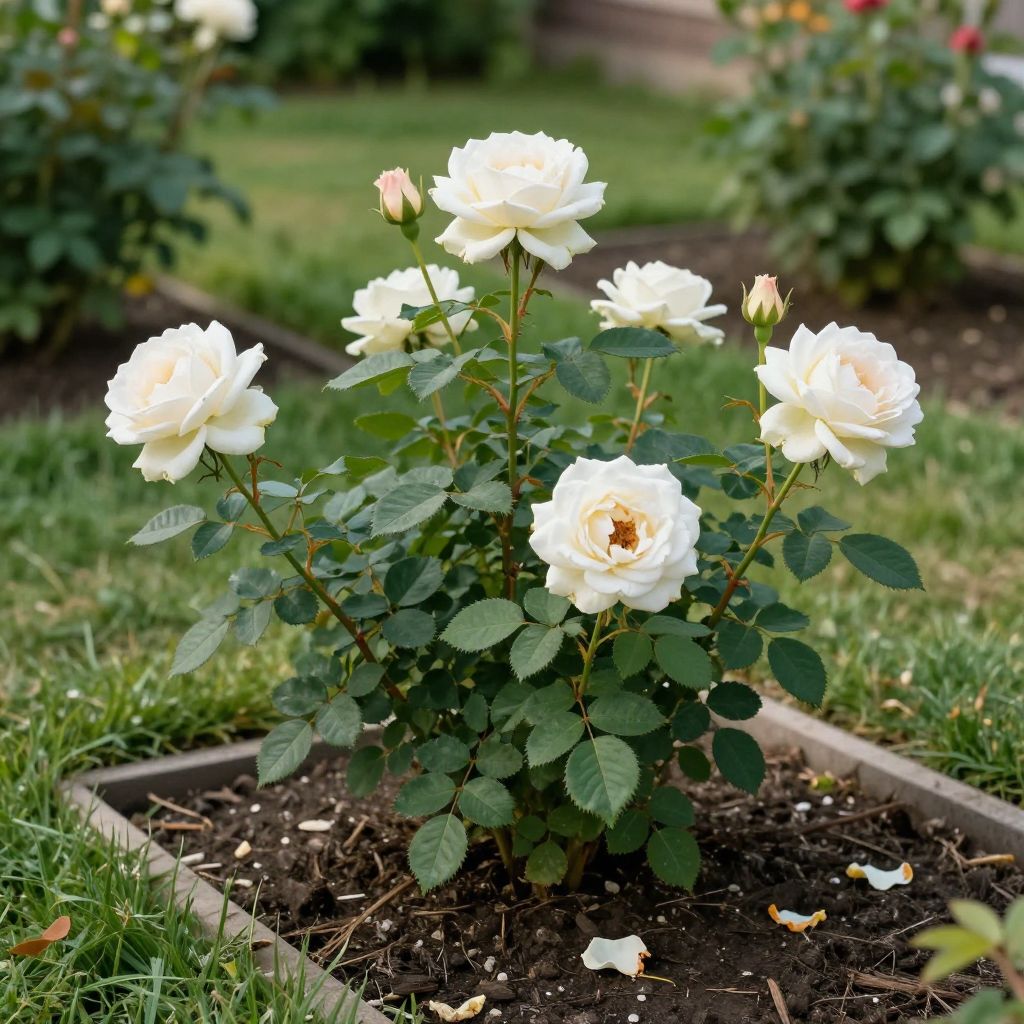
When do rose bushes bloom? The short answer is that most roses bloom from late spring into fall, but the exact timing depends on the type of rose, your climate, and how much sun and care the plant receives. Some roses flower once a year, while many modern varieties bloom in repeat flushes.
If your rose is not blooming when you expected, the cause is often pruning timing, too little sun, excess nitrogen, drought stress, or simply a young plant still establishing roots. Knowing the bloom cycle helps you set realistic expectations and improve flowering.
When do rose bushes bloom?
Most rose bushes bloom in late spring or early summer, then repeat in waves through summer and sometimes into fall. Once-blooming roses flower on old wood for a short season, while repeat-blooming roses produce several flushes if they get enough sun, water, and regular deadheading.
What affects rose bloom timing?
Rose bloom time is shaped by variety, climate, and growing conditions. A rose in a warm region may open weeks earlier than the same plant in a cooler garden, and a shaded or stressed plant may bloom later and less often.
Rose type matters most
- Once-blooming roses usually flower one time in late spring or early summer.
- Repeat-blooming roses such as many hybrid teas, floribundas, and shrub roses often bloom in cycles.
- Old garden roses may bloom heavily once, then rest for the season.
Climate changes the calendar
In mild climates, roses may begin blooming earlier and continue longer. In colder regions, the first bloom often waits until after the last hard frost and may be compressed into a shorter season.
Sunlight drives flowering
Roses generally need at least 6 hours of direct sun daily for strong bloom. Less light usually means fewer flowers, weaker stems, and more disease pressure.
Typical rose bloom pattern through the season
Although every garden is different, many roses follow a general pattern: spring growth, first bloom, a pause, then one or more repeat flushes. Understanding that rhythm helps you avoid overreacting when the plant takes a short break between flower cycles.
- Spring: new canes and leaves emerge, followed by buds.
- Late spring to early summer: first major bloom flush.
- Summer: repeat flushes, especially on reblooming varieties.
- Fall: a final bloom cycle in many climates before dormancy.
Heat can shorten each flower’s life, while cool weather often helps blooms last longer. Heavy rain, wind, or extreme temperatures can also damage petals and reduce display time.
Why some roses bloom once and others rebloom
Not all roses are bred to flower the same way. Once-blooming roses set most of their flower buds on older stems, while repeat-blooming roses keep producing new flowering shoots during the season.
Once-blooming roses
These roses often give a spectacular but brief show. Pruning them at the wrong time can remove next year’s flower buds, so timing matters more than with reblooming types.
Repeat-blooming roses
These roses benefit from deadheading, steady moisture, and balanced nutrition. They usually bloom best when you remove spent flowers before the plant spends energy on seed hips.
How to encourage more blooms on rose bushes
If your rose is healthy but underperforming, a few basic adjustments can make a big difference. Focus on light, soil, water, and pruning before reaching for stronger fertilizer or more complicated fixes.
- Give it full sun. Move container roses if needed, or prune nearby plants that shade the rose.
- Improve drainage. Roses dislike soggy roots, so amend heavy soil with compost and plant in raised beds if drainage is poor.
- Water deeply. Water at the base when the top few inches of soil dry out, rather than giving frequent shallow watering.
- Feed lightly and appropriately. Too much nitrogen can produce lush leaves with few flowers.
- Deadhead spent blooms. Cut back to a strong leaf set or outward-facing bud on reblooming roses.
- Prune at the right time. Match pruning to the rose type and your local climate.
Soil and compost
Roses do best in fertile, well-drained soil with plenty of organic matter. A few inches of compost worked into the planting area can improve structure, moisture retention, and root growth without making the soil waterlogged.
Mulch helps steady bloom
A 2- to 3-inch layer of mulch keeps roots cooler, reduces weed competition, and helps soil moisture stay more even. Keep mulch a few inches away from the canes to avoid rot.
Pruning and blooming: what you need to know
Pruning affects when roses bloom because flowers form on new growth or older wood depending on the type. If you prune too hard at the wrong time, you may remove the stems that would have carried buds.
General pruning rules
- Prune dead, damaged, or crossing canes first.
- Use clean, sharp pruners to make smooth cuts.
- Cut just above an outward-facing bud when shaping repeat-blooming roses.
- Avoid severe pruning during active bud formation unless the plant truly needs corrective work.
In colder climates, many gardeners wait until late winter or early spring to prune after the worst freezes have passed. In warmer regions, pruning may happen earlier, but the exact timing should match your local weather and rose type.
Common reasons roses fail to bloom
When a rose bush grows leaves but not flowers, the problem is usually environmental or cultural rather than mysterious. Start by checking the basics before assuming the plant is failing.
- Too little sun: fewer buds and weak flowering.
- Too much fertilizer: lots of foliage, few blooms.
- Improper pruning: buds removed before they can open.
- Water stress: drought or waterlogged roots can stop flowering.
- Pests and disease: aphids, black spot, and mildew can weaken the plant.
- Young plant: newly planted roses may need a season or two to settle in.
Watch for pests and disease
Aphids, thrips, black spot, powdery mildew, and rust can all reduce bloom quality. Good air circulation, clean pruning, and prompt removal of badly infected leaves help keep the plant strong enough to flower.
How to care for rose bushes during bloom season
Once roses start flowering, consistent care keeps the show going. The goal is to support new buds without forcing tender, weak growth.
- Water deeply during dry spells, especially for newly planted roses.
- Deadhead faded flowers on reblooming varieties.
- Remove diseased leaves and fallen debris from around the plant.
- Check for aphids on new buds and shoots.
- Support tall stems if blooms are heavy and floppy.
Try not to spray water over the foliage in the evening, since wet leaves overnight can encourage disease. Morning watering at the soil line is usually safer.
Growing roses in containers versus in the ground
Container roses can bloom well, but they dry out faster and may need more frequent attention than garden roses. In pots, bloom timing can also shift because root temperature and moisture fluctuate more quickly.
Container rose basics
- Use a large pot with drainage holes.
- Choose a quality potting mix that drains well.
- Place the container in full sun.
- Monitor moisture closely in hot weather.
In-ground roses usually have more stable root conditions, which often supports steadier flowering over the season. Still, poor soil or shade can limit bloom just as much as a pot can.
When to expect the first blooms after planting
Newly planted roses often spend their first season building roots rather than producing a full floral display. Some may bloom lightly the same year, but stronger bloom usually comes after the plant is established.
If you planted a bare-root rose, it may take time to recover before flowering heavily. A container-grown rose may bloom sooner, but it still needs time to adjust to its new site.
Simple troubleshooting checklist
If you are asking when do rose bushes bloom because yours has not opened yet, use this quick check before making changes.
- Does the plant receive 6 or more hours of direct sun?
- Is the soil draining well after rain or watering?
- Have you been overfeeding with high-nitrogen fertilizer?
- Was the rose pruned at the right time for its type?
- Are pests, black spot, or mildew affecting the foliage?
- Is the plant still young or recovering from transplant shock?
Conclusion: match the rose to the season, then support the bloom cycle
Rose bushes bloom according to their type, climate, and care, with most flowering from late spring through summer and many repeating into fall. If you want better blooms, give the plant sun, drainage, steady moisture, and proper pruning. Then watch for the next flush instead of expecting nonstop flowers.
If you want to improve your rose care further, it may help to read more about pruning roses correctly and choosing the best soil for flowering shrubs.