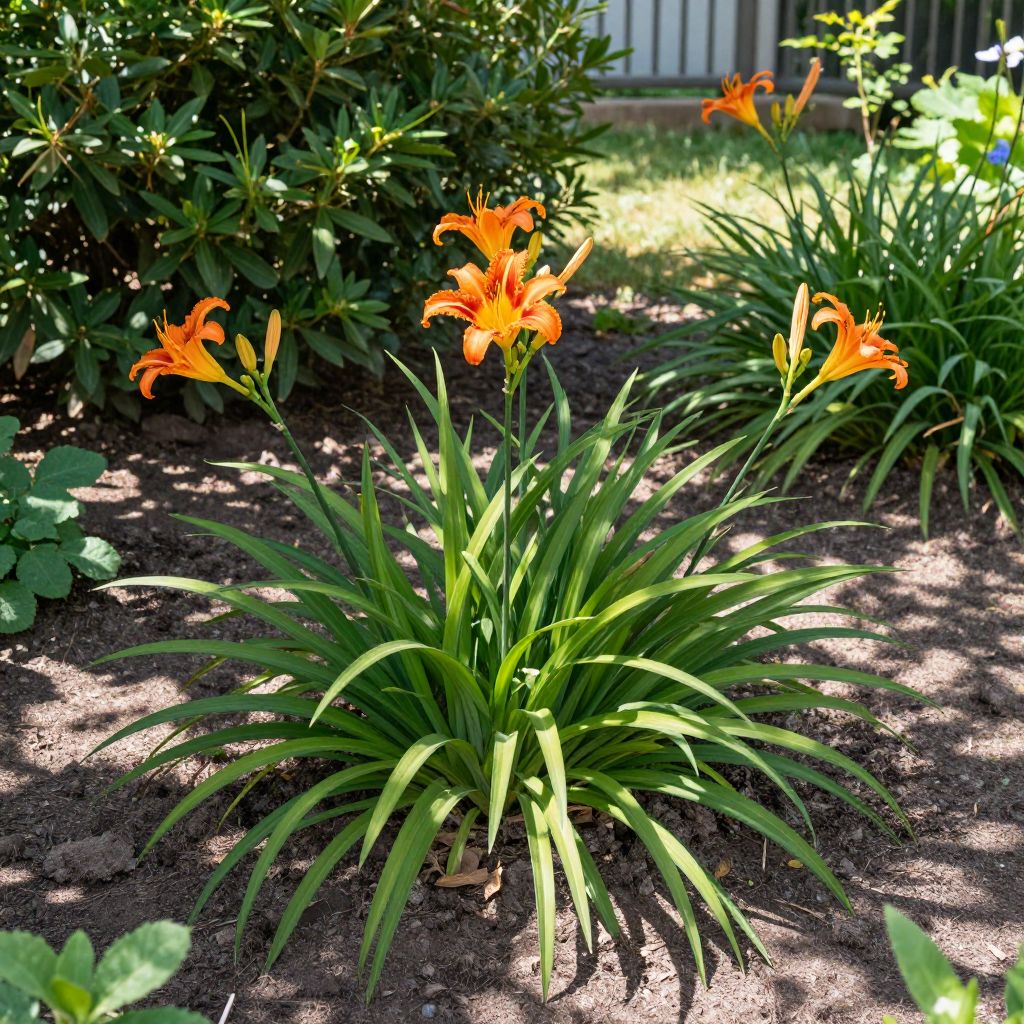
Do daylilies need full sun? In most gardens, daylilies bloom best with at least 6 hours of direct sun, but they can also grow and flower in partial sun. The amount of light they need depends on your climate, how much heat the site gets, and the variety you’re growing.
If your garden has bright shade or only morning sun, daylilies may still survive and even look healthy. The main trade-off is usually fewer flowers, weaker blooming, or leggier growth compared with plants grown in stronger light.
Do daylilies need full sun?
Daylilies do not strictly need full sun to live, but they usually perform best in full sun to light shade. Aim for 6 to 8 hours of direct sun for the strongest flowering. In hotter climates, a little afternoon shade can help flowers last longer and reduce stress.
How much sun daylilies really need
Daylilies are adaptable perennials, which is one reason they are so popular. They can tolerate a range of light conditions, but sunlight directly affects bloom count, flower size, and overall plant vigor.
Best light conditions
- Full sun: Best for maximum flowering in most regions.
- Partial sun: Often acceptable, especially if the plant gets morning sun.
- Light shade: Usually survivable, but blooming may be reduced.
If you are unsure how much sun a spot gets, watch it for a full day. A location with morning sun and some afternoon shade is often a good compromise, especially in hot summers.
What happens in too much shade?
Daylilies in too much shade often grow more leaves than flowers. You may notice:
- Fewer buds and shorter bloom periods
- Floppy or stretched foliage
- Thin clumps that do not fill out well
- Greater competition from nearby shrubs or trees
They can still be useful in partly shaded borders, but if flowering is your goal, more sun is usually better.
Can daylilies grow in partial shade?
Yes, daylilies can grow in partial shade, especially if they receive direct sun for part of the day. Morning sun is often more valuable than late-day shade because it dries dew from the foliage and supports good flowering without as much heat stress.
When partial shade works well
Partial shade is often a good fit when:
- You garden in a very hot climate
- The site gets strong afternoon heat
- Nearby trees cast only light, filtered shade
- You are growing daylilies more for foliage and massing than for peak bloom
In cooler climates, daylilies usually handle more sun and bloom more heavily. In hotter climates, some afternoon shade can improve flower quality and help the plants look fresher through summer.
How to choose the right planting spot
Picking the right location is one of the easiest ways to get better blooms. Daylilies prefer a site with good drainage, at least moderate sun, and enough room for the clump to expand over time.
- Check the sun pattern. Look for 6 or more hours of direct light if possible.
- Watch for drainage. Avoid spots that stay soggy after rain.
- Leave room for growth. Daylilies form clumps that spread with age.
- Consider nearby trees. Roots and shade from large trees can reduce performance.
If your only choice is a less sunny area, choose the brightest spot available rather than deep shade. Even a few extra hours of light can make a noticeable difference.
Soil, drainage, and compost for healthy daylilies
Sunlight matters, but soil conditions also affect how well daylilies grow. They like moderately fertile soil that drains well and does not stay waterlogged.
What daylilies prefer
- Loose to average garden soil
- Good drainage
- Organic matter mixed into the top layer
- Soil that stays evenly moist, not soggy
If your soil is heavy clay, work in compost to improve structure and drainage. If your soil is sandy, compost helps it hold moisture and nutrients a little longer.
A 2 to 3 inch layer of compost worked into the planting area is usually a practical improvement for many home gardens. Avoid burying the crown too deeply, because that can reduce flowering and encourage rot.
Watering daylilies in sun and shade
Daylilies are fairly tough once established, but they bloom better when they do not dry out for long periods. Plants in full sun usually need more frequent watering than those in partial shade.
Watering tips that help blooms
- Water deeply rather than giving frequent shallow sprinkles.
- Keep the soil evenly moist during active growth and bud formation.
- Mulch to slow moisture loss and reduce weed competition.
- Water at the base when possible to keep foliage drier.
Newly planted daylilies need closer attention until roots establish. Mature clumps can handle short dry spells, but prolonged drought may reduce bloom and make leaves look dull or stressed.
Pruning and deadheading for better appearance
Daylilies do not need complicated pruning, but a little cleanup keeps them looking good. Removing spent flowers and tired foliage improves the planting’s appearance and helps you spot problems early.
Simple maintenance tasks
- Pinch or snap off faded flowers if you want a tidier look.
- Cut back flower stalks after blooming is finished.
- Remove yellow or damaged leaves as needed.
- Trim the whole clump back in late season if foliage becomes ragged.
Do not cut healthy green leaves too early in the season. The foliage feeds the roots, which helps the plant store energy for future blooms.
Common problems when daylilies get too little sun
When daylilies are planted in too much shade, the problem is usually weak blooming rather than immediate plant failure. If your plant looks healthy but does not flower well, light is one of the first things to check.
Signs the plant needs more sun
- Very few flower stalks
- Open space between leaves and blooms
- Long, floppy foliage
- Flowers that open poorly or remain sparse
If possible, transplant the clump to a brighter location in the dormant season or divide and move part of it to a sunnier bed. If relocating is not practical, thin nearby shrubs or tree limbs to increase light.
Pests and diseases to watch for
Daylilies are generally easy-care, but crowded or stressed plants can run into a few issues. Good sunlight, spacing, and airflow help reduce many of them.
Common issues
- Thrips: Can scar buds and flowers, especially in dry weather.
- Spider mites: More likely in hot, dry conditions.
- Crown or root rot: Often linked to poor drainage or overly wet soil.
- Leaf streak or spotting: Can appear on older foliage, especially in humid weather.
To reduce problems, keep plants spaced well, remove old foliage, and avoid overhead watering late in the day. Healthy, well-sited daylilies usually recover better from minor pest pressure than stressed plants in deep shade or soggy soil.
Dividing and propagating daylilies
Over time, daylily clumps can become crowded. When flowering declines or the center of the clump looks tired, division can rejuvenate the plant and give you more room to grow.
When division helps
- The clump has become very large and crowded
- Blooming has dropped off
- The center looks thin or weak
- You want to move part of the plant to a sunnier spot
Divide daylilies when the plant is not under heat stress and can recover with regular moisture. Replant divisions in prepared soil at the same depth they were growing before. Water them in well and mulch lightly.
Best uses in the landscape
Daylilies work well in borders, mass plantings, foundation beds, and mixed perennial gardens. Their adaptability makes them useful in places where other flowering perennials may struggle.
Good placement ideas
- Sunny perennial borders
- Slopes that need erosion-resistant planting
- Mixed beds with shrubs and grasses
- Areas with morning sun and afternoon shade
In shadier spots, use daylilies where you want reliable foliage and occasional bloom rather than a heavy flower display. In brighter spots, they can become one of the strongest summer bloomers in the garden.
Quick answer: full sun or not?
Daylilies do best in full sun, but they do not require it to survive. If you can give them at least 6 hours of direct light, good drainage, and reasonable moisture, they should grow well and bloom generously. In hotter climates, a bit of afternoon shade can be an advantage.
If you are planning a new bed, start by choosing the brightest spot you have and improving the soil with compost. For more planting and perennial care ideas, you may also want to read how to plant perennials and best perennials for partial shade.