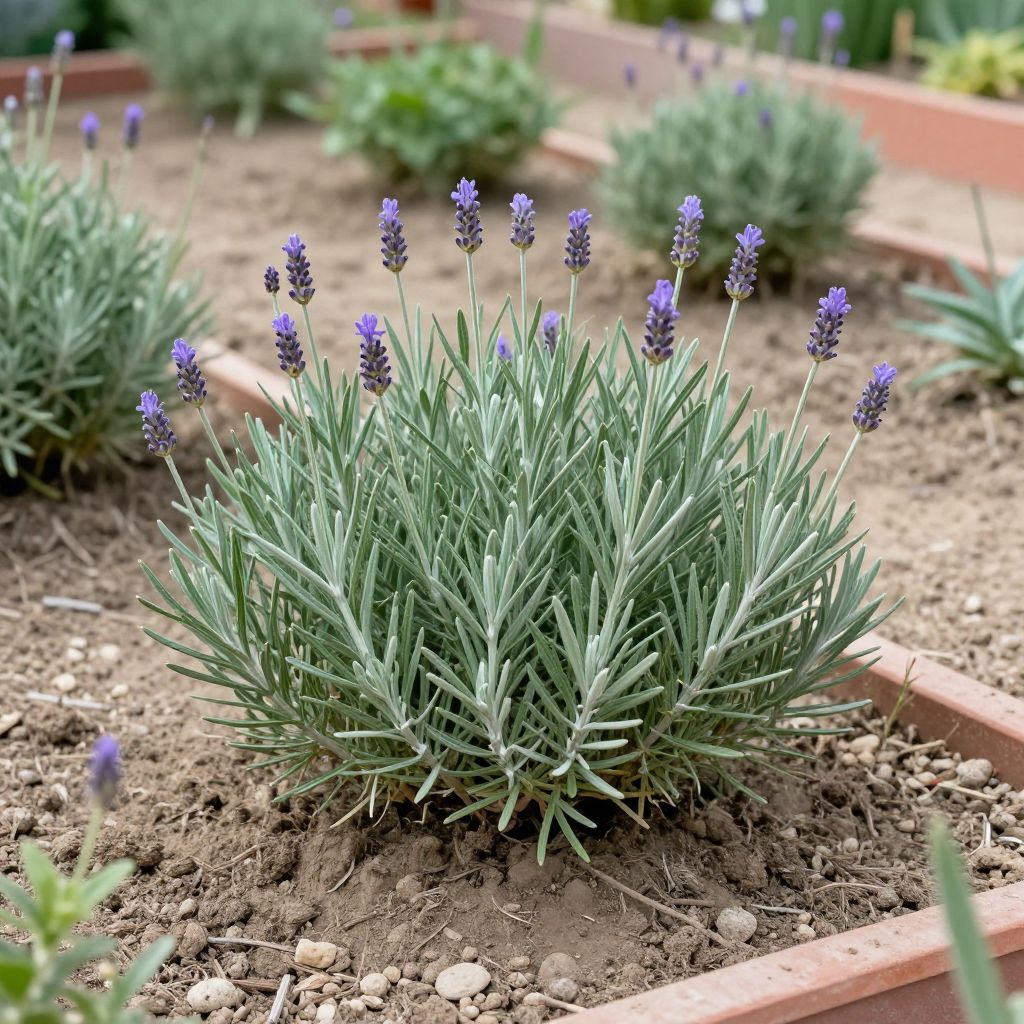
Does lavender grow back every year? In many gardens, yes—if the plant is suited to your climate and you give it the drainage, sun, and pruning it needs. Lavender is a woody perennial in the right conditions, but in cold, wet, or poorly drained sites it can decline or die back.
The key is understanding whether you’re growing a hardy lavender outdoors, a short-lived plant in a marginal climate, or a container plant that needs extra protection. With the right care, lavender can return for many seasons and become a reliable part of your garden.
Does lavender grow back every year?
Yes, lavender usually grows back every year in suitable climates because it is a perennial shrub, not an annual. The plant returns from its woody base and fresh stems each growing season, but only if it survives winter and avoids root rot, shade, and heavy pruning into old wood.
What determines whether lavender comes back?
Lavender’s return depends more on growing conditions than on wishful thinking. The most important factors are winter cold, soil drainage, sun exposure, and the age and health of the plant.
Climate and hardiness
Some lavender types are more cold-tolerant than others, but all lavender dislikes prolonged winter wet. In colder regions, plants may die back to the ground or fail to survive if temperatures drop below what the variety can handle.
If you garden in a borderline climate, choose a hardy type and plant it in the driest, sunniest spot you have. A plant that stays too wet through winter is often more likely to fail than one that simply faces cold.
Drainage is critical
Lavender roots need air. Heavy clay, compacted soil, or low spots that collect water can cause root rot, which is one of the main reasons lavender does not return.
Well-drained soil matters more than rich soil. Lavender generally prefers lean, gritty ground over fertile, moisture-holding beds.
Sunlight and airflow
Lavender needs full sun to stay compact and healthy. In too much shade, it becomes leggy, flowers poorly, and is more likely to weaken over time.
Good airflow also helps reduce fungal problems, especially in humid climates. Crowded plantings and damp corners are poor choices for long-term survival.
How to help lavender come back year after year
If you want lavender to return reliably, focus on planting it in the right place and maintaining it lightly rather than heavily. Lavender is low-maintenance once established, but it does have a few non-negotiables.
- Choose a sunny site. Aim for at least 6 to 8 hours of direct sun daily.
- Improve drainage. If your soil is heavy, plant in a raised bed, berm, or amended area that drains quickly.
- Avoid overwatering. Water young plants to establish them, then reduce watering once they are settled.
- Mulch carefully. Use a light, breathable mulch or gravel around the plant, keeping it away from the crown.
- Prune annually. Trim after flowering to keep the plant compact and reduce woody, weak growth.
Planting tips for better survival
When planting lavender outdoors, set it slightly above the surrounding soil if drainage is questionable. This helps water move away from the crown.
Mixing in coarse sand or gravel can help in some soils, but it is not a cure for badly draining clay. In very heavy soil, a raised bed is usually a better solution than trying to “fix” the whole area.
What happens to lavender in winter?
In winter, healthy lavender slows down and may look dormant, tired, or slightly woody. That does not always mean it is dead. New growth often appears in spring once temperatures warm and the soil dries out.
However, winter damage is common if the plant stays wet, experiences repeated freeze-thaw cycles, or is exposed to harsh winds without enough root protection. Container-grown lavender is especially vulnerable because pots freeze faster than garden soil.
How to tell if lavender is alive
If you are unsure whether your lavender will grow back, check the stems carefully in spring:
- Scratch a small section of stem bark with your fingernail.
- Green tissue underneath usually means the stem is still alive.
- Brittle, brown stems throughout the plant may indicate dieback.
- Look for new shoots at the base before removing the plant.
Be patient in early spring. Lavender can be slower to wake up than many perennials, especially after a cold winter.
Pruning lavender so it returns strongly
Pruning is one of the best ways to keep lavender coming back. The goal is to shape the plant and encourage fresh growth without cutting into old, leafless wood that may not resprout.
How to prune safely
After flowering, trim back the soft growth by about one-third, or just enough to keep the plant rounded and tidy. Avoid cutting deep into woody stems with no green growth.
Do not shear lavender into a bare stump. Many plants struggle to regrow from old wood, and severe pruning can shorten their life.
When to prune
In most climates, prune after the main bloom period. In colder regions, avoid late-season pruning that encourages tender new growth before frost. If your winters are mild, a light shaping cut is usually enough.
Watering and feeding: less is usually better
Lavender is drought-tolerant once established. Overwatering is a common mistake, especially in containers and in rich garden beds where moisture lingers.
Watering guidelines
Water newly planted lavender regularly until roots are established, then let the soil dry somewhat between waterings. Mature plants in the ground often need little supplemental water except during prolonged dry spells.
If the leaves yellow, growth stalls, or the base feels soft, check for excess moisture before assuming the plant is thirsty.
Fertilizer and compost
Lavender usually does not need heavy feeding. Too much nitrogen can produce lush foliage with fewer flowers and weaker stems.
- Use only a modest amount of compost at planting time if your soil is poor.
- Avoid rich, manure-heavy amendments that hold too much moisture.
- Skip frequent high-nitrogen feeding unless a soil test shows a clear need.
Common reasons lavender does not grow back
When lavender fails to return, the cause is usually environmental rather than mysterious. The most common problems are preventable with better site selection and care.
Root rot
Root rot happens when roots sit in wet soil for too long. Symptoms include wilting, yellowing, poor growth, and collapse even when the soil seems moist.
If you suspect root rot, improve drainage before replanting lavender in the same spot. Replanting the same way in the same soil often leads to the same result.
Winter kill
Cold damage can kill stems, roots, or both. Plants in exposed sites, low spots, or wet soil are most at risk.
Mulching lightly around the root zone can help in colder areas, but keep mulch away from the crown so trapped moisture does not cause rot.
Woodiness and age
Older lavender plants often become woody and less productive. They may still live, but flowering can decline and the center can become sparse.
At that stage, replacement is often better than trying to force an old plant to behave like a young one.
Can lavender grow back in containers?
Yes, lavender can come back in pots, but container plants need more attention than those in the ground. The main risks are winter freezing, poor drainage, and overwatering.
Container care tips
- Use a pot with drainage holes.
- Choose a gritty, fast-draining potting mix.
- Place the container in full sun.
- Water only when the top layer of mix has dried.
- Move pots to a sheltered spot in winter if your climate is cold.
If you overwinter lavender in a container, protect the pot from repeated freeze-thaw cycles. A pot can be wrapped, sunk into mulch, or moved to an unheated but bright shelter, depending on your climate.
Propagation if your lavender does not return
If an older plant fails, you can replace it or try propagating new plants from healthy growth. Softwood cuttings are a practical way to keep a favorite lavender going.
Simple propagation approach
Take cuttings from healthy, non-flowering stems in the active growing season. Use a clean knife or snips, remove lower leaves, and place the cutting in a light, well-draining medium.
Keep the medium lightly moist, not soggy. Excess moisture is the fastest way to lose cuttings.
Lavender care checklist for returning plants
If you want lavender to grow back every year, use this simple checklist:
- Plant in full sun.
- Use well-drained soil.
- Avoid heavy watering after establishment.
- Prune lightly after flowering.
- Protect container plants from winter extremes.
- Do not cut into bare old wood.
- Watch for root rot and winter damage.
Conclusion
Lavender can absolutely grow back every year, but only when its basic needs are met. Give it sun, sharp drainage, and light pruning, and it has a much better chance of returning season after season.
If you are planning new plantings, start by choosing the driest, sunniest spot in your garden and prepare the soil for drainage first. For more practical growing guidance, you may also want to read about how to prune lavender correctly and the best soil conditions for Mediterranean herbs.