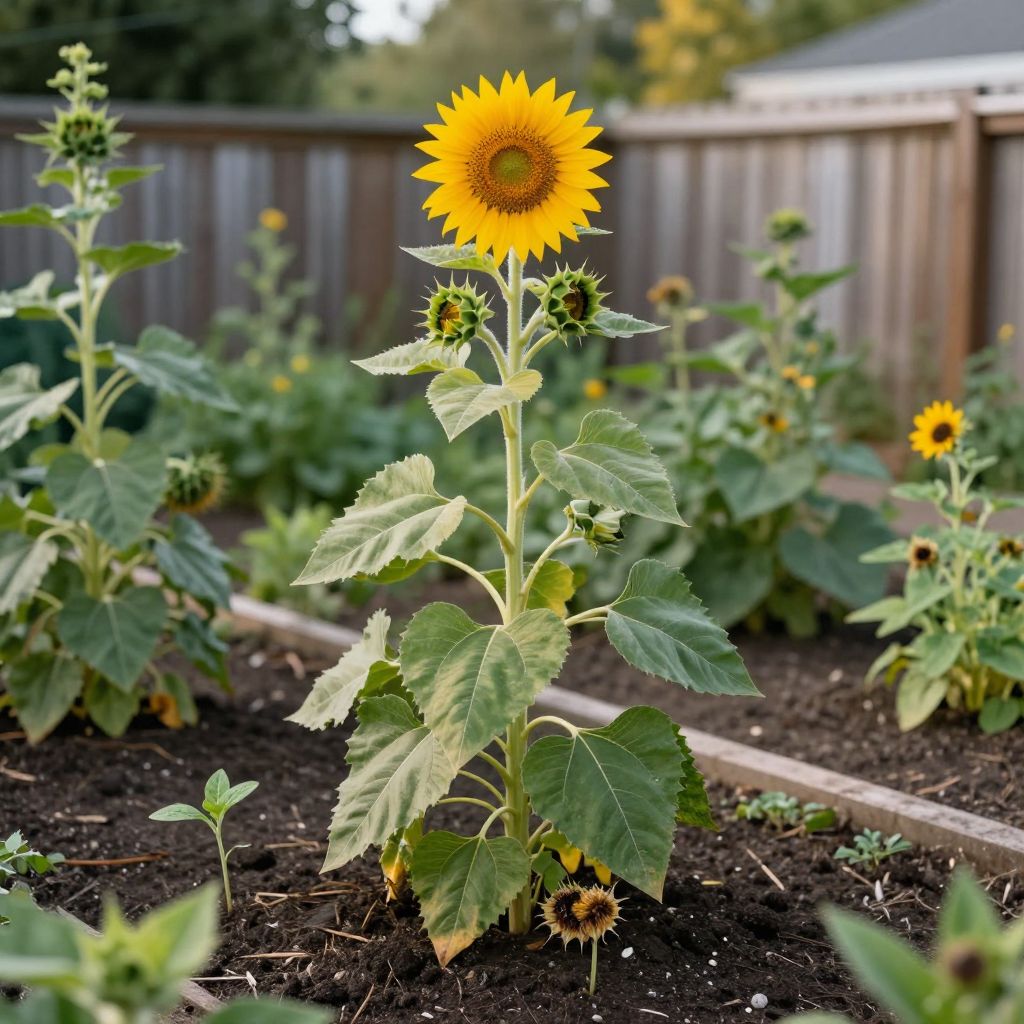
Do sunflowers come back every year? It depends on the type you planted. Most common garden sunflowers are annuals, which grow, bloom, set seed, and die in one season. Perennial sunflowers do exist, though, and they can return from roots year after year if they’re suited to your climate and growing conditions.
If you want sunflowers that reliably reappear, it helps to know which species you have and whether you’re expecting reseeding or true perennial regrowth. The good news is that both can give you a bright, easy-care display once you understand how they grow.
Do Sunflowers Come Back Every Year?
Most sunflowers do not come back every year because the familiar Helianthus annuus is an annual plant. It completes its life cycle in one growing season. Some perennial sunflower species, such as Helianthus maximiliani and Helianthus tuberosus, return from underground roots or tubers if they survive winter in your area.
Annual vs. Perennial Sunflowers
Knowing the difference helps you avoid disappointment and plan your garden correctly. Annual sunflowers are grown from seed each year, while perennial sunflowers come back from established root systems.
Annual sunflowers
- Usually the tall, single-stemmed sunflowers sold in seed packets.
- Flower once, then die after seed production.
- May self-seed if you leave mature heads in place.
Perennial sunflowers
- Return from roots, rhizomes, or tubers in suitable climates.
- Often form clumps and may spread over time.
- Can bloom for multiple years with the right care.
Important: if a sunflower comes back on its own, it may be a volunteer seedling rather than the original plant returning. That’s still useful, but it is not the same as perennial regrowth.
Which Sunflowers Are Most Likely to Return?
Some sunflower types are much better suited to returning than others. If you want a repeat display, choose a true perennial species rather than a standard annual variety.
Common perennial sunflower types
- Jerusalem artichoke (Helianthus tuberosus) — grown for edible tubers and yellow flowers; very vigorous.
- Maximilian sunflower (Helianthus maximiliani) — tall, late-blooming, and clump-forming.
- Swamp sunflower (Helianthus angustifolius) — good for moist sites in warmer regions.
- Wholeleaf sunflower (Helianthus laetiflorus) — a perennial garden type with bright blooms.
Availability varies by region, and hardiness depends on local winter conditions, soil drainage, and the exact species or cultivar. If you’re buying plants, check the label carefully rather than assuming every sunflower is perennial.
Why Most Garden Sunflowers Don’t Return
Annual sunflowers are designed by nature to grow fast, bloom heavily, and produce seed in one season. After flowering, the plant puts energy into seed maturation instead of long-term survival, so frost, heat stress, disease, or simple aging usually end the plant’s life.
That does not mean your sunflower patch is finished for good. If seed heads are left in place, birds may scatter seed, and some seeds can sprout the following spring where conditions are right.
How to Tell if Your Sunflower Will Come Back
You can usually tell by the growth habit and the plant label. If you’re unsure, look at how the sunflower grows through the season and what happens after flowering.
Clues you have an annual sunflower
- One main stem with a single large bloom or a few blooms.
- Grown from a packet labeled Helianthus annuus.
- Starts to yellow and decline after seed set.
Clues you have a perennial sunflower
- Produces clumps or multiple stems from the base.
- Returns from the same root area in spring.
- May spread outward over time.
If the plant dies back completely after frost but reappears from the same spot next season, that is a strong sign of perennial growth. If new seedlings appear nearby instead, you are likely seeing self-seeding.
How to Encourage Sunflowers to Return
If you want sunflowers year after year, you have two practical options: grow a perennial species or allow annuals to self-seed. Each approach works differently, and both benefit from good site preparation.
For perennial sunflowers
- Plant in full sun for the strongest stems and best flowering.
- Use well-drained soil so roots do not sit in winter wetness.
- Improve poor soil with compost before planting.
- Mulch lightly after planting to help moderate soil temperature.
- Cut back dead stems in late fall or early spring, depending on your climate and wildlife needs.
For self-seeding annual sunflowers
- Let a few flower heads mature fully on the plant.
- Allow seeds to drop naturally or collect and re-sow them.
- Leave some bare soil or lightly disturbed soil where seedlings can sprout.
- Avoid heavy mulching where you want volunteers to emerge.
Tip: self-seeded sunflowers may not look exactly like the parent plant, especially if you grew hybrid varieties. They can vary in height, color, and bloom size.
Best Growing Conditions for Healthy Sunflowers
Whether you grow annual or perennial sunflowers, good growing conditions make a big difference in how well they establish and whether they return. Sunflowers are generally easy, but they dislike poor drainage and deep shade.
Sunlight
Sunflowers need full sun, ideally at least 6 to 8 hours of direct light a day. In partial shade, they may grow leggy, flower less, and weaken over time.
Soil
Most sunflowers do best in moderately fertile soil that drains well. Heavy clay can be improved with compost, but avoid making the soil overly rich, which can encourage floppy stems in tall varieties.
Water
Water newly planted sunflowers regularly until established. After that, many types tolerate short dry periods, but they bloom best with consistent moisture during active growth. Deep watering is better than frequent shallow watering.
Drainage
Drainage matters most for perennial sunflowers and overwintering roots. If your soil stays soggy after rain, plant in raised beds or amend the area to improve drainage before planting.
Pruning, Cutting Back, and Winter Care
How you handle sunflowers after bloom affects whether perennial types survive and whether annual types self-seed. The right approach depends on your goal.
For annual sunflowers
- Deadhead if you want a tidier look and fewer seeds.
- Leave seed heads if you want birds to feed or want reseeding.
- Pull plants after frost once they have finished setting seed.
For perennial sunflowers
- Cut stems down after they die back, or leave them through winter if they provide structure or wildlife value.
- Apply mulch after the ground cools in colder climates to protect roots.
- Divide crowded clumps in spring if flowering declines.
In colder areas, perennial sunflowers may die back to the ground each winter and resprout in spring. That is normal. The key is protecting the root system, not expecting the top growth to stay green.
Common Problems That Prevent Sunflowers From Returning
Even perennial sunflowers may fail to come back if the site is wrong or the plants are stressed. Most problems are preventable with better placement and basic maintenance.
Winter wetness
Roots can rot in soggy soil, especially in cold weather. Improve drainage or move plants to a better site if the ground stays wet for long periods.
Too much shade
Low light weakens plants and reduces flowering. If nearby shrubs or trees have grown larger, your sunflowers may need more open space.
Overcrowding
Dense clumps compete for water and nutrients. Divide perennial types every few years if they become congested.
Pests and disease
Sunflowers can be affected by aphids, caterpillars, birds, mildew, rust, and stem rot. Healthy spacing, airflow, and clean garden hygiene help reduce these issues.
Propagation: How to Get More Sunflowers
If you want more sunflowers next year, seed is usually the simplest method. Perennial types can also be divided in some cases, depending on how they grow.
From seed
- Collect seeds from fully mature heads after they dry.
- Store them in a cool, dry place until sowing time.
- Sow outdoors when soil and weather are suitable for your region.
By division
Some perennial sunflowers can be divided in spring when new growth starts. Dig carefully, separate healthy sections with roots attached, and replant promptly in prepared soil.
Division is most useful for clumping perennial species. It is not the right method for standard annual sunflowers, which complete their life cycle in one season.
Should You Let Sunflowers Reseed?
Letting sunflowers reseed can be a simple way to keep them in the garden, but it is not always the best choice. Self-seeding works well in informal beds, wildlife gardens, and cottage-style plantings.
It may be less suitable if you want a very tidy border, if seedlings crowd out other plants, or if you grew a hybrid and want consistent results. In those cases, saving seed or replanting deliberately gives you more control.
Quick Answer: What to Expect Next Year
If you planted a common annual sunflower, do not expect the same plant to return. If you planted a perennial sunflower species, it may come back from the roots if winter conditions are suitable. If you leave mature seed heads, you may also get volunteer seedlings the following season.
The most reliable way to have sunflowers every year is to combine a sunny site, well-drained soil, and either perennial species or intentional reseeding. For more practical planting guidance, you may also find related gardening reading helpful through your favorite seed-saving and flower-border resources.