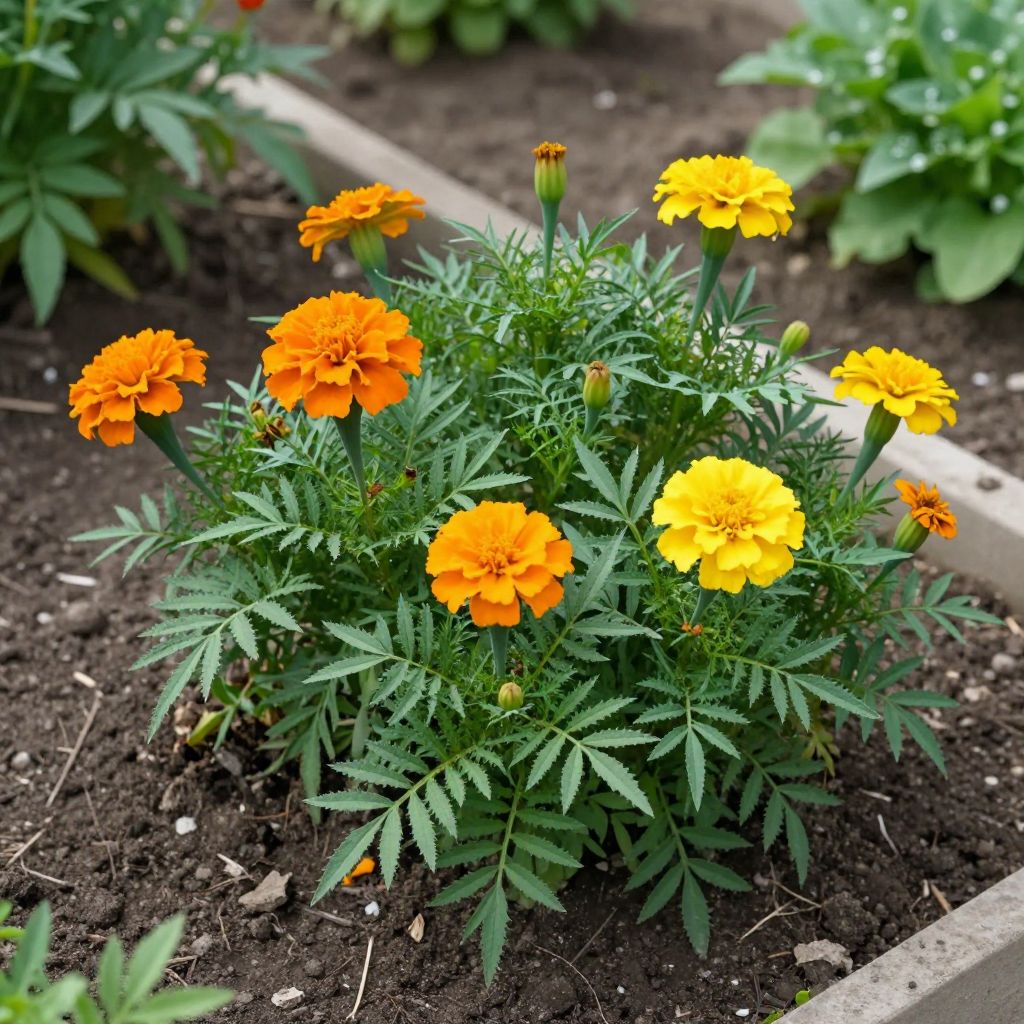
Are marigolds perennials or annuals? For most gardeners, the answer is simple: marigolds are usually grown as annuals. They bloom quickly, flower for a long season, and are often killed by frost before they can survive winter outdoors.
That said, the full answer depends on the type of marigold and your climate. Some marigolds are short-lived perennials in frost-free regions, while others are best treated as seasonal bedding plants almost everywhere.
Are marigolds perennials or annuals?
Most marigolds grown in home gardens are annuals, especially Tagetes types such as French marigolds, African marigolds, and signet marigolds. They complete their life cycle in one growing season. In warm, frost-free climates, a few may behave like short-lived perennials, but cold temperatures usually end them.
What kind of marigold do you have?
Knowing the type matters because “marigold” can refer to different plants. The most common garden marigolds are Tagetes species, but calendula is also sometimes called pot marigold and is a separate plant.
Common garden marigolds
- French marigold (Tagetes patula) — compact, bushy, and usually grown as an annual.
- African marigold (Tagetes erecta) — taller, larger-flowered, and also annual in most gardens.
- Signet marigold (Tagetes tenuifolia) — fine-textured foliage, smaller flowers, annual in most climates.
Pot marigold is different
Calendula officinalis is often called pot marigold, but it is not a true marigold in the Tagetes group. It is usually grown as a cool-season annual or short-lived perennial in mild climates.
Can marigolds come back every year?
They can, but only in the right conditions. In frost-free or very mild regions, some marigolds may reseed or survive longer than one season. In colder areas, the plants usually die after frost, though they may self-sow if seed heads are left in place.
Perennial behavior depends on climate
- Frost-free gardens: Marigolds may persist longer and sometimes act like tender perennials.
- Cold-winter gardens: They are treated as annuals because freezing temperatures damage or kill them.
- Self-seeding: Even when the original plant dies, new seedlings may appear the following season.
Why gardeners grow marigolds as annuals
Marigolds are popular because they grow fast, bloom heavily, and are easy to replace each year. You can sow them from seed, transplant young plants, and enjoy flowers for months with relatively little care.
Benefits of annual marigolds
- Fast bloom from seed or transplants
- Long flowering season in full sun
- Useful for borders, containers, and vegetable gardens
- Easy to refresh each year with new colors and sizes
How to grow marigolds successfully
Whether you treat them as annuals or short-lived perennials, marigolds do best with warmth, sun, and well-drained soil. They are forgiving plants, but they flower best when their basic needs are met.
Sunlight
Give marigolds full sun for the best bloom. They can tolerate light afternoon shade in hot climates, but too much shade leads to fewer flowers and leggier growth.
Soil and drainage
Marigolds prefer soil that drains well and is not overly rich. Heavy, waterlogged soil can lead to weak roots and disease problems. If your soil is dense clay, mix in compost to improve structure, but avoid making it overly fertile.
Watering
Water young plants regularly until they establish, then water deeply when the top layer of soil begins to dry. Marigolds dislike constantly wet soil, so let the soil dry slightly between waterings.
Fertilizer
Too much nitrogen can produce lush leaves and fewer flowers. If your soil is average, you may only need a light compost dressing or a balanced, mild fertilizer at planting time.
Planting marigolds outdoors
Marigolds are easy to plant from nursery starts or seed. The best method depends on your climate and how early you want blooms.
Starting from seed
- Sow seeds after the danger of frost has passed and the soil has warmed.
- Plant seeds about 1/4 inch deep.
- Keep the soil lightly moist until seedlings appear.
- Thin seedlings so each plant has room to grow.
Transplanting seedlings
- Harden off seedlings by gradually exposing them to outdoor conditions.
- Plant in a sunny spot with well-drained soil.
- Water in well after planting.
- Mulch lightly if your climate is hot and dry, but keep mulch away from the stems.
Spacing
Spacing depends on the variety, but many marigolds do well when planted about 8 to 12 inches apart for smaller types and 12 to 18 inches apart for larger types. Give taller varieties enough air circulation to reduce disease risk.
How to keep marigolds blooming longer
Marigolds flower best when you remove spent blooms and avoid stress from drought or crowding. A little routine maintenance can extend the display for weeks.
Deadheading
Pinch or snip off faded flowers regularly. This helps the plant redirect energy into making more buds instead of seed.
Light pruning
If plants become tall and floppy, trim them back lightly to encourage bushier growth. Avoid cutting into old woody stems on very mature plants, but most garden marigolds respond well to shaping.
Watch for heat stress
In very hot weather, some marigolds slow down or look tired. Consistent watering and a bit of afternoon shade can help them keep flowering longer in hot climates.
Common marigold problems and fixes
Marigolds are generally tough, but they can still run into a few issues. Most problems come from too much water, poor airflow, or pest pressure.
Yellowing leaves
Yellow leaves may mean overwatering, poor drainage, or nutrient imbalance. Check the soil first. If it stays soggy, improve drainage before adding fertilizer.
Few flowers
Too much shade, too much nitrogen, or overcrowding can reduce blooming. Move plants to a sunnier spot, reduce feeding, and thin crowded beds.
Powdery mildew and leaf spots
These fungal problems are more likely when plants are crowded or watered from overhead. Water at the base, space plants well, and remove badly affected foliage.
Pests
- Aphids: Often cluster on new growth; wash them off with a strong stream of water.
- Spider mites: More common in hot, dry conditions; keep plants evenly watered.
- Slugs and snails: Can damage young seedlings in damp gardens; protect new plants early.
Can you overwinter marigolds?
In most climates, not outdoors. Marigolds are tender and usually do not survive frost. If you live in a warm region without freezing temperatures, some plants may continue longer, but they often decline after extended heat, age, or disease pressure.
Indoor overwintering
You can try bringing a healthy plant indoors before frost, but marigolds are not ideal houseplants. They need strong light and good airflow, and they may still fade over winter. If you want to try, use a bright window or grow light and keep watering modest.
Better way to save marigolds
For most gardeners, saving seed is easier than overwintering plants. Collecting seed lets you grow the same type again next season without relying on the old plant to survive.
How to save marigold seed
Seed saving is simple and works well if you want to grow marigolds again next year. Let a few flowers dry on the plant, then harvest the seed heads when they turn brown and papery.
- Choose healthy, fully matured flowers.
- Let the flower heads dry on the plant as much as possible.
- Remove the dried petals and collect the long, slender seeds.
- Store seeds in a cool, dry place in a labeled envelope or container.
Best uses for marigolds in the garden
Marigolds are useful in many parts of the landscape because they are colorful, compact, and easy to tuck into gaps. They work especially well in seasonal plantings.
- Border edging: Compact varieties brighten paths and bed edges.
- Containers: They perform well in pots with good drainage.
- Vegetable gardens: They add color between crops and attract pollinators.
- Mass plantings: Repeated groups create a strong seasonal display.
Simple care checklist for healthy marigolds
- Plant in full sun.
- Use well-drained soil.
- Water when the soil begins to dry.
- Avoid heavy nitrogen feeding.
- Deadhead faded flowers regularly.
- Give plants enough space for airflow.
- Watch for frost if you want them to last through the season.
Conclusion
So, are marigolds perennials or annuals? In most gardens, they are annuals, especially the common Tagetes types. If you want the best results, grow them in sun, keep the soil well drained, and deadhead often for longer bloom. If you enjoy them, save seed at the end of the season so you can plant them again next year.
If you want to keep building your seasonal flower beds, it can help to read more about how to deadhead flowers for longer bloom and choosing the best annuals for full sun.