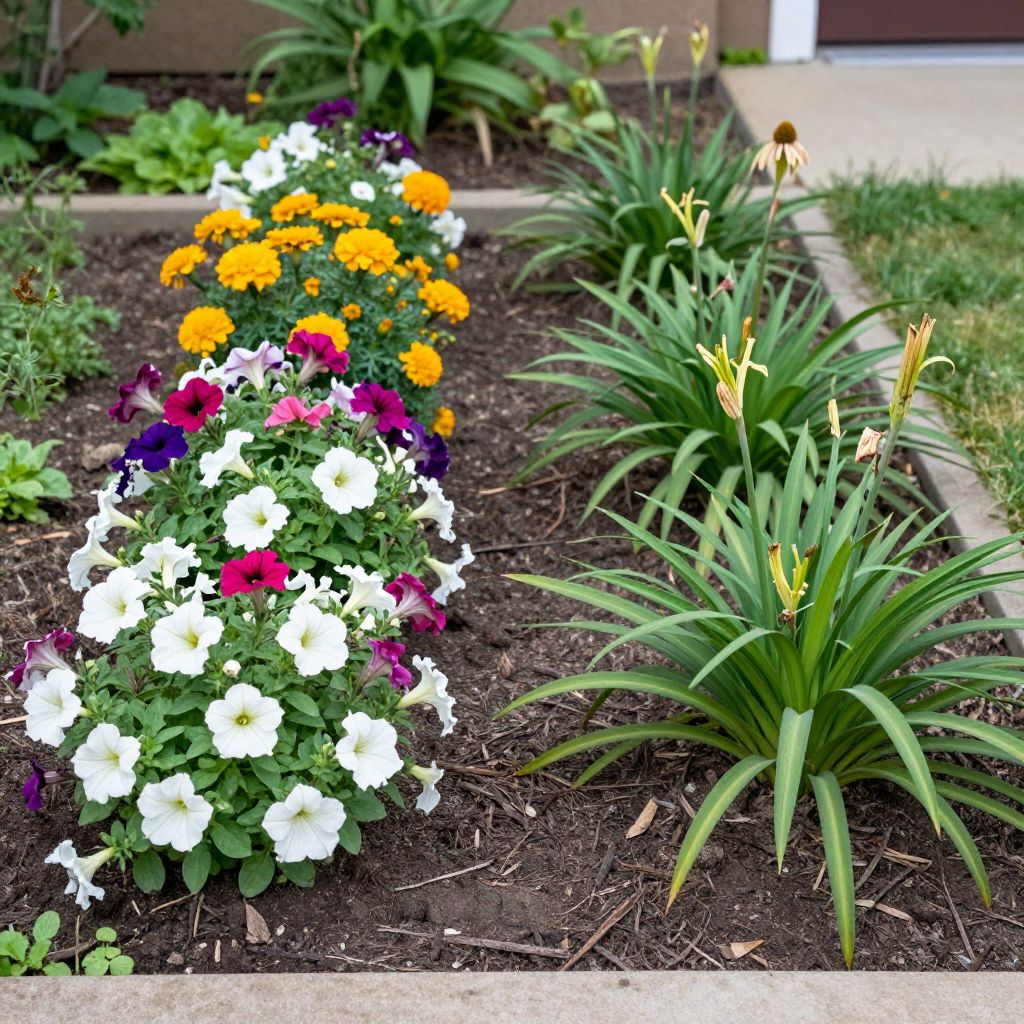
Do annuals or perennials come back every year? The short answer is that perennials return for multiple seasons, while annuals complete their life cycle in one growing season and then die. The trick is that climate, winter cold, and plant type all affect what “comes back” in your garden.
If you know the difference before you plant, you can avoid disappointment and build a garden that fits your local conditions. Some plants act like annuals in cold climates but behave like perennials in warm ones, so it helps to match the plant to your region and your expectations.
Do annuals or perennials come back every year?
Perennials come back every year if they survive your winter conditions, while annuals do not. Annuals grow, flower, set seed, and die in one season. Perennials live for several years and return from roots, crowns, bulbs, rhizomes, or woody stems, though they may die back above ground in winter.
What is the difference between annuals and perennials?
The main difference is lifespan. Annuals finish their entire life cycle in a single season, while perennials persist year after year and usually need less replanting once established.
Annuals
- Complete germination, growth, flowering, seed production, and death in one year or less.
- Often provide long bloom periods and fast color.
- Must be replanted each season unless they self-seed.
Perennials
- Live for more than two years.
- May die back in winter and regrow from underground structures.
- Often need a season or two to fully establish before reaching peak performance.
Biennials: the middle category
Some plants are biennials, meaning they usually grow foliage the first year and flower the second year before dying. Parsley, foxglove, and some carrots fit this pattern, though growing conditions can shift their timing.
Why some plants come back and others don’t
Whether a plant returns depends on its natural growth habit and whether it can survive your winter, summer heat, moisture levels, and soil conditions. A perennial that thrives in one region may fail in another if temperatures, drainage, or humidity are wrong.
Climate matters more than the label
A plant sold as a perennial may act like an annual in a colder climate. For example, tender plants that survive year-round in frost-free areas may be killed by freezing temperatures elsewhere.
Plant parts that survive dormancy
Perennials usually return because protected parts survive underground or close to the soil surface. These include:
- Roots
- Crowns
- Bulbs
- Tubers
- Rhizomes
- Woody stems on shrubs and subshrubs
How to tell if a plant will return in your garden
Start by checking the plant tag, seed packet, or nursery label for its growth habit and hardiness information. Then compare that with your local winter lows, summer heat, and growing season length.
- Read the plant label carefully. Look for “annual,” “perennial,” or “hardy perennial.”
- Check your climate. A plant may be perennial only in certain zones or regions.
- Consider your site. Poor drainage, heavy shade, or intense heat can shorten a plant’s life.
- Think about winter protection. Mulch, snow cover, and sheltered planting spots can help some perennials survive.
- Watch how the plant behaves. If it disappears in winter but regrows in spring, it is likely a perennial with dieback.
Do annuals ever come back on their own?
Most true annuals do not come back from the same plant, but some will self-seed if conditions are right. That means new seedlings may appear the next year, giving the impression that the original plant returned.
Self-seeding annuals
Plants like calendula, cosmos, zinnia, and poppy may drop seed and reappear in later seasons. This is not the same as the original plant surviving, but it can still give you repeat blooms with little effort.
To encourage self-seeding, leave some flowers to mature and set seed. To prevent unwanted spread, deadhead spent blooms before seeds ripen.
How to help perennials come back strong
Perennials are not “plant it and forget it” plants. Good care during the growing season helps them store energy for winter and return more reliably next year.
Plant in the right place
- Match sun exposure to the plant’s needs.
- Use well-drained soil for species that dislike wet feet.
- Give large perennials enough room to mature without crowding.
Many perennial failures happen because the plant was placed in the wrong spot, not because it was inherently short-lived.
Improve soil before planting
Most garden perennials perform best in soil that drains well but still holds some moisture. Mixing in compost can improve soil structure, especially in heavy clay or very sandy ground.
Avoid burying crowns too deeply. Planting too deep can lead to rot, weak growth, or poor winter survival.
Water wisely during the first season
Newly planted perennials need consistent moisture while roots establish. After that, many can handle short dry periods better than annual bedding plants, though drought tolerance varies widely by species.
Water deeply when the top few inches of soil dry out, rather than giving shallow daily sprinklings. Deep watering encourages roots to grow downward.
Mulch at the right time
A 2- to 3-inch layer of organic mulch can help moderate soil temperature, conserve moisture, and reduce weeds. Keep mulch a little away from crowns and stems to prevent rot.
In colder climates, mulch can also help protect roots from freeze-thaw cycles. In warm, wet climates, too much mulch around the crown can trap moisture and create problems.
Seasonal care tips for annuals and perennials
Good seasonal care helps you get the most from both plant types. Annuals usually need more frequent attention, while perennials benefit from maintenance that supports long-term survival.
Spring
- Remove winter-damaged stems from perennials once new growth starts.
- Check for heaving, where frost pushes plants partly out of the soil.
- Plant annuals after frost danger has passed in your area.
Summer
- Deadhead annuals and many flowering perennials to encourage more blooms.
- Water during dry spells, especially for container plants.
- Watch for powdery mildew, aphids, slugs, and other common pests.
Fall
- Let hardy perennials slow down naturally before cutting them back.
- Divide overcrowded perennials if needed, depending on species and timing.
- Remove dead annuals and compost healthy plant material.
Winter
- Leave some ornamental seed heads if they provide winter interest and wildlife value.
- Protect tender perennials in exposed sites with mulch or wind shelter.
- Keep an eye on drainage, since winter wet can be as damaging as cold.
Common mistakes that keep plants from returning
Even true perennials may fail to come back if they are stressed too much. The most common problems are usually related to planting conditions and maintenance, not bad luck.
- Planting in soggy soil. Many perennials rot if roots stay wet for long periods.
- Choosing the wrong climate match. A plant may not survive your winter lows.
- Cutting back too early. Some perennials need their foliage to store energy before dormancy.
- Overfertilizing. Too much nitrogen can produce soft growth that is more vulnerable to cold and disease.
- Ignoring spacing. Crowded plants compete for light, water, and airflow.
How to troubleshoot a perennial that didn’t return
If a perennial fails to reappear in spring, don’t assume it is dead immediately. Some plants emerge late, especially after a cold winter or a slow spring.
Check for signs of life
- Scratch a small area of stem or crown to see if tissue is green underneath.
- Look for new shoots at the base.
- Gently inspect the root zone for firmness rather than complete mushiness.
If the plant is soft, blackened, or hollow, it may have rotted or frozen out. If it is still firm but dormant, give it a little more time before replacing it.
Consider the cause
Ask yourself whether the plant had enough sun, whether the soil drained well, and whether it was suited to your winter temperatures. That information will help you decide whether to replant the same species or choose a hardier alternative.
Can you grow annuals and perennials together?
Yes, and this is one of the best ways to keep a garden looking full through the season. Annuals provide fast color while perennials build the long-term structure of the bed.
Use annuals to fill gaps while young perennials are still establishing. Once the perennials mature, you can reduce the number of annuals or keep using them as seasonal accents.
A practical planting strategy
- Place perennials first for height, form, and repeat structure.
- Use annuals in front or between them for extra color.
- Choose annuals with similar sun and water needs so care stays simple.
What to remember before you buy plants
If you want a plant to come back every year, read beyond the flower color and focus on its growth habit, hardiness, and site needs. A beautiful plant that cannot handle your climate will behave like a short-term guest, not a lasting part of the garden.
Bottom line: annuals do not return from the same plant, but perennials do if they survive your conditions. Choose the right plant for your climate, give it proper soil and drainage, and it will have a much better chance of coming back year after year.
If you want to plan a longer-lasting garden, it can also help to read more about how to choose the right plants for your garden conditions and simple perennial care tips for healthier blooms.